





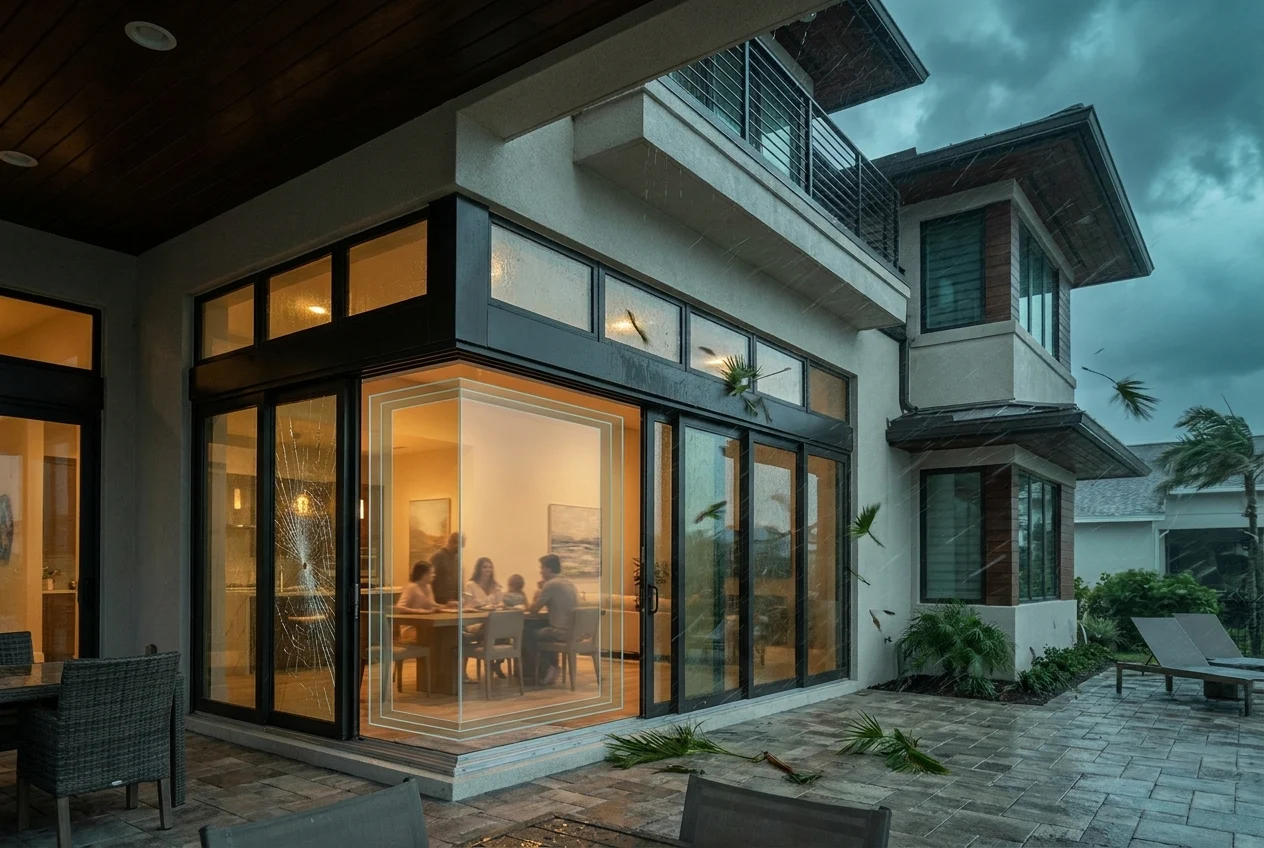
Coastal Florida storms can expose a home to wind driven rain, airborne debris, rapid pressure changes, and rising water at the same time. Impact windows are designed to strengthen one of the building envelope’s most vulnerable areas, offering benefits that extend beyond preventing shattered glass.
Their performance is especially valuable during hurricanes and severe tropical weather, but it is important to understand what these windows can and cannot do. Properly tested and installed impact windows can help keep the building envelope intact, limit interior damage, and reduce the hazards associated with broken openings, although they do not make a home floodproof.
Why Protecting the Building Envelope Matters
A window failure during a storm is more serious than a cracked pane. If wind or debris creates an open hole, outside air can rush into the home and increase internal pressure. That pressure may place additional stress on the roof, walls, doors, and other windows, raising the risk of broader structural damage.
Impact windows use laminated glass and reinforced framing systems engineered to resist wind pressure and impacts from flying debris. The glass may crack after a severe strike, but its interlayer is intended to help hold the fragments together and keep the opening covered.
Resistance to Wind Driven Rain
Heavy rain in coastal Florida rarely falls straight down during a tropical storm or hurricane. Powerful gusts can force water against window frames, seals, joints, and drainage paths.
No window should be described as completely waterproof under every storm condition. Water resistance depends on the product’s tested rating, the condition of its seals, the quality of installation, and the pressure created by the storm.
How Impact Windows Help During Storm Surge Conditions
Storm surge creates a different hazard from wind driven rain. It occurs when coastal water is pushed inland and rises above normally dry ground, potentially surrounding or entering buildings.
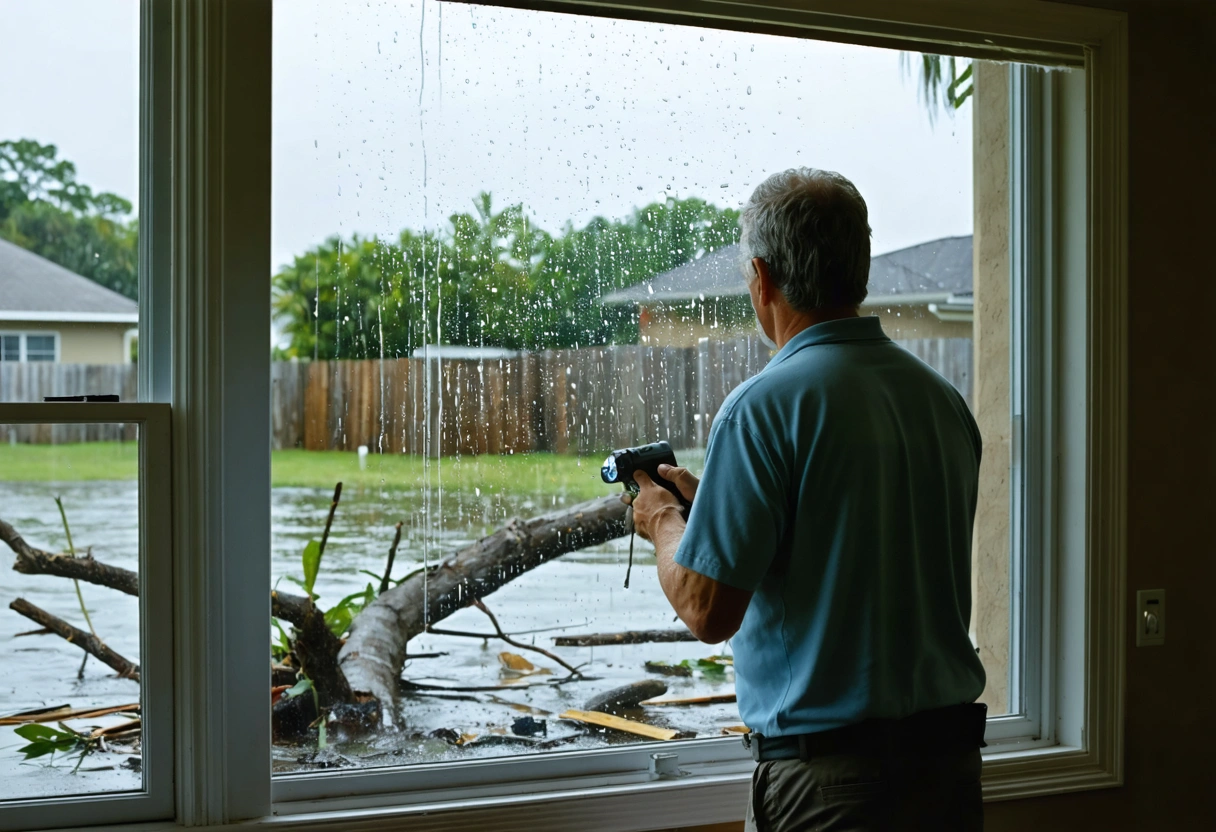
The practical benefit during surge conditions is protection against objects that strike the home before or as water rises. Branches, roof materials, patio furniture, and construction debris can break ordinary glass, leaving a wide opening for wind, rain, and contaminated floodwater.
Performance Depends on the Complete Window System
Impact resistance involves more than the glass itself. The frame, fasteners, anchors, sealants, and surrounding wall connection must work together as a tested system. A strong pane installed in a weak frame, or a rated window attached incorrectly, may not deliver the protection indicated by its product approval.
Florida homeowners should consider the window’s design pressure rating, impact classification, opening size, building height, and exposure to coastal winds. Local code requirements and approved installation methods can vary by location, particularly in areas subject to higher hurricane risk.
Safety Benefits When Glass Is Struck
One of the clearest advantages of impact windows is the way laminated glass responds to breakage. Standard glass can shatter into loose pieces that enter living spaces or scatter across floors.
This does not mean the glass will remain unmarked. A branch or piece of construction material may create cracks across the pane, but the damaged glass can continue covering the opening.
Reduced Need for Last Minute Window Covering
Permanently installed impact windows eliminate much of the work associated with attaching plywood or deploying removable panels before a storm. This can be particularly valuable for older residents, seasonal homeowners, people with limited mobility, and households that must prepare several openings on short notice.
Impact windows should still be inspected before severe weather. Locks should engage correctly, tracks should be clear, and operable units should close completely. Homeowners should also secure exterior furniture, grills, planters, tools, and decorations because impact resistance does not make nearby objects safe to leave unsecured.
Potential Reduction in Interior Storm Damage
When a window remains closed and anchored, it can help keep wind and rain away from flooring, drywall, furniture, electrical equipment, and personal belongings. Preventing or limiting an opening may also reduce the amount of humid air and salt laden moisture entering the home.
This protection can affect the scale of cleanup after a storm. A cracked laminated pane that remains in place may require window replacement, but the surrounding room could avoid the extensive water damage that often follows a fully breached opening.
Protection During Repeated Gusts
Hurricane winds are not a single event. Windows may experience changing pressure, suction, vibration, and repeated debris impacts over several hours. Approved impact window assemblies are tested for impact and pressure cycling to evaluate how the system performs under demanding conditions.
Testing does not guarantee that a product will survive every hurricane without damage. It does provide a meaningful basis for comparing products and selecting an assembly suited to the pressures expected at a specific property.
Everyday Benefits Outside Hurricane Season
The laminated construction and tighter assemblies used in many impact window systems can provide benefits throughout the year. These advantages vary by product, glazing package, frame material, and installation quality, so homeowners should review documented performance rather than relying on general claims.
Noise Reduction
Laminated glass can reduce some exterior sound transmission, including traffic, aircraft, landscaping equipment, and neighborhood activity. The improvement is often noticeable when older single pane windows are replaced, although impact resistance and sound control are measured separately.
Protection From Ultraviolet Exposure
Many laminated glass interlayers block a substantial portion of ultraviolet radiation. This can help slow fading and deterioration of flooring, furniture, curtains, artwork, and other interior materials.
Energy Performance
Modern impact windows may include insulated glass, low emissivity coatings, warm edge spacers, and frames designed to reduce heat transfer. These features can improve indoor comfort and reduce cooling demand compared with old, damaged, or poorly sealed windows.

Impact certification alone does not establish energy efficiency. Homeowners should compare solar heat gain, insulating value, air leakage, and other energy ratings when choosing between products.
Security and Forced Entry Resistance
Laminated glass is more difficult to create a quick opening through than ordinary annealed glass. Even after cracking, the interlayer can remain attached and resist immediate penetration.
Important Limitations Homeowners Should Understand
Impact windows reduce specific storm risks, but they cannot compensate for weaknesses elsewhere in the home. A damaged roof, failed garage door, unprotected entry door, leaking wall connection, or poorly sealed opening can still allow major wind and water damage.
They also do not replace evacuation. If local authorities issue an evacuation order because of storm surge, flooding, or another life safety threat, occupants should follow that guidance.
Floodwater Can Exceed Window Design Assumptions
Rising water creates sustained pressure that increases with depth. It may also carry vehicles, lumber, sediment, and other heavy objects. Standard impact windows are generally evaluated for wind pressure and airborne debris, not prolonged hydrostatic loads or floodborne impacts.
A lower level window can therefore fail, leak, or be displaced during severe inundation even if it is properly rated for hurricane winds. Homes exposed to storm surge require broader flood risk planning that may include elevation, flood resistant materials, protected utilities, appropriate drainage, and evacuation preparation.
Cracked Impact Glass Still Requires Replacement
A pane that stays together after a strike has performed an important safety function, but it may no longer provide its original structural, moisture, or energy performance.
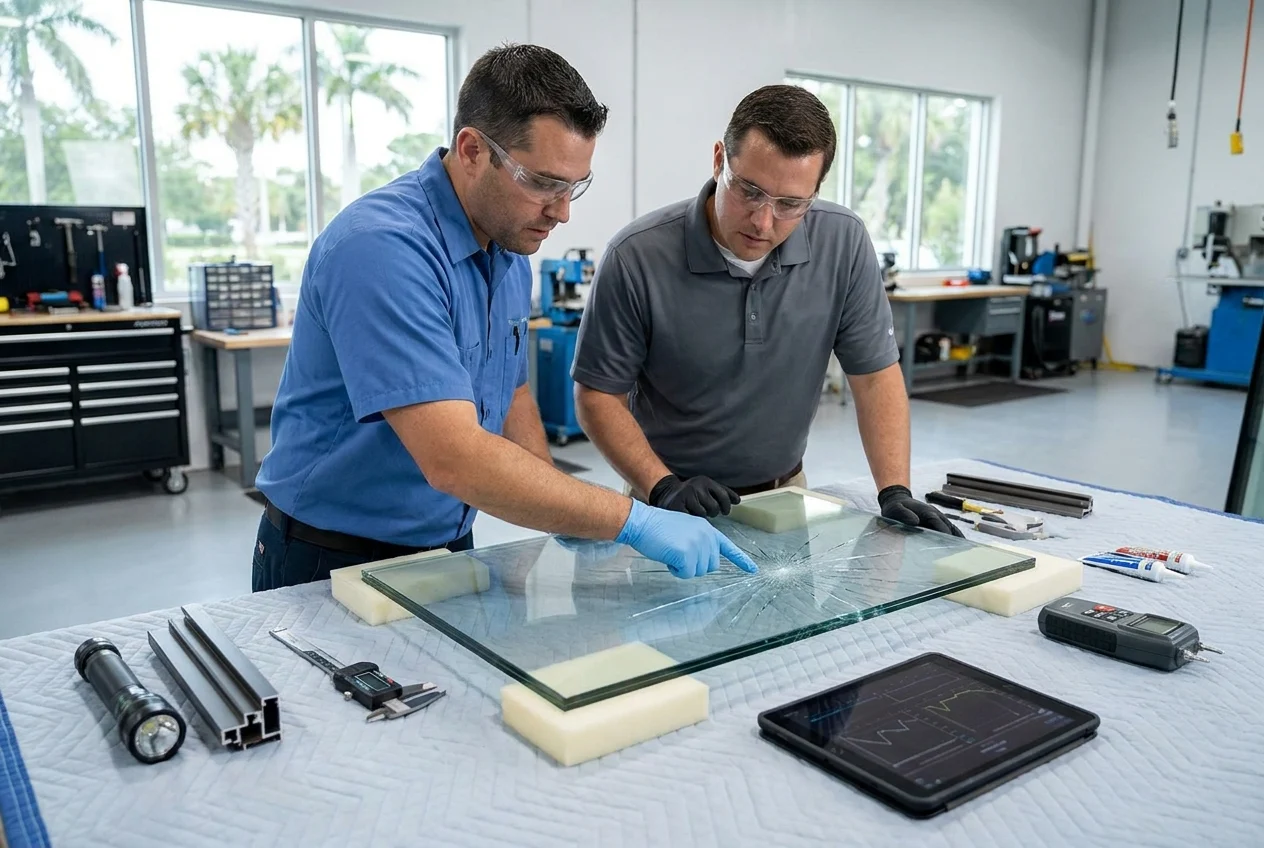
Homeowners should photograph damage before temporary work begins and avoid pushing on cracked panes. Repairs should preserve the approved assembly rather than substituting incompatible glass, sealant, or hardware.
Choosing an Appropriate Impact Window System
Product selection should begin with the requirements for the property, not appearance alone. The correct design pressure can differ between openings on the same building because pressure varies with opening size, location, height, roof shape, and exposure.
Buyers should confirm that the complete product is approved for its intended use and that the approval covers the selected dimensions, frame type, glass configuration, and installation method.
Large Missile and Small Missile Impact Ratings
Impact classifications reflect different test conditions. Large missile testing is commonly associated with lower building areas where larger debris may strike. Small missile testing addresses smaller projectiles that can affect higher elevations.
A homeowner should not assume that any product marketed as hurricane glass is suitable for every opening. A contractor or design professional familiar with Florida product approvals can help verify the correct classification and pressure rating.
Frame Materials and Coastal Exposure
Aluminum, vinyl, fiberglass, and other frame systems each have different characteristics. In coastal areas, corrosion resistance is especially important because salt air can affect fasteners, hardware, finishes, and exposed metal components.
Product care instructions may call for periodic fresh water rinsing, cleaning of drainage openings, and inspection of hardware. Harsh chemicals, abrasive tools, and unapproved lubricants can damage finishes or seals and should be avoided.
Installation Quality Can Determine Real World Performance
Even a properly rated window depends on correct attachment to the structure. Installers must follow approved requirements for anchor type, spacing, embedment, edge distance, shimming, flashing, and sealant placement.
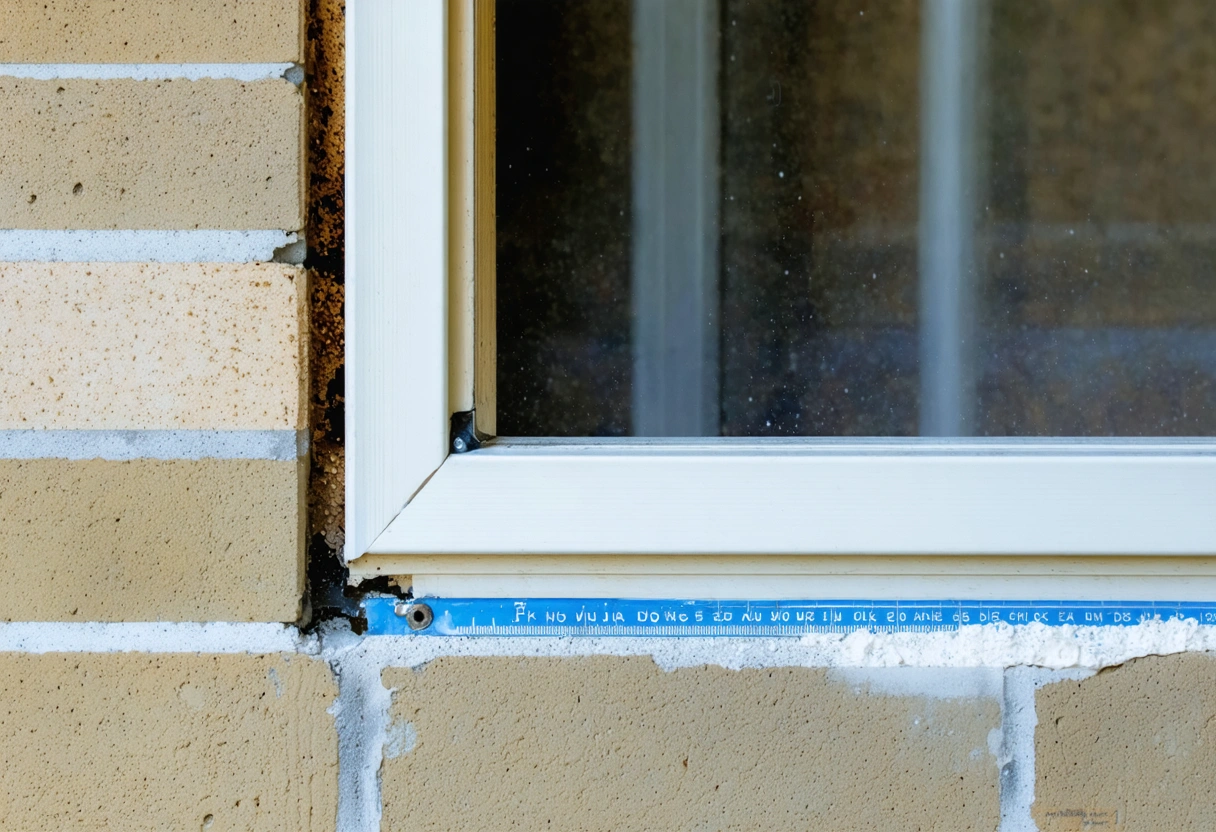
Water management is equally important. Exterior sealant alone should not be treated as the entire drainage strategy. Flashing, sill preparation, weep systems, and surrounding finishes must direct incidental water away from the wall cavity and interior.
Permits and Final Inspection
Window replacement often requires permits and inspections to confirm that the approved products and installation methods meet applicable codes. Homeowners should retain permits, product approvals, contracts, photographs, and inspection records for insurance, warranty, and future resale purposes.
Maintenance Before and After Severe Weather
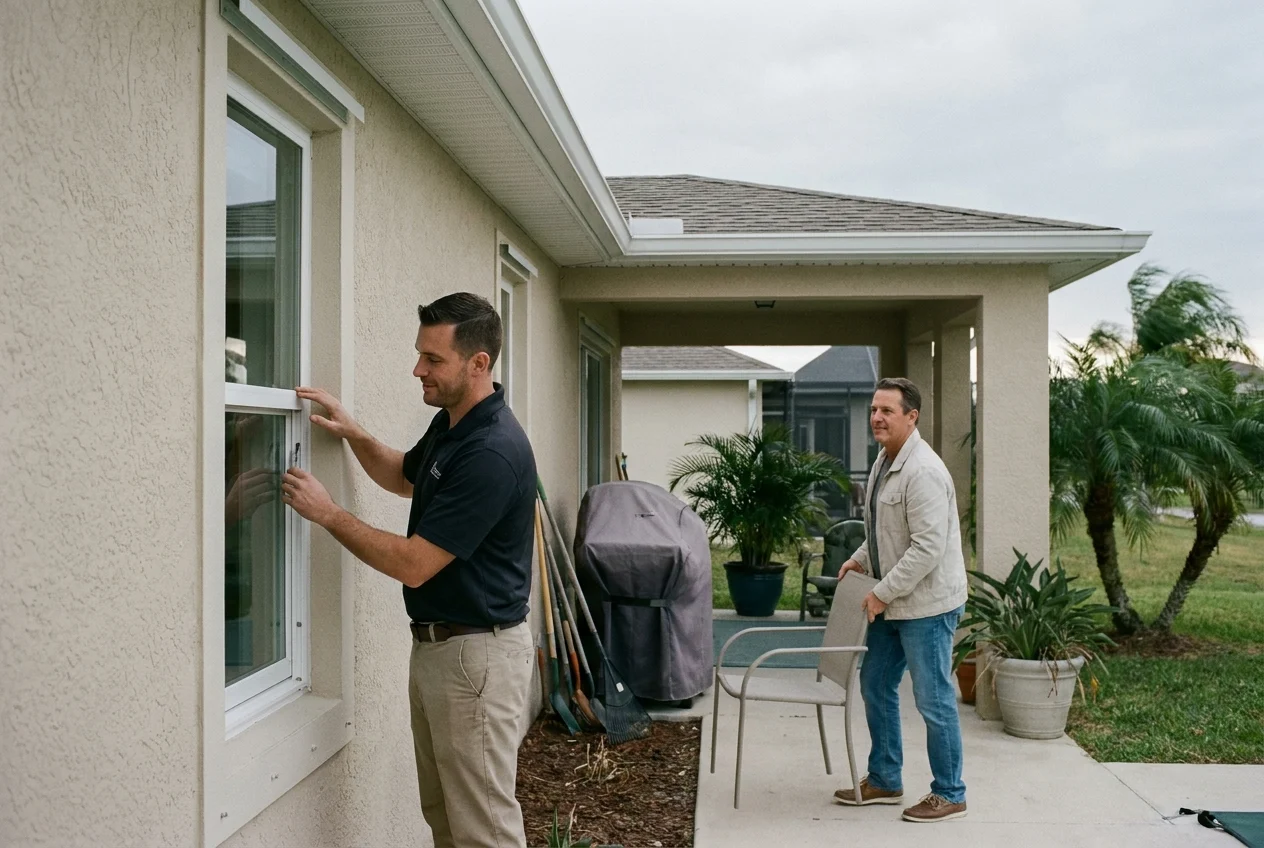
Impact windows require routine care to preserve their seals, drainage paths, hardware, and finishes. Before hurricane season, homeowners should check for cracked sealant, damaged weatherstripping, blocked weep holes, corrosion, loose hardware, and difficulty locking or closing each unit.
After a storm, windows should be inspected from a safe location. Signs requiring professional attention include cracked glass, frame movement, water staining, failed seals, bent components, loose anchors, or openings that no longer operate smoothly.
The Practical Value for Coastal Florida Homes
The primary benefit of impact windows is their ability to help preserve a protected opening during wind, debris, and wind driven rain. By keeping fractured glass together and supporting the building envelope, they can reduce injury risks, interior exposure, and pressure related damage.
Their value is greatest when they are correctly rated, professionally installed, maintained, and combined with protection for doors, roofing, garage openings, and other vulnerable components.
Need help with The Real Benefits of Impact Windows During Heavy Rain, Wind, and Storm Surge in Coastal Florida?