





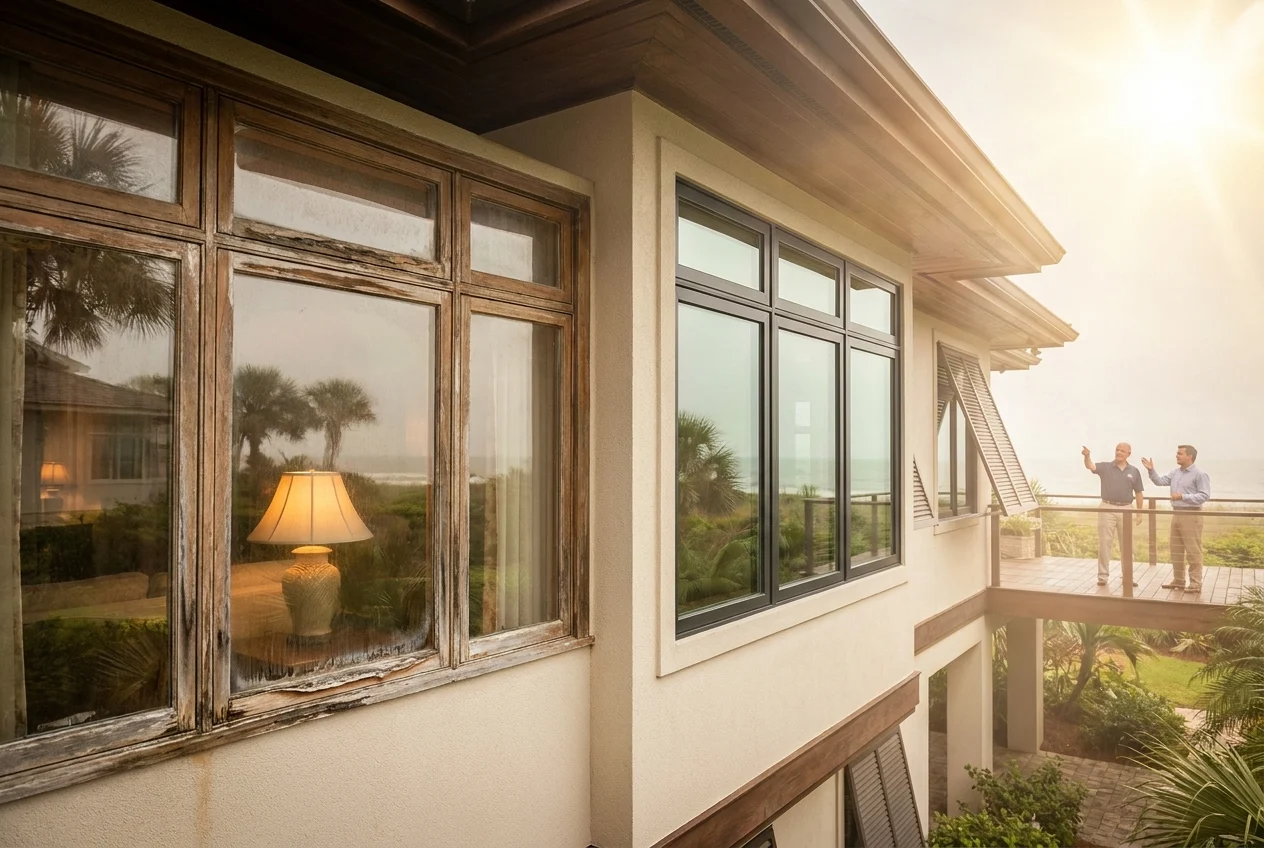
Replacing old windows in Florida is not the same as replacing windows in a colder, drier climate. Between intense sun, high humidity, salt air in coastal areas, heavy rain, and hurricane season, homeowners need to evaluate more than just the appearance of a new window.
Energy efficient windows can help reduce heat gain, improve indoor comfort, and support lower cooling costs, but the right choice depends on glass performance, frame material, local building codes, installation quality, and whether impact protection is needed. Before investing in replacement windows, it helps to understand how Florida’s climate affects window performance and what features matter most.
Why Florida’s Climate Changes the Window Replacement Conversation
Florida homes face a unique combination of heat, moisture, ultraviolet exposure, and seasonal storm risk. Older windows often allow solar heat to enter the home, forcing the air conditioner to work harder during long cooling seasons. Even if the windows are not visibly damaged, they may have worn seals, inefficient single-pane glass, loose frames, or air leaks that make rooms feel warmer and less comfortable.
Unlike homes in northern climates, where winter heat retention is often the main concern, Florida homes usually benefit most from windows designed to limit heat gain. That means homeowners should pay close attention to glass coatings, solar heat control, air leakage ratings, and overall durability in humid conditions. A window that performs well in another region may not be the best fit for a Florida property.
Moisture is another major factor. High humidity, wind-driven rain, and coastal salt exposure can affect both the window frame and the surrounding wall system. Poorly installed replacement windows can allow water intrusion, which may lead to rot, mold, drywall damage, or hidden structural issues. For this reason, installation details are just as important as the window product itself.
Cooling Costs Are Often the Biggest Energy Concern
In many Florida homes, air conditioning is one of the largest energy expenses. Inefficient windows can contribute to heat gain, especially on east-facing and west-facing walls that receive strong morning and afternoon sun. Rooms with older windows may feel hotter than the rest of the home, even when the HVAC system is running properly.
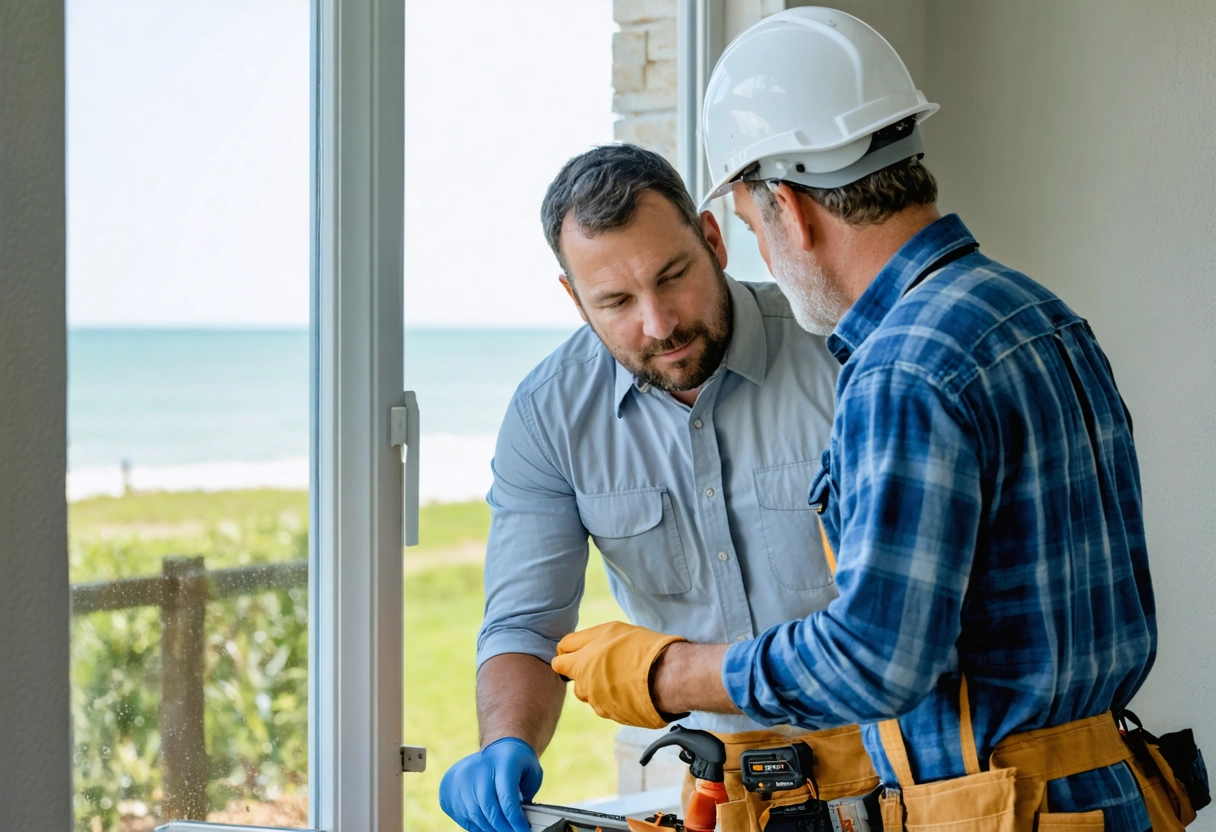
Energy efficient windows can help reduce unwanted heat transfer, but they should be selected based on Florida-relevant performance ratings. Homeowners should not assume that every window labeled energy efficient will deliver the same results in a warm, sunny climate.
Key Performance Ratings Homeowners Should Understand
Window labels include several ratings that can help Florida homeowners compare products more accurately. These numbers are not just technical details. They can influence comfort, cooling demand, condensation risk, and long-term value. Understanding the basics can make it easier to choose windows that match the home’s location and exposure.
One of the most important ratings for Florida is the Solar Heat Gain Coefficient, often called SHGC. This measures how much solar heat passes through the glass. A lower SHGC generally means the window blocks more heat from the sun, which can be especially helpful in warm climates where cooling efficiency is a priority.
U-factor is another common rating. It measures how well a window insulates against heat transfer. While U-factor is often emphasized in colder climates, it still matters in Florida because it affects overall thermal performance. However, many homeowners in Florida may find that SHGC and air leakage are more directly connected to everyday comfort and cooling efficiency.
Low-E Glass and UV Protection
Low-emissivity glass, commonly called Low-E glass, has a thin coating designed to reflect certain types of heat while still allowing natural light into the home. In Florida, the right Low-E coating can help reduce solar heat gain and protect furnishings, flooring, and window treatments from fading caused by ultraviolet exposure.
Not all Low-E coatings are the same. Some are designed for cold climates where capturing solar warmth is beneficial, while others are better suited for hot climates where blocking solar heat is the priority. Florida homeowners should look for products designed for warm, sunny regions rather than choosing based on the Low-E label alone.
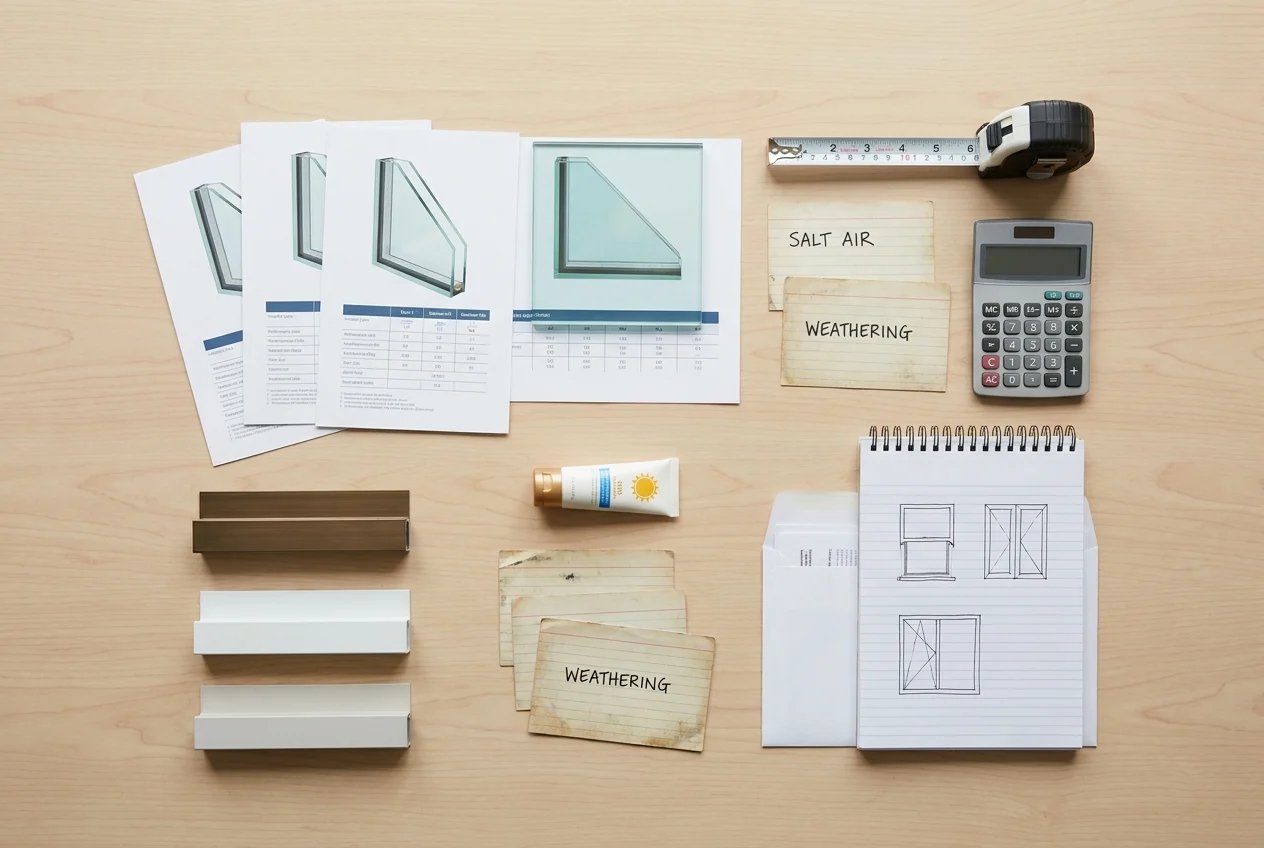
Choosing the Right Frame Material for Florida Conditions
The frame is more than a border around the glass. It affects durability, insulation, maintenance, air leakage, and how well the window handles Florida’s moisture-rich environment. A high-performing glass package can be undermined by a weak frame, poor seals, or materials that do not hold up well in heat and humidity.
Vinyl windows are popular in many Florida homes because they are relatively low maintenance, resist moisture, and do not require painting. Quality matters, however. Lower-grade vinyl can warp, discolor, or become brittle over time when exposed to intense sun. Homeowners should look for reinforced construction, welded corners, and products rated for local wind and weather conditions.
Aluminum frames are also common, especially in coastal and storm-prone areas. They are strong and can support larger glass openings, but standard aluminum conducts heat more readily than other materials. Thermally improved aluminum frames can help reduce heat transfer, making them a better option for energy efficiency than basic aluminum units.
Fiberglass and composite frames can offer strong performance in hot, humid climates. They tend to expand and contract less than some other materials, which can help preserve seals and alignment. They may cost more upfront, but they can be attractive for homeowners who want strength, stability, and long service life with minimal maintenance.
Coastal Homes Need Extra Material Awareness
Homes near the ocean have additional concerns because salt air can accelerate corrosion. Hardware, fasteners, locks, balances, and tracks should be selected with corrosion resistance in mind. Even a durable frame can become frustrating if moving parts rust, stick, or fail prematurely.
For coastal properties, it is wise to ask how the entire window assembly performs in salt exposure, not just the glass or frame. Stainless steel or corrosion-resistant hardware, durable finishes, and proper drainage design can make a significant difference in long-term performance.
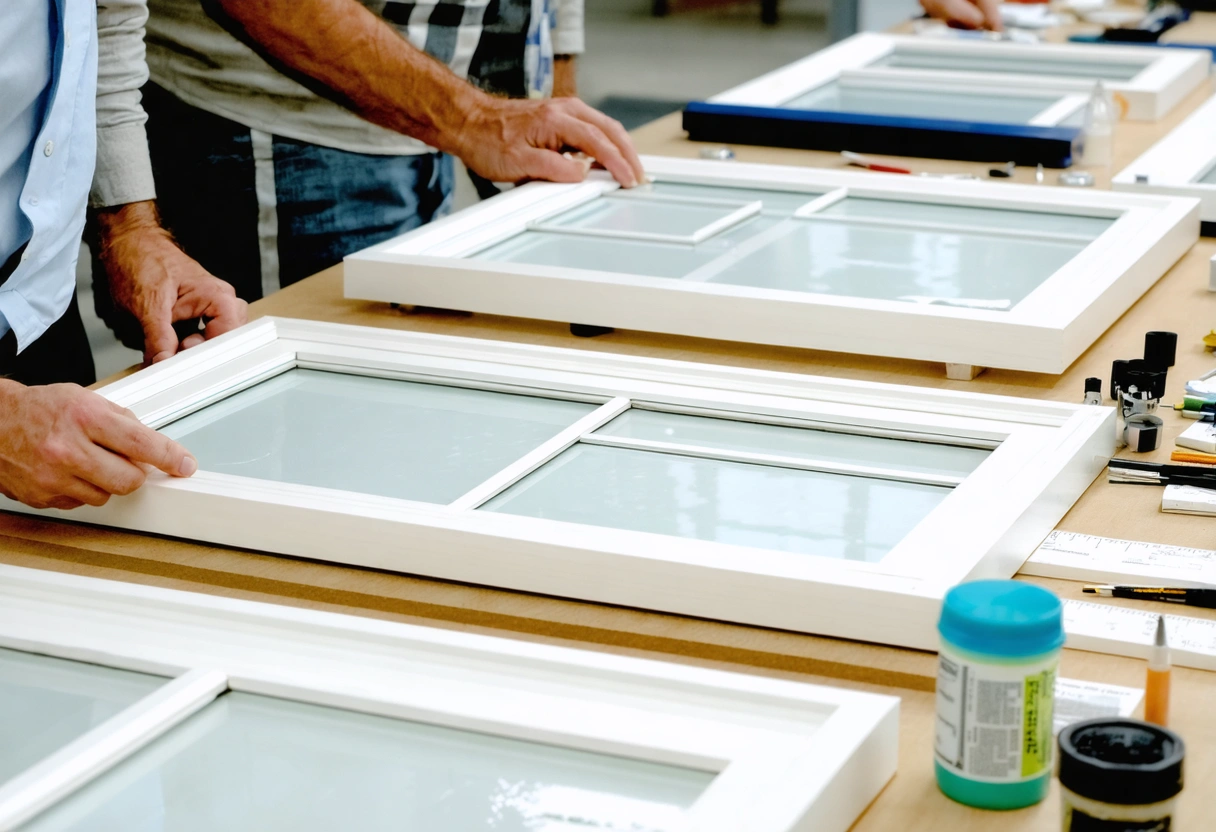
Impact Windows, Hurricane Protection, and Building Code Requirements
In many parts of Florida, window replacement is closely tied to hurricane protection and local building code compliance. Depending on where the home is located, replacement windows may need to meet specific design pressure ratings or impact-resistance standards. These requirements are especially important in wind-borne debris regions and high-velocity hurricane zones.
Impact-resistant windows are built with laminated glass that helps hold together when struck. If the outer glass cracks, the interlayer helps prevent a large opening from forming. This can reduce the risk of wind and water entering the home during severe weather. While no window makes a home storm-proof, impact-rated products can provide year-round protection without the need to install shutters before every storm.
Homeowners should understand the difference between energy efficient windows and impact windows. Some impact windows are also highly energy efficient, but impact resistance and energy performance are separate features. Ideally, Florida homeowners should evaluate both. A window may satisfy storm protection needs but still allow excessive heat gain if the glass package is not designed for solar control.
Permitting is another key issue. Window replacement in Florida often requires a permit, and the product may need to match approved specifications. Skipping permits or using unapproved products can create problems during inspections, insurance reviews, refinancing, or resale. It can also leave the homeowner responsible for correcting work that does not meet code.
Design Pressure Ratings Matter
Design pressure ratings indicate how much wind force a window is engineered to withstand. The required rating can vary by location, building height, exposure category, and where the window is installed on the home. Corner windows and upper-level windows may experience different pressures than protected openings.
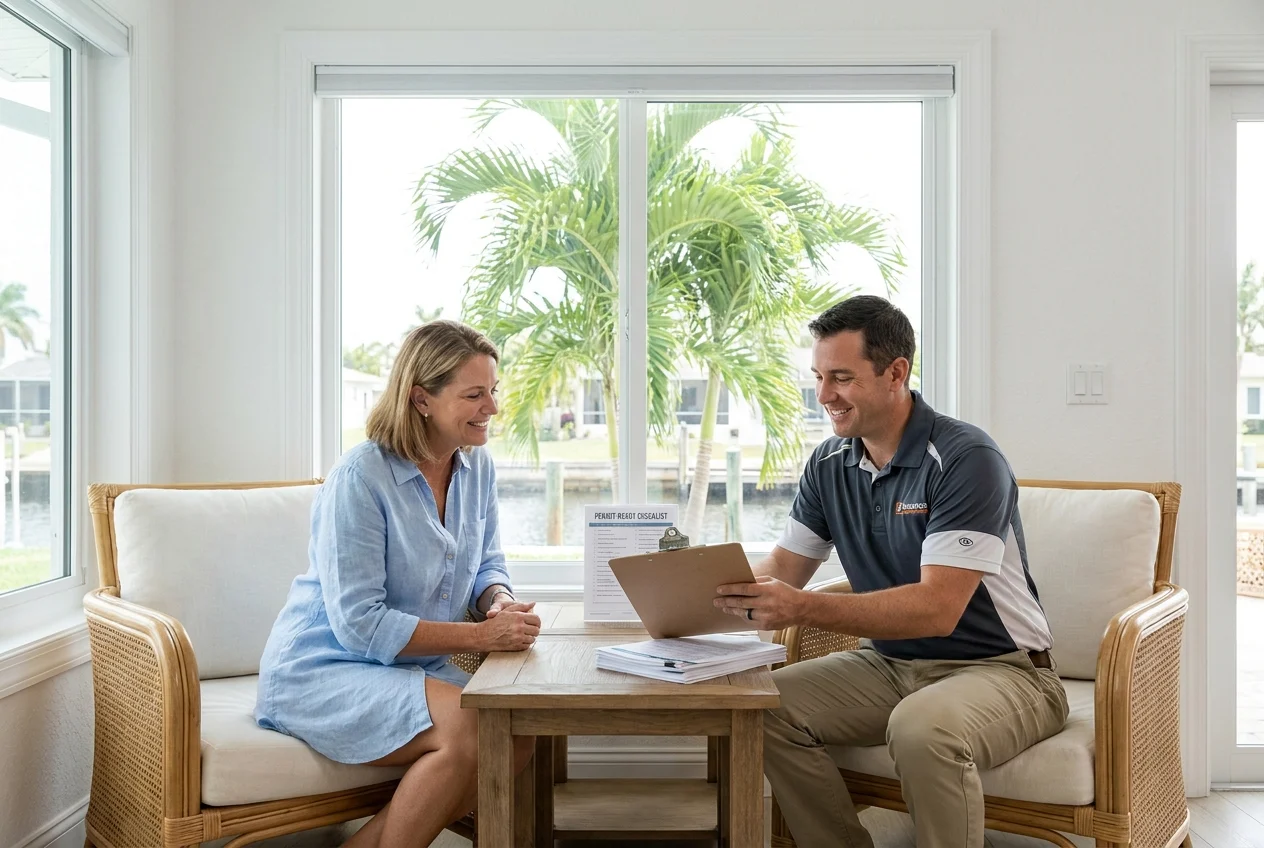
A reputable installer should verify the required rating for each project rather than relying on a one-size-fits-all recommendation. This is particularly important in coastal counties and areas with stricter wind-load requirements.
Installation Quality Can Make or Break the Investment
Even the best energy efficient window can underperform if it is installed incorrectly. Florida’s wind-driven rain makes proper flashing, sealing, anchoring, and water management essential. A replacement window must be integrated with the wall opening so that water is directed away from the interior, not trapped behind trim or allowed to seep into framing.
Common installation problems include insufficient fastening, missing or improper flashing, poorly sealed gaps, and failure to address damaged surrounding materials. If old windows leaked for years, the rough opening may have rot, stucco cracks, termite damage, or compromised framing. Simply placing a new window into a damaged opening can hide problems rather than solve them.
There are also different installation methods. Insert or pocket replacement may preserve existing frames and trim, while full-frame replacement removes more of the old assembly.
Homeowners should ask how the installer will protect the home during the project, how openings will be sealed each day, what sealants and flashing methods will be used, and how the finished work will be inspected.
Cost, Savings, and Realistic Payback Expectations
Energy efficient windows can reduce cooling demand, improve comfort, and potentially add value to a home, but homeowners should approach payback expectations realistically. The total savings depend on the age and condition of the current windows, the home’s insulation, HVAC efficiency, shading, thermostat habits, and the orientation of the windows.
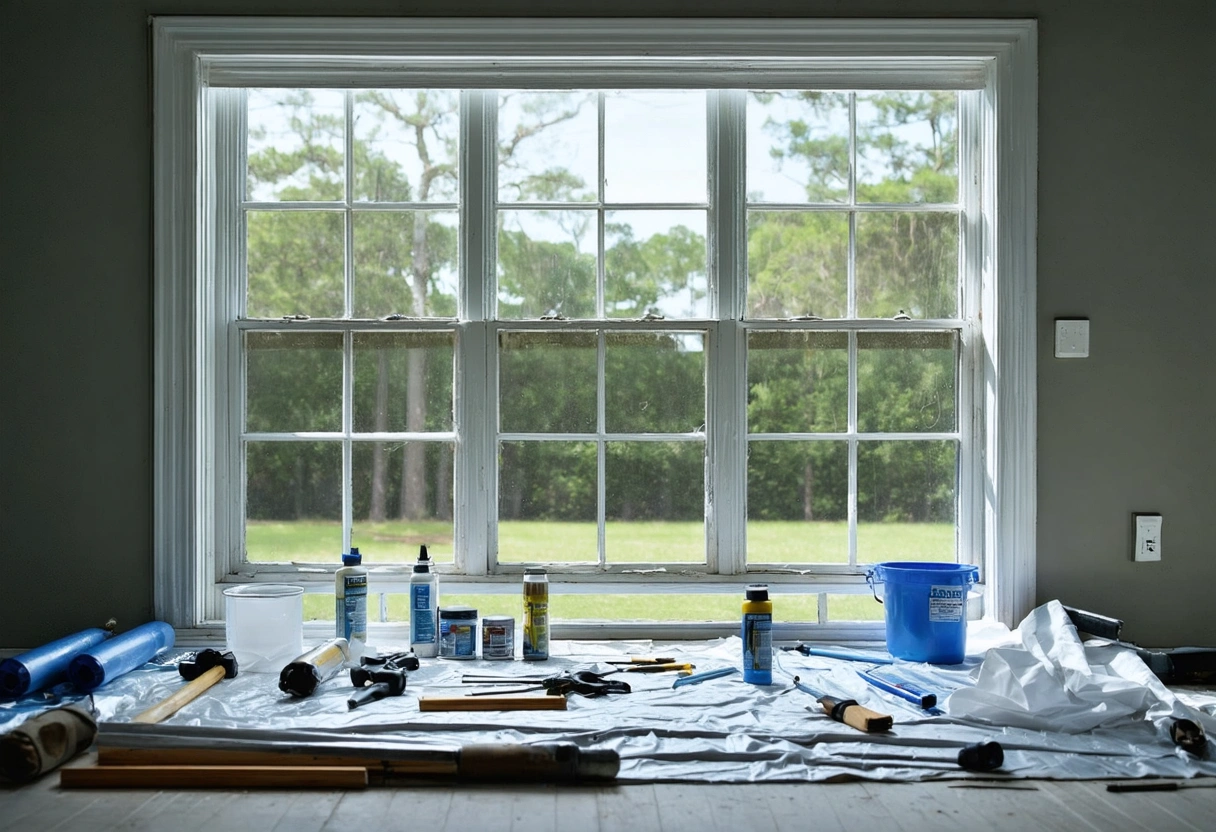
A home with single-pane, leaky windows and strong sun exposure may notice a more dramatic improvement than a home that already has reasonably efficient double-pane windows.
Window replacement costs can vary widely based on size, frame material, glass package, impact rating, installation complexity, permitting, and repairs to surrounding openings. Large custom units, arched windows, sliding glass doors, and coastal impact-rated products usually cost more than standard replacements.
Homeowners may also want to consider insurance implications. In some cases, impact-rated openings or improved storm protection may support insurance credits, but requirements vary by insurer and policy.
Questions to Ask Before Signing a Window Contract
Before committing to a window replacement project, Florida homeowners should ask detailed questions about both the product and the installation process. A good contractor should be able to explain why a specific window is appropriate for the home’s location, exposure, code requirements, and energy goals.
Important questions include: What are the SHGC, U-factor, and air leakage ratings? Is the glass package designed for hot climates? Are the windows impact-rated, and if so, what approvals
Need help with What Florida Homeowners Should Know Before Replacing Old Windows with Energy Efficient Windows?