






Buying your own product can be exciting. You get to choose the exact style, brand, finish, size, features, and price point that fit your space. The next challenge is making sure that product is installed correctly, safely, and cleanly without turning a simple upgrade into a weekend-long headache.
Our install-only service is designed for customers who already have the product in hand and need skilled help putting it in place. Whether you purchased a fixture, shelf system, mirror, hardware, window treatment, accessory, smart device, or another customer-supplied item, this guide explains how the process works from the first conversation to the final walkthrough.
Why Homeowners Choose Install-Only Help
An install-only service fills an important gap between do-it-yourself work and full-service product sourcing. Many homeowners are comfortable shopping for products online or in store, but they want a professional to handle the measuring, mounting, assembly, fastening, alignment, connection, and finishing details. That is especially true when the item is heavy, delicate, expensive, technical, or highly visible in the room.
The biggest advantage is control. You select the product, compare reviews, use a gift card, take advantage of a sale, match an existing collection, or order a specialty item that is not normally stocked by a contractor. Then, instead of hoping the instructions are clear and the included hardware fits your wall, you schedule an installer who understands the practical details of getting products securely and neatly installed.
Install-only service is also useful when you have several small projects that are simple individually but time-consuming together. Examples include hanging bathroom accessories, installing cabinet pulls, mounting shelves, replacing a doorbell, putting up blinds, assembling storage pieces, anchoring furniture, installing a purchased faucet, or adding decorative fixtures. A trained installer can often complete these tasks more efficiently because they arrive with the right tools, fasteners, levels, bits, anchors, and problem-solving experience.
What Install-Only Means for Customer-Supplied Products
In an install-only arrangement, you provide the product and the installer provides the labor, tools, and installation know-how. The service focuses on properly placing, assembling, mounting, securing, or connecting the item according to the product type, the manufacturer’s instructions, site conditions, and normal safety practices. The installer does not typically sell you the item, warranty the manufacturer’s product, or guarantee that the product is free of defects.

This distinction matters because product responsibility and installation responsibility are different. If a mirror arrives chipped, a shelf kit is missing brackets, a smart lock is incompatible with your door, or a light fixture does not include the necessary mounting hardware, those are product-related issues. If the product is complete, suitable, and ready to install, the installer’s role is to complete the work carefully and professionally.
Common customer-supplied products include bathroom fixtures, towel bars, grab bars, curtain rods, closet systems, wall-mounted organizers, TV mounts, mirrors, floating shelves, door hardware, cabinet hardware, lighting fixtures, ceiling fans, faucets, garbage disposals, thermostats, smart doorbells, mailboxes, and flat-pack furniture. Not every item is appropriate for every property, and some installations require specialized licensing, permits, electrical work, plumbing alterations, structural reinforcement, or manufacturer-specific certification.
A strong install-only process begins with a clear conversation about what you purchased, where it will go, what is already in place, and what conditions may affect the installation. This helps prevent surprises and ensures the installer arrives prepared for the work you actually need.
Step 1: Share the Product Details Before the Appointment
The first step is providing accurate product information. The more detail you share upfront, the better the installation plan will be. Useful information includes the product name, brand, model number, dimensions, weight, material, installation instructions, product link, and photos of the box or label. If the item requires power, water, a wall mount, special anchors, or a specific clearance, that should be discussed before scheduling.
For example, installing a towel bar is very different from installing a grab bar, even though both may look similar. A towel bar usually supports light use, while a grab bar must be anchored to meet higher safety expectations. A decorative floating shelf for small items is different from a shelf meant to support dishes, books, or electronics. A light fixture replacement is different from adding a new electrical box where none exists.
Photos are especially helpful. A picture of the product, the installation location, nearby outlets or plumbing, wall surface, ceiling height, existing fixture, or packaging contents can reveal important details. Drywall, plaster, tile, brick, concrete, wood paneling, metal studs, and masonry all require different techniques. By identifying those conditions ahead of time, the installer can bring better fasteners and avoid unnecessary delays.
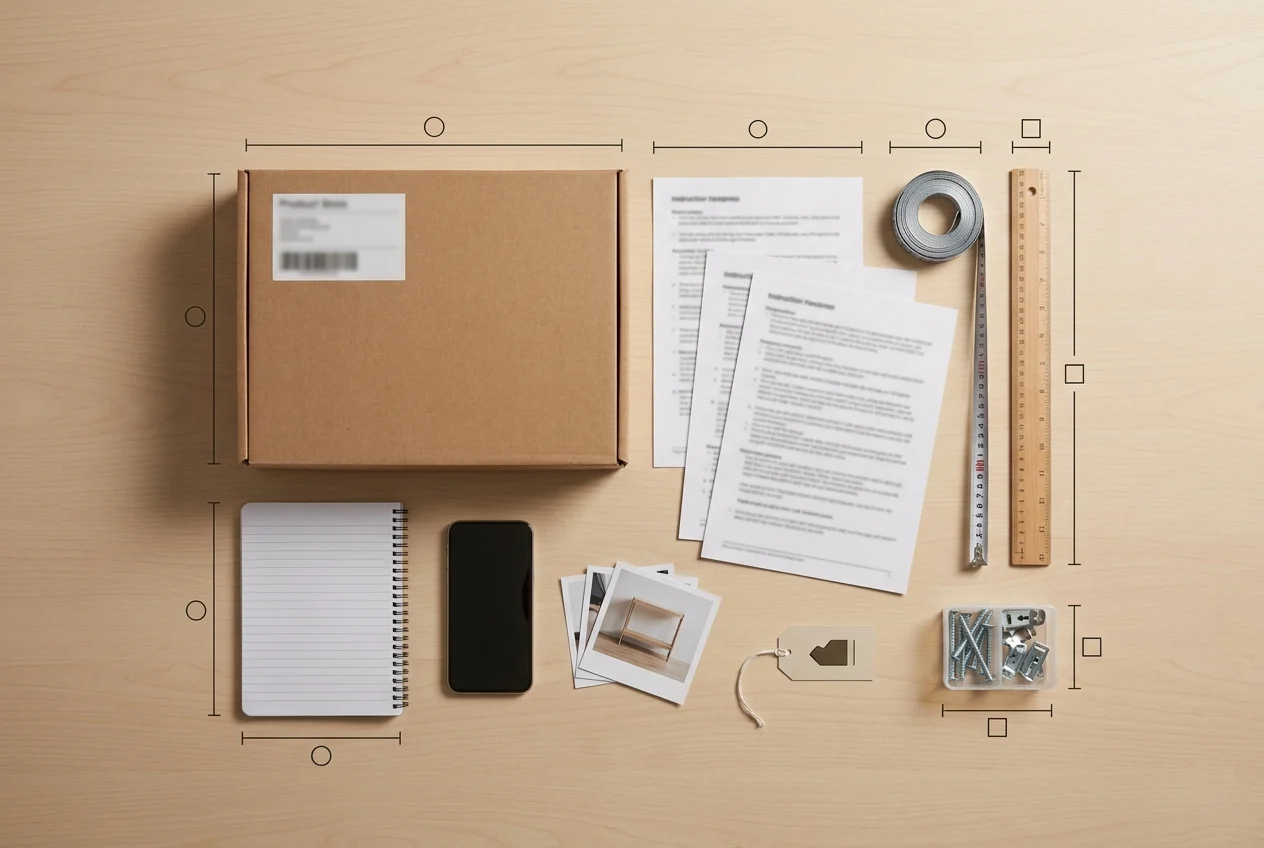
If the product instructions are available online, send them before the visit. Manufacturer instructions often include warnings, minimum clearances, wall types, torque recommendations, mounting patterns, and parts lists. Following those instructions is important not only for safety, but also for preserving the product warranty when applicable.
Step 2: Confirm the Product Is Complete, Compatible, and Ready
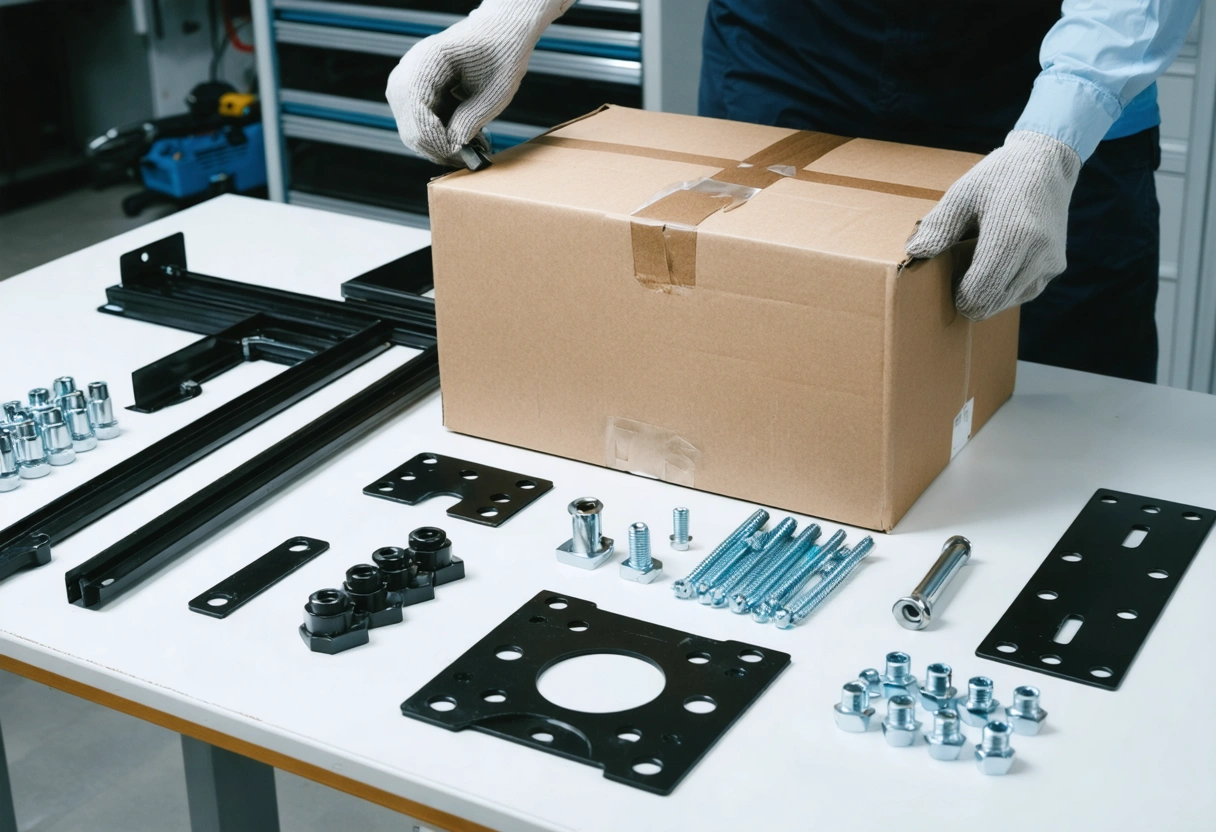
Before installation day, inspect your item. Open the packaging carefully, verify that the model is correct, and check the parts list against what came in the box. Look for missing screws, brackets, templates, remote controls, mounting plates, gaskets, washers, anchors, power adapters, and instruction sheets. Also look for cracks, dents, bent components, stripped threads, broken glass, damaged finishes, or signs that the product was previously returned.
Compatibility is just as important as completeness. A faucet must match the sink hole configuration and supply connections. A ceiling fan must be suitable for the ceiling height and electrical box. A TV mount must support the screen size, weight, and VESA pattern. A smart lock must fit the door thickness, backset, bore hole, and deadbolt style. A shelf system must fit the wall width and intended load.
If you are unsure, ask before the appointment. It is much easier to identify a mismatch early than after the old fixture has been removed. In some cases, a simple adapter, extension kit, alternate anchor, escutcheon plate, or mounting accessory solves the problem. In other cases, the product may need to be exchanged for a better fit.
Keep all packaging until the installation is complete. Packaging often contains small parts hidden in foam, cardboard folds, or plastic bags taped to the inside. It also makes returns easier if the item is defective or incompatible.
Step 3: Prepare the Work Area for a Smooth Visit
A little preparation helps the installer work safely and efficiently. Clear the area around the installation location, move furniture, remove fragile decor, and create a path from the entrance to the workspace.
For wall-mounted products, remove artwork, nearby objects, or clutter that may block access. For plumbing products, clear the cabinet beneath the sink. For electrical fixtures, know which breaker controls the area if possible.
Pets and children should be kept safely away from the workspace. Installations may involve drilling, ladders, sharp tools, small parts, temporary power shutoffs, open plumbing connections, or heavy objects.
Ventilation and dust control may also matter. Drilling into drywall, masonry
Ventilation and dust control may also matter. Drilling into drywall, masonry, tile, or wood can create debris, and some projects require cutting, sanding, or minor adjustment to surrounding materials.
Step 4: Review the Installation Location and Final Placement
When the installer arrives, one of the first tasks is confirming the exact placement of the product. This is more than pointing to a general area.
For example, a mirror should be centered over the vanity, but the best height may depend on faucet height, lighting, backsplash, ceiling height, and the users of the bathroom.

This placement review is your opportunity to make design decisions before holes are drilled or parts are assembled. If you want a shelf higher, a hook lower, a TV angled toward a seating area, or a fixture centered on furniture instead of a wall, say so clearly.
Some products require finding studs, joists, blocking, or other structural support. If the ideal location does not have adequate support, the installer may recommend alternate placement, special anchors, a mounting board, or additional reinforcement.
Step 5: Understand What Happens During the Installation
Once placement is confirmed, the installer begins the technical work. Depending on the product, this may include measuring, marking, leveling, drilling pilot holes, installing anchors, attaching brackets, assembling components, connecting parts, sealing edges, testing movement, or adjusting alignment.
Quality installation often involves adapting to real-world conditions. Walls may not be perfectly square, floors may slope slightly, framing may not be where expected, and older homes may have layers of previous repairs behind the surface.
If the project involves electrical or plumbing components, the installer will usually verify that existing connections are appropriate before proceeding. Basic replacement work may be straightforward, but hidden issues can change the scope.
During the work, it is helpful to remain available for questions but avoid hovering over the installer. Some decisions can only be made after the old item is removed or the wall is opened enough to reveal conditions.

Step 6: Test, Inspect, and Ask Questions Before Completion
After the product is installed, the final walkthrough is essential. The installer should check that the item is secure, level, aligned, functional, and installed in the agreed location.
You should also test the product yourself when practical. Turn the faucet on and off. Open the cabinet doors. Tug gently on the mounted accessory.
This is the best time to ask care and maintenance questions. You may want to know how much weight a shelf can reasonably hold, when caulk can get wet, how to replace batteries in a smart device, how to avoid loosening wall anchors, or what signs could indicate a product defect.
A Better Way to Finish the Project You Started
Choosing your own product gives you freedom, but professional install-only support helps turn that purchase into a finished improvement. The process works best when the product is complete, compatible, and ready, the work area is prepared, and the final location is carefully reviewed before installation begins.
From the first photos you share to the final walkthrough, the goal is a smooth, transparent experience. With clear communication, realistic expectations, and skilled installation, customer-supplied products can be added to your home with confidence, saving time while helping the finished result look and perform the way you intended.
Need help with What to Expect: A Step-by-Step Guide to Our Install-Only Service for Customer-Supplied Products?