





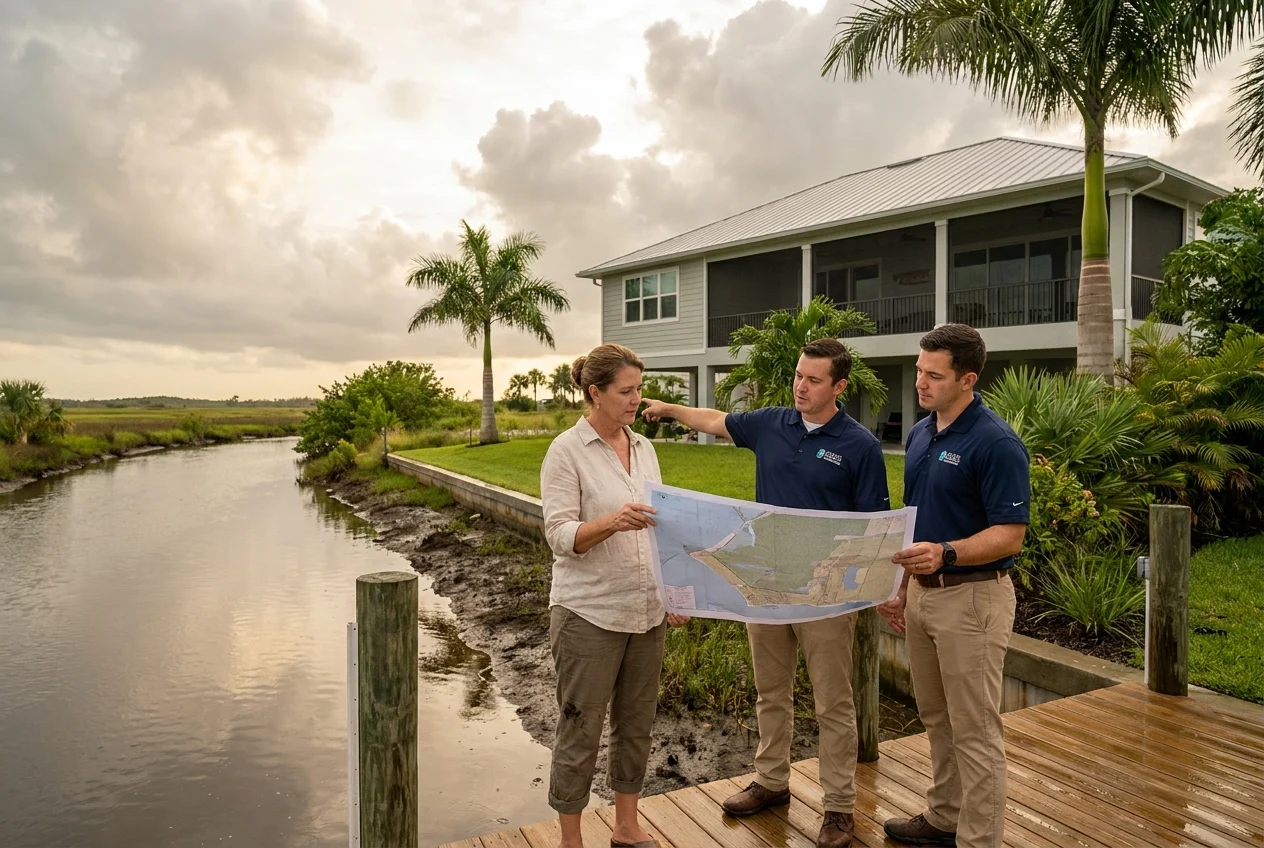
Living in Southwest Florida, with its stunning beaches and tropical climate, comes with the responsibility of safeguarding your home against the frequent threat of flooding. Choosing the right flood barrier system is crucial in this region, where hurricanes and heavy rains are common occurrences. A well-chosen flood barrier can protect your property, save money on repairs, and provide peace of mind during storm season.
Understanding the different types of flood barriers, their effectiveness, and suitability for your specific needs is essential. This guide will walk you through various options and considerations, helping you make an informed decision for your Southwest Florida home.
Understanding Flood Risks in Southwest Florida
Before diving into the types of flood barriers, it’s important to understand the unique flood risks in Southwest Florida. The region is known for its flat terrain, which can exacerbate the effects of storm surges and heavy rainfall. The Atlantic hurricane season, which runs from June through November, poses a significant threat, with storms often leading to flooding in coastal and low-lying areas.
Additionally, urban development has increased the risk of flooding by reducing natural drainage areas. As such, homeowners must consider both natural and human-induced factors when evaluating their flood risk. This understanding is the first step in choosing an effective flood barrier system.
Types of Flood Barrier Systems
Temporary Flood Barriers
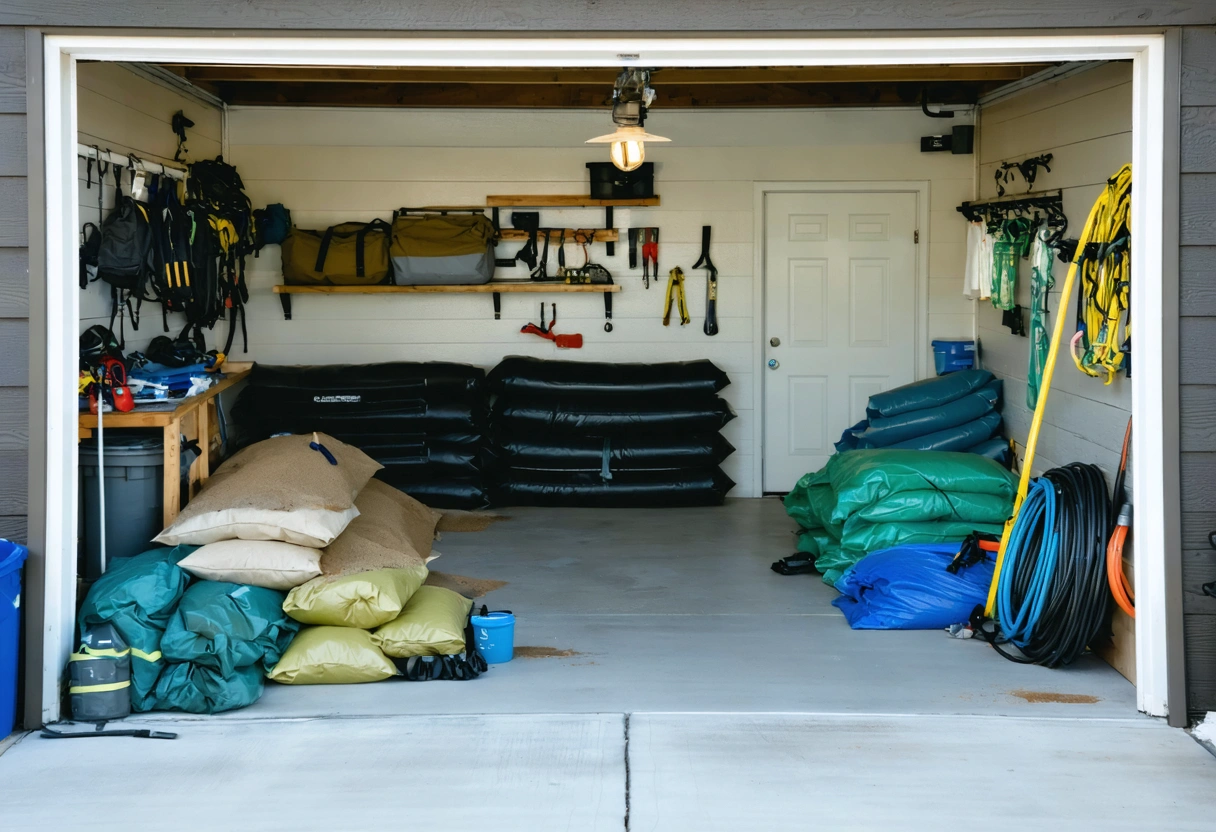
Temporary flood barriers are a popular choice for homeowners looking for flexible and cost-effective solutions. These barriers can be deployed quickly in response to an impending flood threat and removed once the danger has passed. Common types of temporary barriers include sandbags, water-filled barriers, and inflatable dams.
Sandbags are one of the oldest and most widely used temporary flood barriers. Although effective, they can be labor-intensive to fill and place. Water-filled barriers offer a more modern solution, using water to create a stable barrier that can be easily filled and drained. Inflatable dams, on the other hand, are lightweight and easy to store, making them a convenient choice for many homeowners.
Permanent Flood Barriers
For those seeking a long-term solution, permanent flood barriers provide continuous protection without the need for deployment. These systems are often integrated into the home’s structure and include flood walls, levees, and berms.
Flood walls are typically constructed from concrete or other durable materials and can be designed to blend with the home’s aesthetics. Levees and berms are earthen structures that redirect water flow, effectively keeping floodwaters at bay. While permanent barriers can be more expensive to install, they offer unparalleled protection and peace of mind.
Factors to Consider When Choosing a Flood Barrier
Flood Risk Assessment
Conducting a thorough flood risk assessment is crucial before selecting a barrier system. This assessment will help you understand your property’s specific vulnerabilities, such as proximity to water bodies, elevation, and historical flood data. Engaging with local experts or government agencies can provide valuable insights into your area’s flood risks.
Budget and Maintenance
Your budget will play a significant role in determining the type of flood barrier you choose. Temporary barriers tend to be more affordable upfront but may incur recurring costs for setup and maintenance. Permanent barriers, while more expensive initially, often require less maintenance over time. Consider both the short-term and long-term costs when evaluating your options.
Maintenance is another important factor to consider. Some barriers require regular inspections and upkeep to ensure their effectiveness. Evaluate the maintenance demands of each system and choose one that you can feasibly manage.
Environmental Impact
It’s important to consider the environmental impact of your chosen flood barrier system. Some barriers can disrupt local ecosystems, while others may have a more sustainable design. For example, levees and berms can alter the natural flow of water and affect wildlife habitats. Consulting with environmental experts can help you choose a barrier that protects your home while minimizing ecological disruption.

Installation and Regulation Compliance
When installing a flood barrier system, it’s essential to comply with local regulations and building codes. Failure to do so can lead to fines or issues with insurance claims. Consult with local authorities to ensure your chosen barrier meets all legal requirements.
Professional installation is often recommended for permanent barriers, as it ensures proper construction and functionality. Hiring experienced contractors can also provide peace of mind, knowing that your barrier is built to withstand flood conditions.
DIY vs. Professional Installation
For temporary barriers, DIY installation is generally feasible and can save costs. However, it requires careful planning and execution to ensure effectiveness. On the other hand, permanent barriers usually demand professional expertise. The complexity of these systems often exceeds the capabilities of a typical DIY project, and professional installation can prevent costly mistakes.
Case Study: Successful Flood Barrier Systems in Southwest Florida
Examining successful implementations of flood barrier systems in Southwest Florida can provide valuable insights for homeowners. For instance, the city of Naples has effectively used a combination of flood walls and levees to protect against storm surges. By integrating these barriers with the natural landscape, the city has minimized flood damage during major hurricanes.
Another example is the use of water-filled barriers in Fort Myers. These barriers have been deployed during emergencies to protect critical infrastructure and residential areas, proving their effectiveness in real-world scenarios.
Making the Right Choice for Your Home
Choosing the right flood barrier system for your Southwest Florida home involves careful consideration of several factors, including flood risk, budget, and environmental impact. Whether you opt for a temporary or permanent solution, the key is to select a system that aligns with your specific needs and circumstances.
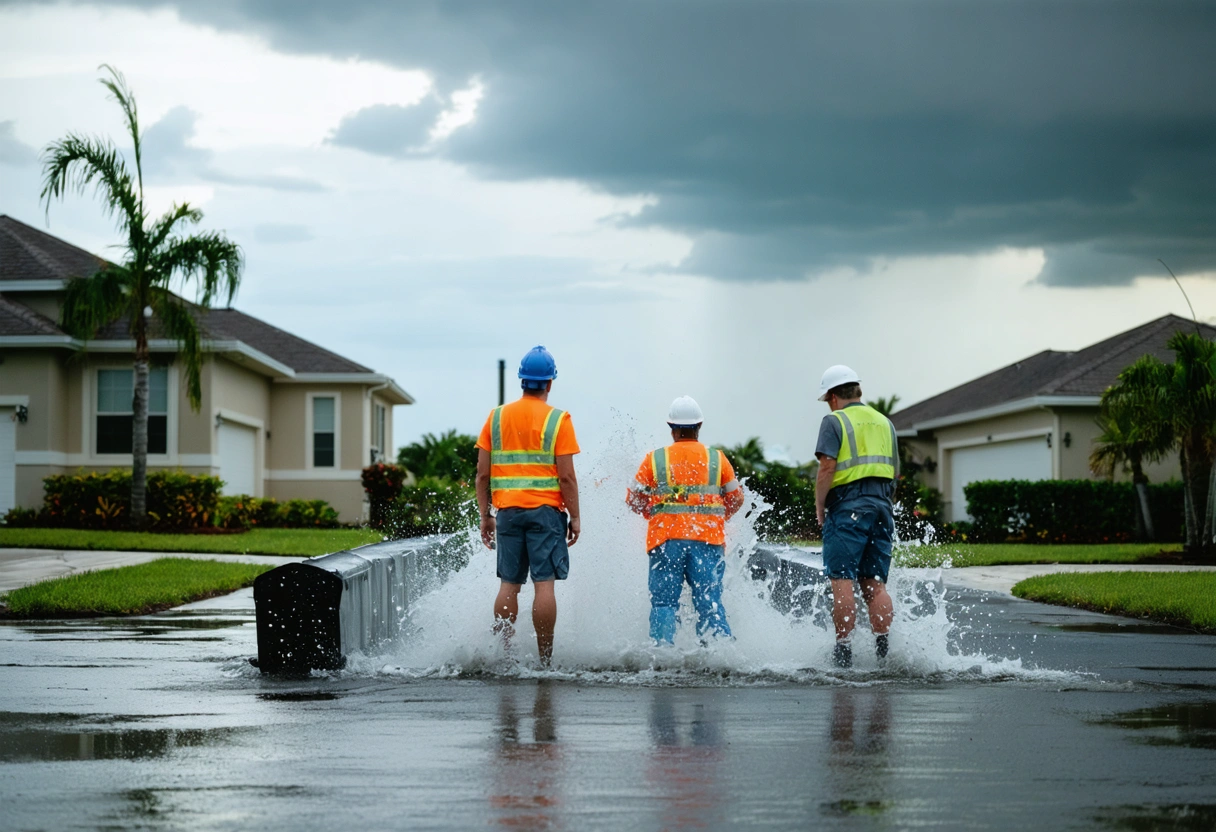
By investing in a reliable flood barrier, you not only protect your property but also contribute to the resilience of your community. As flood risks continue to evolve, staying informed and proactive is essential in safeguarding your home against the forces of nature.
Additional Considerations for Flood Barrier Systems
Impact on Home Insurance
When deciding on a flood barrier system, consider its impact on your home insurance premiums. Many insurance companies offer discounts for homes equipped with effective flood protection systems. Installing a permanent barrier or having a well-documented temporary barrier plan can reduce your flood risk profile, potentially leading to lower premiums.
It’s advisable to consult with your insurance provider to understand how different flood barriers might affect your coverage and costs. They can provide guidance on which systems are recognized and valued by the insurance industry, helping you make an informed choice.
Community Engagement and Support
Engaging with your community can be a valuable part of your flood protection strategy. Communities that work together to manage flood risks can often achieve better outcomes than individuals acting alone. By participating in community meetings and initiatives, you can learn about shared resources and strategies that enhance the effectiveness of your home’s flood barrier system.
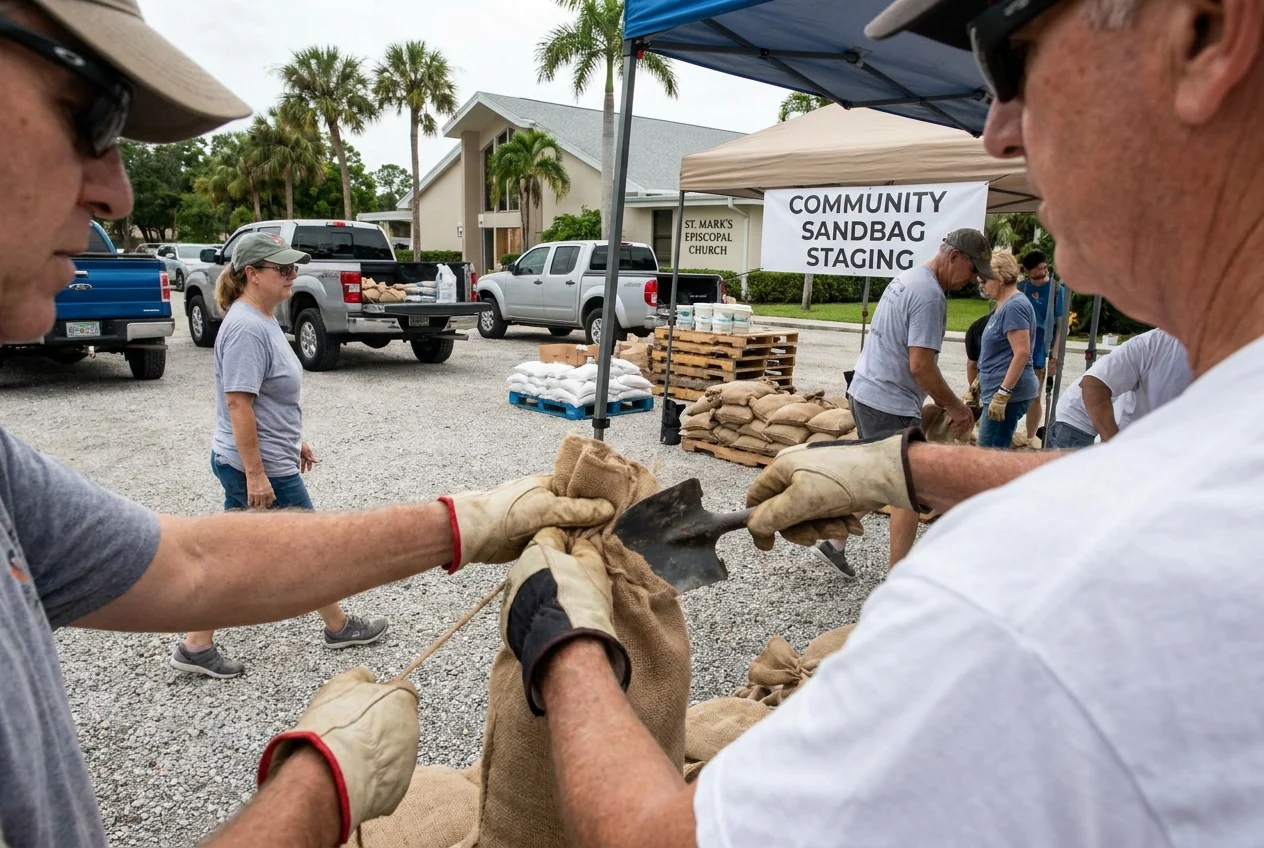
For instance, in areas where sandbags are commonly used, communities often organize sandbagging events before a storm. Participating in these events can help ensure you have access to the necessary materials and manpower to quickly deploy your temporary barriers.
Innovative Technologies in Flood Protection
Smart Flood Barriers
Advancements in technology have led to the development of smart flood barriers, which offer automated and remote-controlled solutions for flood protection. These systems can detect rising water levels and automatically deploy barriers in response to impending floods. By integrating sensors and IoT technology, smart barriers provide a high level of protection with minimal human intervention.
For example, some smart barriers can be connected to weather monitoring systems, allowing them to activate preemptively based on forecasted conditions. This proactive approach can prevent flood damage even before water levels reach critical thresholds.
Permeable Pavements and Landscaping
Incorporating permeable pavements and strategic landscaping into your flood protection plan can enhance the effectiveness of your barrier system. Permeable pavements allow water to pass through and soak into the ground, reducing surface runoff and decreasing the risk of flooding.
Additionally, landscaping with native plants and creating rain gardens can help absorb excess water and prevent it from reaching your home’s foundation. These natural solutions can be integrated with traditional flood barriers to create a comprehensive flood protection strategy.
Evaluating the Effectiveness of Your Flood Barrier System
Regular Testing and Drills
Once a flood barrier system is in place, regular testing and drills are essential to ensure its continued effectiveness. Conducting drills can familiarize you and your family with the deployment process, reducing response times in the event of a flood. For permanent barriers, regular inspections by professionals can help identify any maintenance needs or vulnerabilities.
Testing your system under simulated flood conditions can also reveal potential weaknesses that might not be apparent during normal conditions. Addressing these issues proactively can enhance your home’s flood resilience.

Adapting to Changing Climate Conditions
The changing climate poses new challenges for flood protection, with increasing storm intensity and sea-level rise. Regularly reevaluate your flood barrier system to ensure it remains effective under evolving conditions. This might involve upgrading existing barriers or incorporating new technologies to address heightened risks.
Stay informed about climate projections for Southwest Florida and consider how they might impact your flood risk. Local government agencies and environmental organizations often provide valuable resources and data to help homeowners adapt to changing conditions.
The Path Forward
Protecting your Southwest Florida home from flooding requires a multifaceted approach that combines the right flood barrier system with proactive planning and community involvement. By understanding your flood risks, considering innovative technologies, and engaging with your community, you can significantly enhance your home’s resilience against flooding.
As climate conditions continue to evolve, staying informed and adaptable is crucial. By investing in a comprehensive flood protection strategy today, you can safeguard your property and ensure peace of mind for the future.
Resources for Further Information
For those seeking more information, consult resources such as the National Oceanic and Atmospheric Administration or the U.S. Geological Survey for detailed insights on flood risks and protection strategies. Additionally, the EPA’s Green Infrastructure page offers guidance on sustainable flood management practices.
Need help with Choosing the Right Flood Barrier System for Your Southwest Florida Home?