




Flood barrier systems protect buildings, equipment, infrastructure, and occupied spaces only when every component functions as intended. Exposure to sunlight, moisture, debris, corrosion, accidental damage, and long periods in storage can reduce performance without creating obvious warning signs.
A structured maintenance and inspection program helps identify problems before floodwater arrives. By combining routine visual checks, scheduled servicing, deployment practice, and accurate documentation, property teams can preserve system reliability from one flood season to the next.
Understand the Components That Require Routine Attention
Before creating an inspection schedule, identify every part of the flood protection system and understand its role. Depending on the design, the system may include removable panels, flexible barriers, permanent gates, posts, tracks, seals, anchors, fasteners, locking mechanisms, pumps, drainage equipment, storage racks, and deployment tools.
Barrier Panels, Gates, and Flexible Materials
Inspect rigid panels and gates for dents, cracks, distortion, corrosion, loose fittings, and damaged connection points. Even minor deformation can prevent a barrier from seating correctly against a seal or engaging fully with adjacent sections.
Clean barrier surfaces using methods approved for the material. Soil, salt, oils, and chemical residue can accelerate deterioration or interfere with connections. After cleaning, allow components to dry fully before storage to reduce corrosion, mildew, and damage to protective coatings.
Seals, Tracks, Anchors, and Fasteners
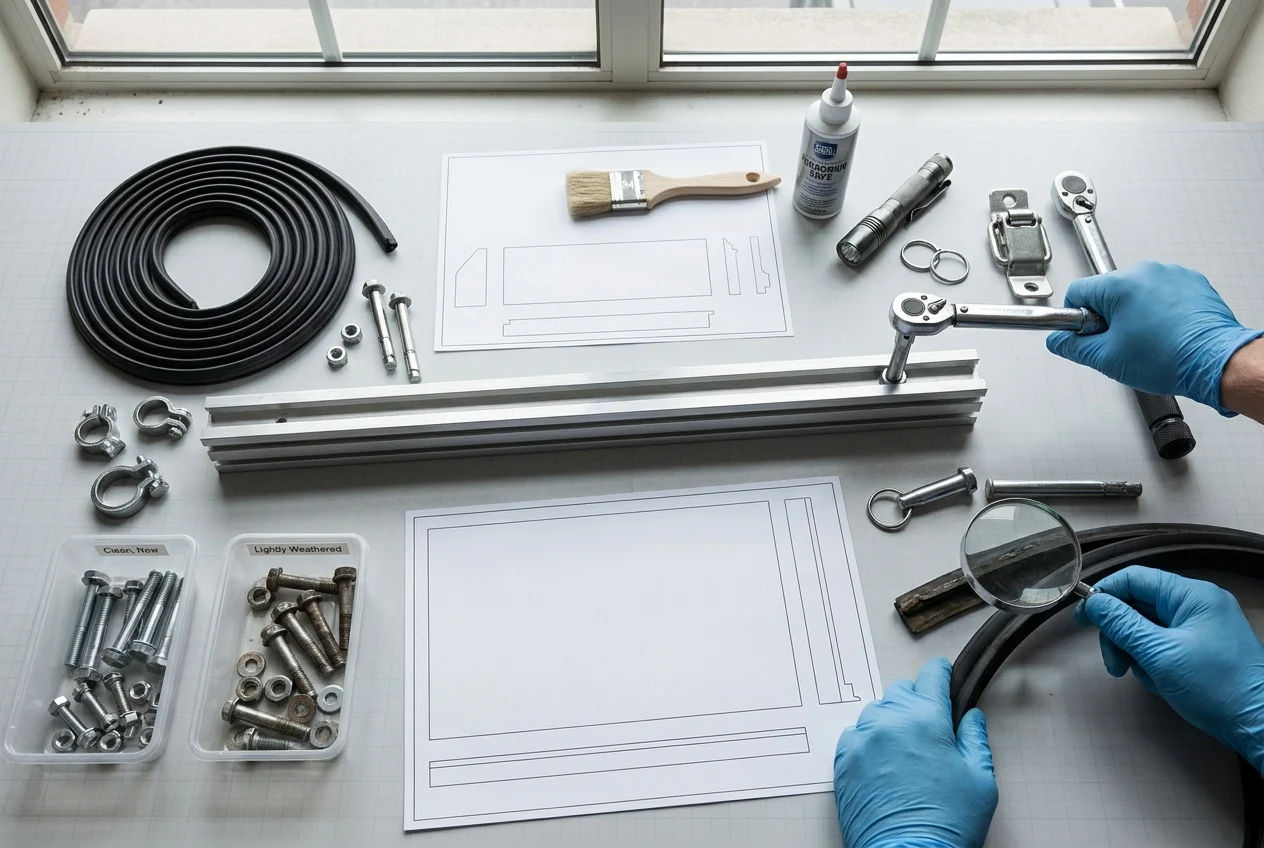
Seals deserve careful attention because they provide the contact needed to limit water intrusion. Look for flattening, cracking, hardening, tears, missing sections, and loss of elasticity.
Tracks and anchor points should remain clean, straight, secure, and free from obstructions. Test bolts, clamps, latches, and locking devices for smooth operation, and examine metal parts for rust or damaged coatings.
Build an Inspection Schedule Around Risk and Use
Flood barrier maintenance should follow a planned schedule rather than depending on memory or an approaching storm. At a minimum, inspections should occur before the local flood season, after every deployment, after construction near the barrier location, and after any event that may have caused impact or contamination.
Perform Quick Checks Between Formal Inspections
Short readiness checks can reveal changes that occur between comprehensive inspections. Walk the full barrier line and look for blocked tracks, damaged mounting surfaces, missing labels, standing water, vegetation growth, stored materials, or new utility work.
Inspect Immediately After Deployment
After a flood event, record observed leakage, water depth, duration of exposure, impact damage, and any difficulty encountered during removal. Quarantine damaged parts so they are not returned to service accidentally.
Test the System Through Regular Practice Deployments
Visual inspection cannot confirm that every panel fits, every post aligns, or every locking mechanism can be operated under field conditions. A full practice deployment provides the most reliable way to verify system completeness, installation sequence, component condition, and crew readiness.
Verify Fit, Alignment, and Engagement
During deployment, confirm that panels slide or seat correctly without excessive force. Posts should remain plumb, connections should engage fully, and clamps or locking devices should reach their intended positions.
Never force a distorted panel into place or compensate for poor alignment by overtightening hardware. Excessive force can damage seals, strip threads, deform frames, or conceal a mounting problem that will worsen under water pressure.
Conduct Controlled Leakage Testing When Appropriate
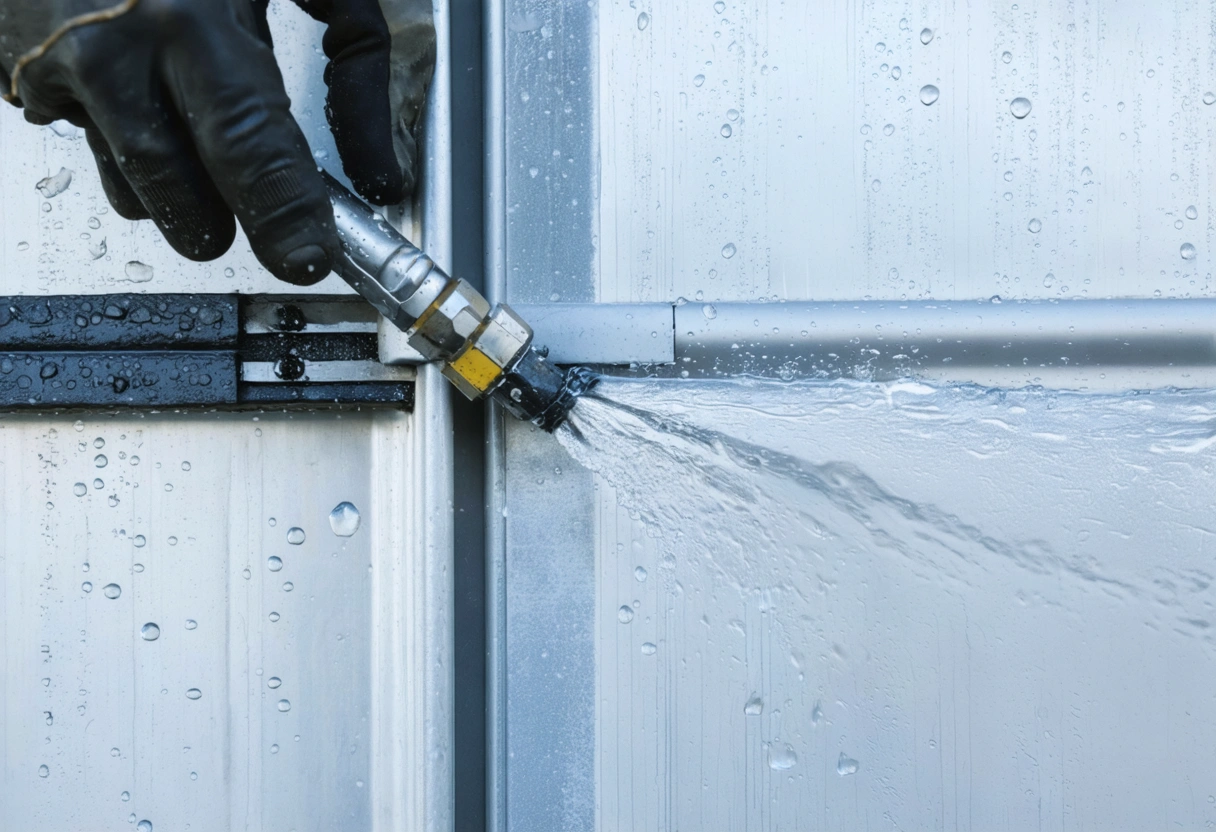
Some systems can be tested using controlled water application, temporary test sections, or manufacturer-approved pressure testing. These methods can reveal leakage paths that are not visible during dry assembly.
Measure Deployment Time and Crew Performance
Record the time required to retrieve, transport, assemble, inspect, and secure the system. Compare the result with the warning time normally available at the site.
Practice deployments should confirm that the assigned crew has enough people to handle components safely and complete the work on time. If deployment takes too long, revise staging arrangements, improve labeling, add equipment, provide further training, or change staffing levels.
Maintain Pumps, Drains, and Supporting Equipment
Flood barriers often reduce water entry without creating a completely watertight enclosure. Rainfall, groundwater, utility penetrations, drain backflow, and minor seepage can still introduce water behind the protective line.
Inspect Pumps and Power Supplies
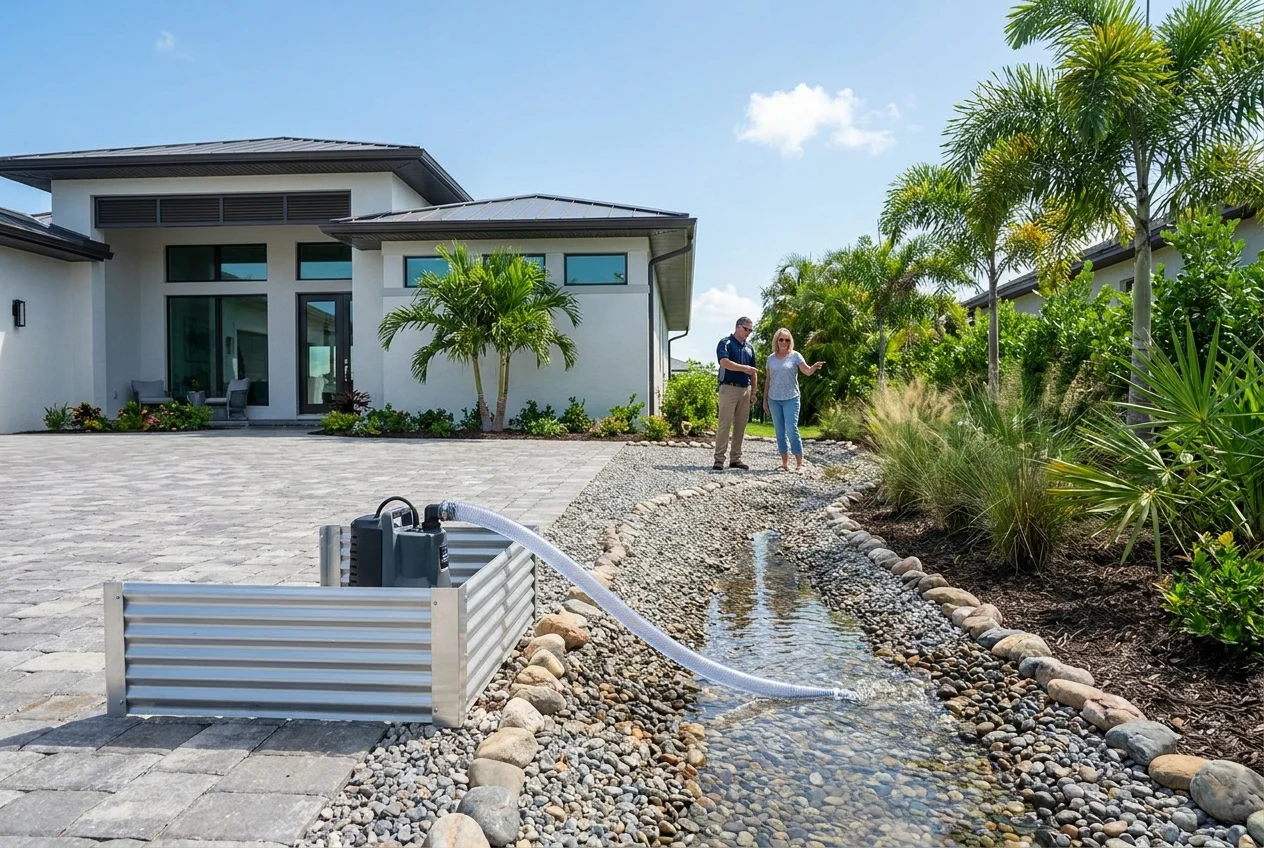
Operate pumps at scheduled intervals and verify that float switches, alarms, discharge hoses, check valves, and control panels function correctly. Remove sediment from sumps and confirm that intake screens are clear.
If pumps depend on generators, batteries, or another backup power source, test that equipment under load rather than confirming only that it starts. Maintain fuel safely, monitor battery condition, and verify that extension cables and transfer equipment are correctly rated.
Keep Drainage Paths Clear
Inspect floor drains, trench drains, roof drainage outlets, channels, and discharge routes for sediment, leaves, waste, ice, and stored materials. Confirm that backflow prevention devices and isolation valves operate as intended.
Review where pumped water will go during an actual flood. Discharge should not undermine barrier foundations, erode soil, create a slip hazard, or flow back into the protected area.
Clean, Dry, and Store Removable Components Correctly
Use an Approved Cleaning Process
Remove loose debris before washing components so that grit does not scratch coatings or seals. Use cleaning products compatible with the barrier material, and avoid solvents, abrasive tools, or high-pressure methods unless specifically approved.
Floodwater may contain sewage, petroleum products, industrial chemicals, and biological hazards. Personnel cleaning exposed equipment should use appropriate protective equipment and follow the site’s contamination control procedures.
Prevent Moisture and Storage Damage
Allow all parts to dry completely before packing or covering them. Trapped moisture can promote corrosion, mold, coating failure, and seal deterioration. If protective lubricants or corrosion inhibitors are required, apply only manufacturer-approved products because unsuitable substances can damage elastomers or attract dirt.
Store panels on racks that support them evenly and prevent bending. Flexible barriers should be rolled or folded only as directed, without sharp creases or heavy objects placed on top.
Organize Components for Rapid Retrieval
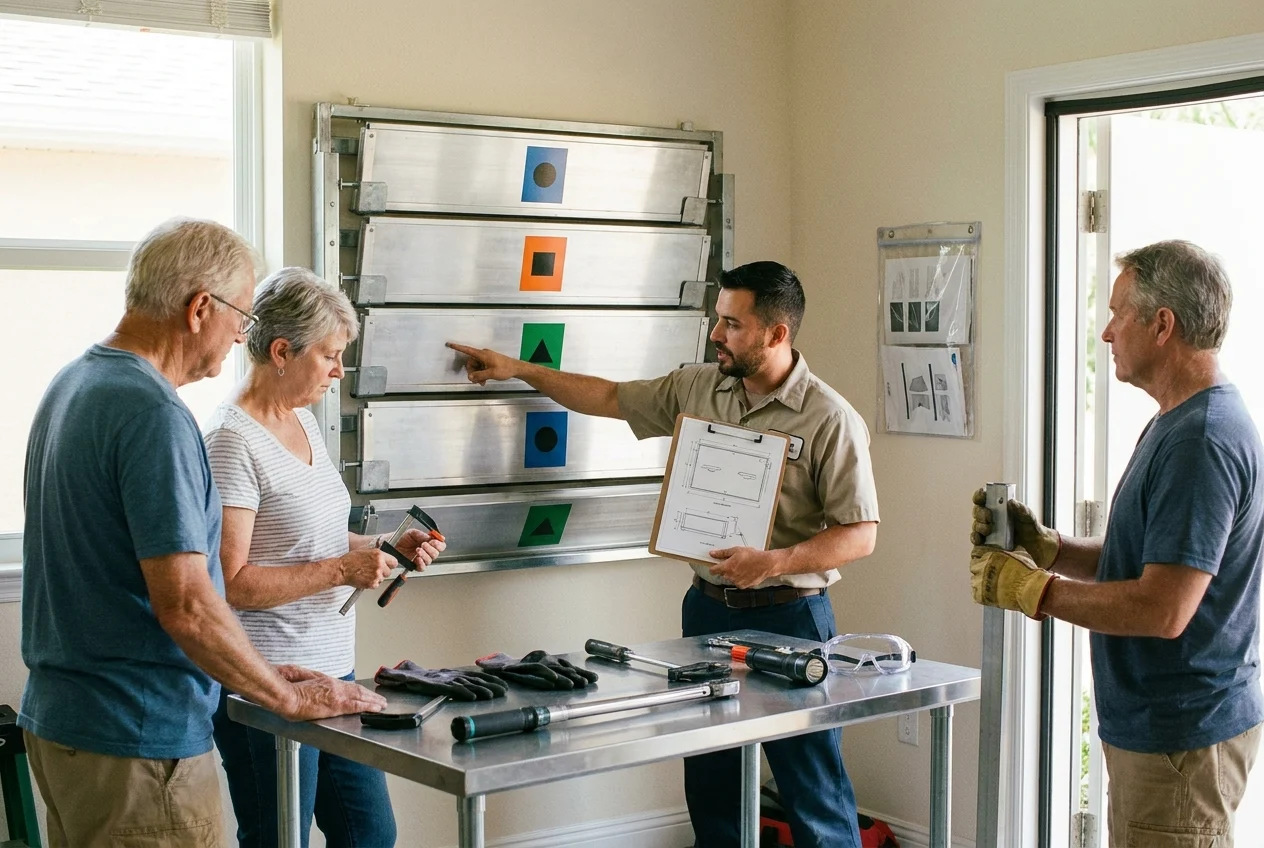
Arrange stored components in deployment order and identify them with durable labels that match the site drawings. Group hardware, tools, braces, and seal components with the opening or barrier section they serve.
Post an inventory at the storage location and verify it after every drill, deployment, and maintenance activity. Do not allow barrier tools or fasteners to become general-purpose equipment.
Control Corrosion, Wear, and Material Deterioration
Address Corrosion Early
Surface rust, white oxidation, blistered coatings, pitting, and staining around fasteners can indicate moisture intrusion or incompatible metals. Clean and treat affected areas using approved methods, then inspect for loss of material or reduced connection strength.
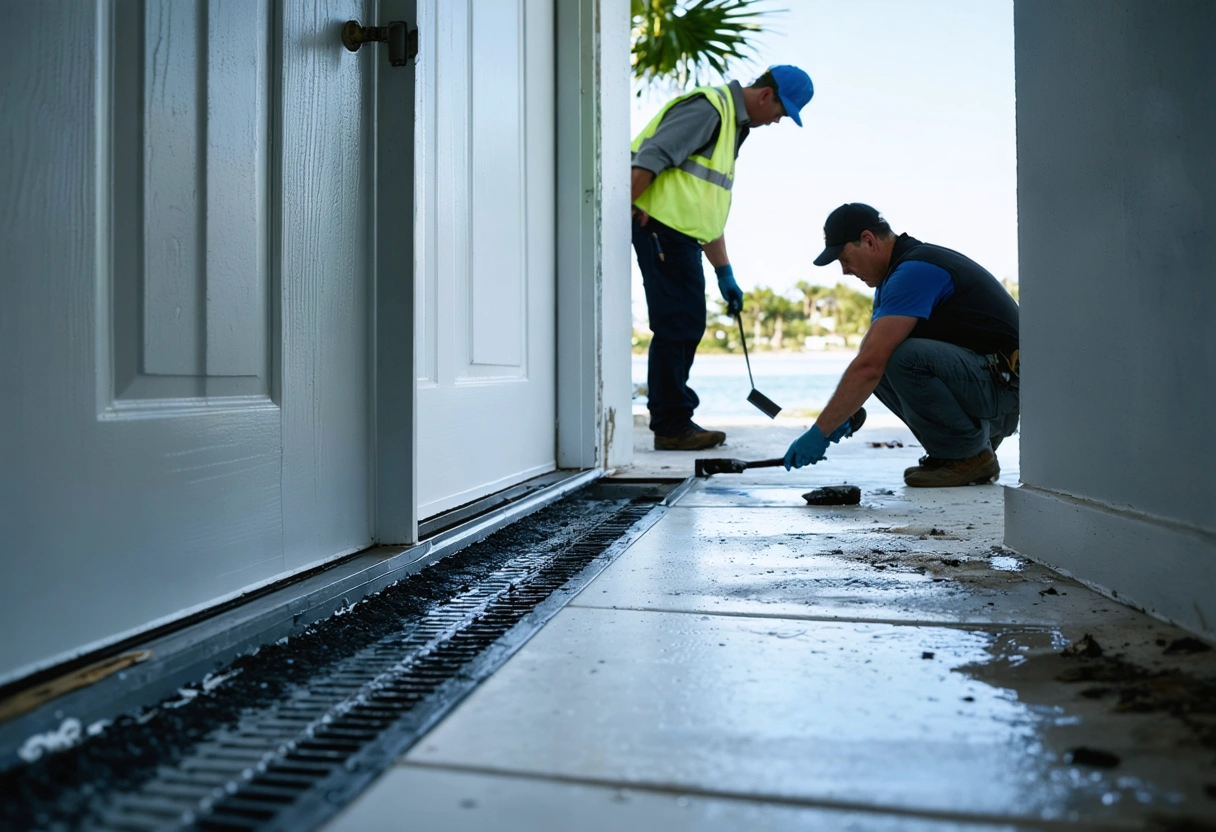
Pay close attention to outdoor anchors, embedded frames, ground-level tracks, and locations exposed to deicing salts or coastal air. Water can collect inside recesses and hollow components even when visible surfaces appear dry.
Protect Seals and Polymer Components
Rubber seals and polymer components can harden, shrink, swell, crack, or lose elasticity with age and chemical exposure. Check for discoloration, tackiness, permanent compression, and separation from mounting surfaces.
Protect these components from prolonged sunlight, excessive heat, freezing conditions, oils, solvents, and ozone-producing equipment. Record installation dates where service life is limited, and replace components based on condition, age, and manufacturer guidance rather than waiting for visible failure.
Document Inspections, Defects, and Repairs
Accurate records help teams identify recurring problems, confirm that maintenance was completed, and demonstrate that the system remains ready for service. Use a standardized checklist that identifies each opening, barrier section, component, and supporting device.
Track Defects Through Completion
Classify defects according to urgency. Conditions that could prevent deployment or reduce structural or sealing performance should be corrected immediately. Less critical issues should still receive an assigned owner, target date, and documented closeout.
Mark defective components clearly and separate them from serviceable inventory. After repair or replacement, verify compatibility, inspect the completed work, and perform an operational test when appropriate.
Use Maintenance History to Improve Reliability
Review inspection records periodically for repeated seal damage, corrosion, missing hardware, slow deployment, or leakage at the same locations. Recurring defects may indicate poor storage, inadequate training, site movement, drainage problems, or an unsuitable repair method.
Train Personnel and Maintain Clear Procedures
Keep Instructions Available at the Point of Use
Maintain concise deployment instructions in both the storage area and the site emergency plan. Include diagrams, component identification, required tools, crew assignments, contact information, safety precautions, and the sequence for closing each opening.
Update procedures after drills, actual deployments, staffing changes, building modifications, or equipment replacement. Convert lessons learned into specific improvements, such as revised labels, better staging, additional lighting, safer lifting equipment, or clearer responsibility for final inspection.
Plan Repairs, Replacements, and Professional Assessments
Repairs should preserve the original design capacity and should not introduce incompatible materials or unverified modifications. Welding, drilling, straightening, coating removal, seal substitution, and anchor replacement can affect structural performance or manufacturer approvals.
Establish replacement criteria for seals, hardware, flexible materials, pumps, batteries, and other parts with limited service lives. Keep critical spares on site when lead times are long or failure would leave an important opening unprotected.
Reassess the System When Site Conditions Change
Request a technical review after structural movement, major impact, significant corrosion, repeated leakage, or changes to expected flood depth and flow. Building renovations, resurfacing, new utilities, altered drainage, and settlement can change how a barrier fits or how water reaches the protected area.
A reliable maintenance program combines frequent observation, periodic full deployment, prompt repair, disciplined storage, trained personnel, and complete records. When these activities become part of routine facility management, flood barriers are more likely to perform as designed season after season.
Need help with How to Maintain and Inspect Flood Barrier Systems for Reliable Protection Season After Season?