





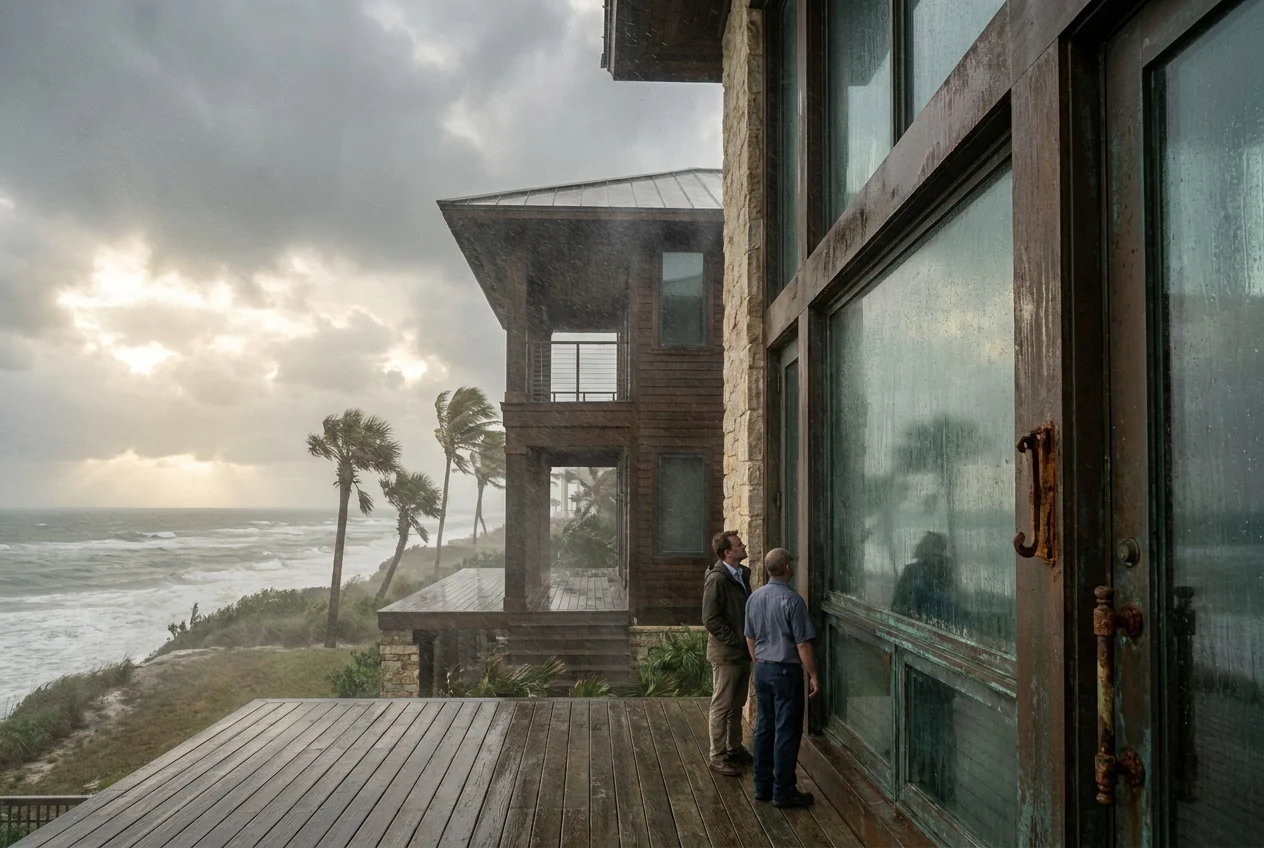
Coastal homes face some of the toughest conditions a window system can endure. Salt air, wind-driven rain, high humidity, intense sunlight, and seasonal storms all work together to test the strength of frames, glass, seals, hardware, and the surrounding wall assembly.
While high-quality window products matter, the way those windows are installed often determines how long they will perform as intended. Professional installation helps protect against water intrusion, air leakage, corrosion, seal failure, and structural stress, all of which can shorten window lifespan in coastal environments.
Why Coastal Conditions Are So Hard on Windows
Windows in coastal areas are exposed to moisture far more frequently than windows in inland homes. Even when there is no direct rainfall, salt-laden air can settle on frames, tracks, fasteners, and hardware. Over time, this can contribute to corrosion, pitting, discoloration, and mechanical wear, especially when materials and installation methods are not suited for marine conditions.
Wind is another major factor. Coastal properties often experience stronger gusts, wind-driven rain, and pressure changes during storms. If a window is not properly anchored, shimmed, sealed, and flashed, these forces can cause small gaps to form around the frame. Once gaps develop, water and humid air can enter the wall cavity, leading to hidden damage that may not become visible until years later.
Sun exposure also plays a role in window aging. Ultraviolet light and heat can cause certain sealants, gaskets, and frame materials to expand, contract, dry out, or degrade. In coastal homes, this thermal movement is often combined with moisture and salt exposure, creating a more aggressive environment for windows and the materials surrounding them.

How Professional Installation Supports Long-Term Performance
Professional window installation is not simply a matter of placing a window into an opening. In coastal areas, it involves evaluating the rough opening, confirming that the window is correctly sized, using compatible sealants, applying proper flashing methods, and securing the unit according to manufacturer specifications and local building requirements. Each step helps the window resist water, wind, and movement over time.
One of the most important parts of installation is water management. A properly installed coastal window should direct water away from the structure rather than trapping it behind the frame or inside the wall. This typically requires careful flashing at the sill, sides, and head of the opening, along with sealants that can withstand humidity, salt exposure, and repeated expansion and contraction.
Correct fastening is also essential for longevity. Windows that are over-tightened can become distorted, which may interfere with operation and place stress on the glass or seals. Windows that are under-secured may shift under wind pressure. Professional installers understand how to balance secure attachment with proper alignment so the window remains stable, square, and functional.
Another key benefit of professional installation is attention to material compatibility. Not all fasteners, foams, caulks, and flashing tapes perform well in coastal environments. Using the wrong products can accelerate corrosion or cause seal failure. Experienced installers choose materials designed to work together and to withstand the demanding conditions common near the ocean.
The Role of Flashing in Coastal Window Longevity
Flashing is one of the most important defenses against premature window failure, especially in coastal climates where rain rarely falls straight down. During strong winds, water can be pushed upward, sideways, and into tiny openings around a window frame. Without a properly layered flashing system, moisture can move behind siding, soak into framing, and remain trapped long after the storm has passed.
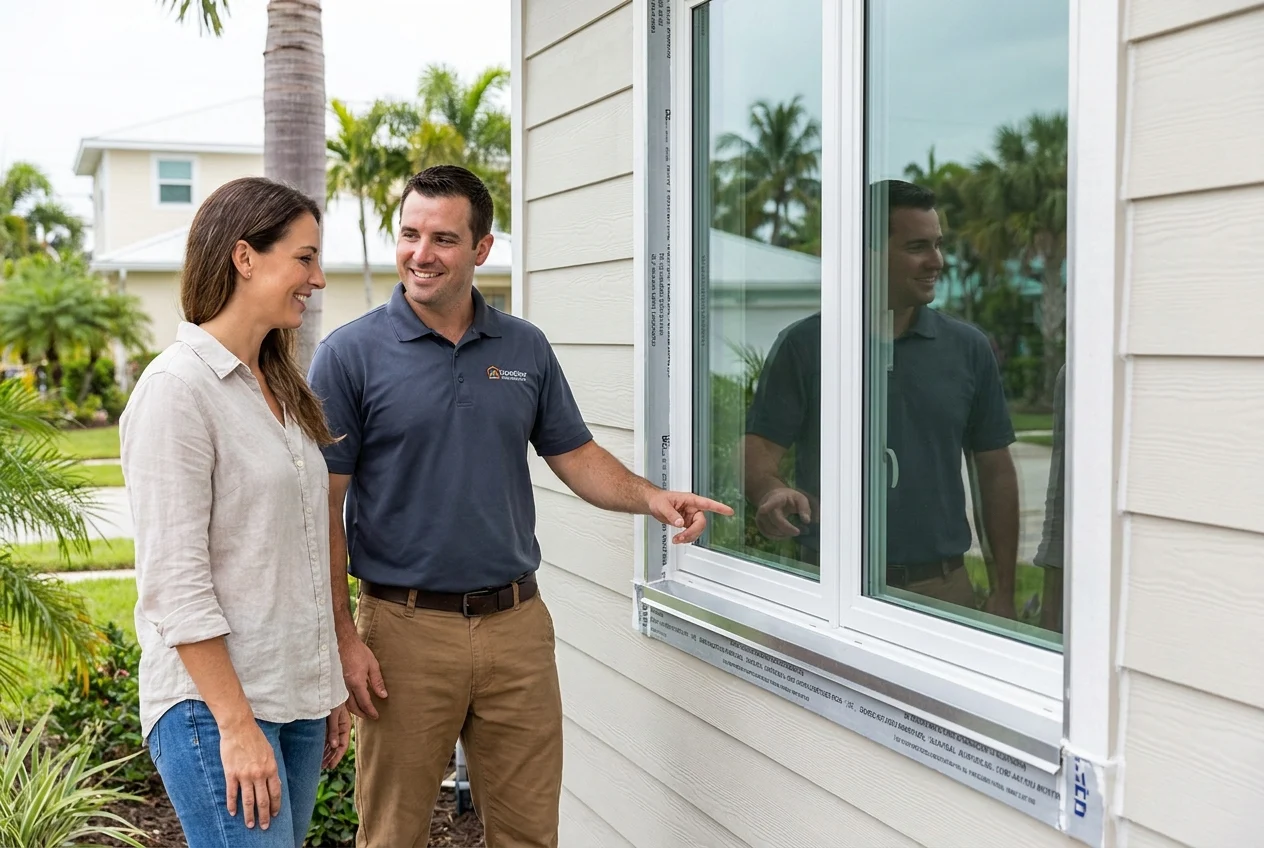
A professional installation treats flashing as a drainage system, not just as a strip of tape. The sill area is especially critical because it is where water naturally collects. A properly prepared sill pan or sloped sill detail helps direct moisture outward before it reaches the wall cavity. Side flashing and head flashing must then be integrated in the correct order so water sheds down and away from the opening.
In coastal homes, the quality of the flashing material matters as much as the layout. Some tapes and membranes lose adhesion when exposed to humidity, salt, heat, or textured building materials. Professional installers select products that are compatible with the window frame, sheathing, weather-resistant barrier, and exterior cladding. This reduces the chance of peeling, cracking, or chemical incompatibility that could compromise the installation.
Sealants, Caulking, and the Problem of Hidden Water Intrusion
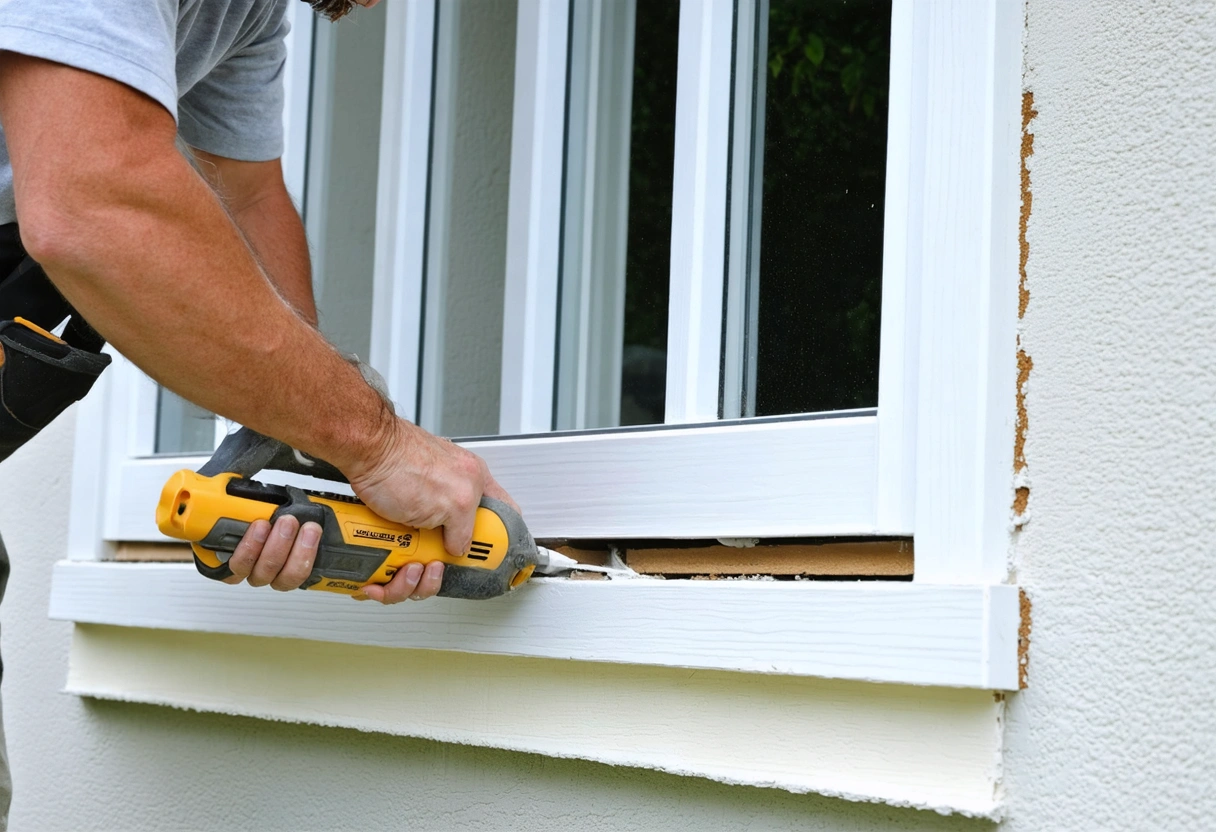
Sealants are often misunderstood. Many homeowners assume that a thick bead of caulk around the exterior is enough to keep water out. In reality, sealant is only one part of a complete water management strategy. It must be applied to clean, dry, properly prepared surfaces, and it must be flexible enough to move with the window and surrounding structure.
Coastal environments place constant stress on caulking and sealants. Heat causes materials to expand, cooler temperatures cause contraction, and high humidity slows drying and curing. Salt can also affect adhesion and surface durability. If the wrong sealant is used, or if it is applied too thinly, too thickly, or over contaminated surfaces, it may fail long before the window itself wears out.
Professional installers know where sealant should be continuous and where drainage paths must remain open. This distinction is essential. Sealing every visible gap without understanding how the window drains can trap water inside the frame or behind the cladding. Over time, trapped moisture can damage wood framing, corrode metal components, encourage mold growth, and reduce the useful life of the window assembly.
Structural Fit, Alignment, and Everyday Operation
A window that is slightly out of square may still look acceptable on the day it is installed, but small alignment problems often become expensive performance issues. In coastal areas, where wind pressure and moisture exposure are high, a misaligned window may allow air infiltration, water leakage, and uneven stress on the sash and frame. These conditions can shorten the life of the window and make it harder to operate.
Professional installers check the opening for level, plumb, square, and structural soundness before the window is secured. If the rough opening has rot, movement, swelling, or framing irregularities, these issues must be corrected before installation continues. Installing a new window into a compromised opening may conceal the problem temporarily, but it usually allows damage to continue behind the finished surfaces.
Proper shimming is also a major factor in long-term performance. Shims help support the window at key load points and prevent the frame from bowing or twisting. When shims are placed incorrectly, the window may bind, the sash may not lock tightly, and weatherstripping may not compress evenly. Over time, this can cause drafts, leaks, hardware strain, and premature wear.
Why Coastal Hardware and Fasteners Need Special Attention
Window longevity depends on more than glass and frames. Locks, hinges, rollers, screws, brackets, and other small components often determine whether the window continues to function smoothly after years of salt exposure. In a coastal home, ordinary metal fasteners may rust quickly, leaving stains on the frame or weakening the attachment of the window to the structure.
Professional installation includes choosing corrosion-resistant fasteners and hardware suited to the local environment. Stainless steel, coated fasteners, and manufacturer-approved components are commonly used to reduce the risk of rust and galvanic corrosion. This is particularly important when different metals come into contact with each other in the presence of salty moisture.
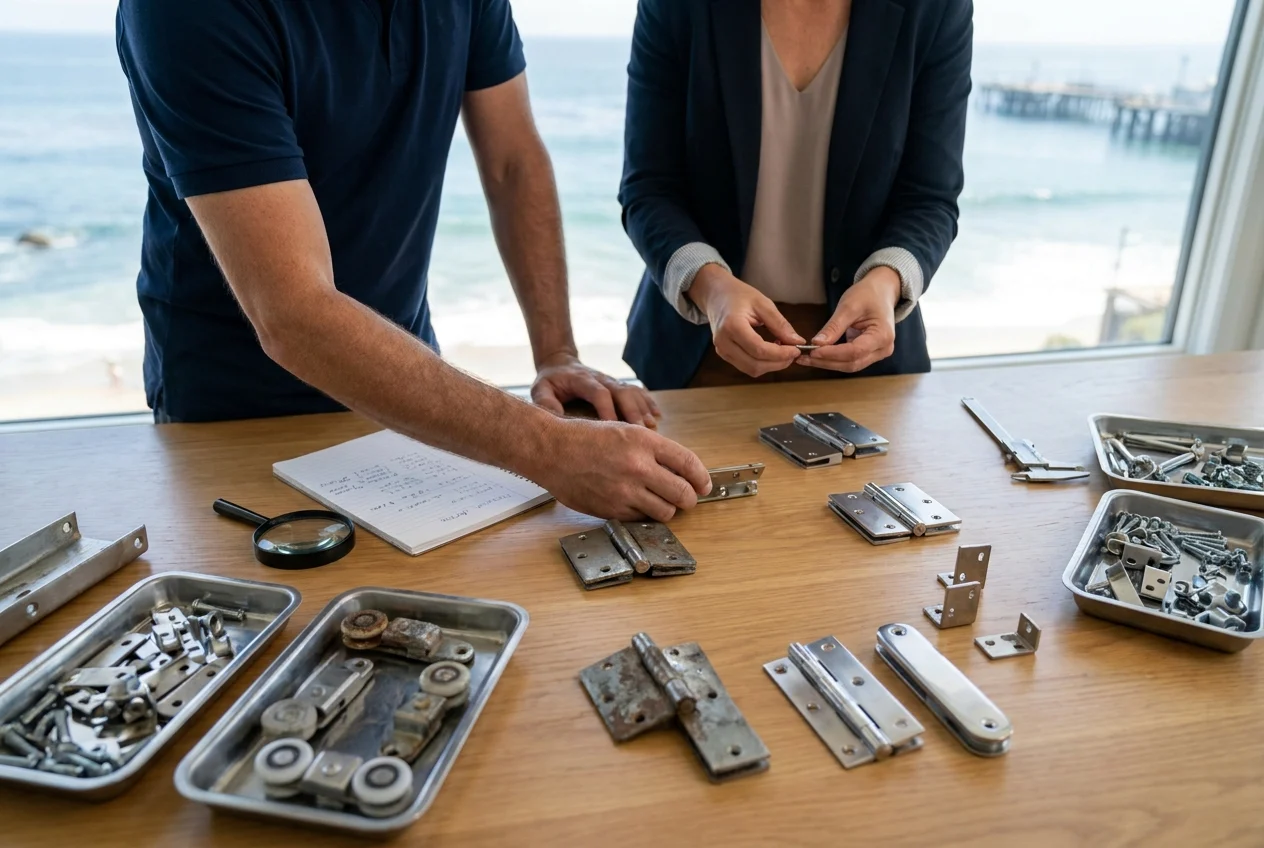
Improper fastener selection can create problems that are difficult to see at first. A screw may appear secure after installation, yet slowly corrode inside the frame or wall assembly. As corrosion progresses, the fastener can lose holding power. In a high-wind coastal event, weakened fastening points may allow movement, leaks, or structural failure around the window opening.
Energy Efficiency and Interior Comfort in Humid Marine Climates
Professional installation also affects energy performance. Coastal homes often deal with humid outdoor air, strong sun, and frequent temperature differences between indoor and outdoor spaces. If windows are poorly sealed or insulated around the frame, conditioned air can escape while humid air enters. This places extra demand on heating and cooling systems and can make rooms feel damp or uncomfortable.
The space between the window frame and the rough opening must be insulated carefully. Expanding foam, backer rod, and sealant must be used in ways that limit air leakage without distorting the frame. Too much pressure from foam can bow the window and interfere with operation. Too little insulation can leave hidden gaps that reduce efficiency and invite condensation.
Condensation is a common concern in coastal homes. While glass selection plays a role, installation quality is also important. Air leaks around the frame can allow humid air to reach cooler surfaces, where moisture may collect. Persistent condensation can damage trim, stain finishes, encourage mildew, and make homeowners think the window is defective when the true issue is the installation.
Protecting the Wall Assembly Around the Window
A window is part of a larger building system. Its performance depends on how well it connects to the exterior cladding, weather barrier, insulation, and interior finishes. In coastal areas, this connection is especially important because water intrusion often starts at transitions. A well-installed window protects not only the unit itself, but also the surrounding wall assembly.
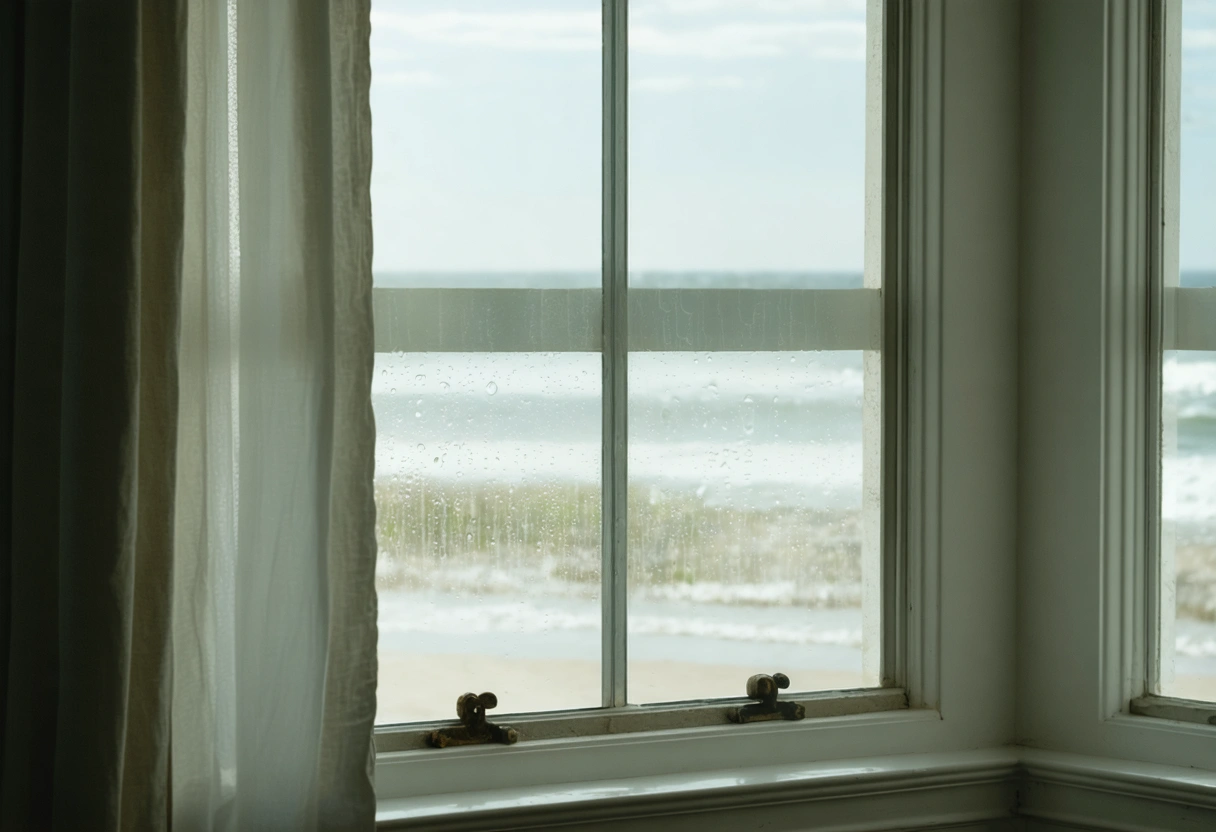
When installation is rushed or incomplete, water may enter behind siding or stucco and remain hidden inside the wall. This can lead to wood rot, sheathing damage, insulation deterioration, and indoor air quality concerns. By the time staining, bubbling paint, soft drywall, or musty odors appear, the damage may already be extensive.
Professional installers look for signs that the wall assembly needs repair before the new window is installed. They may identify deteriorated framing, failed housewrap, insect damage, or previous leaks. Addressing these issues during installation helps prevent the new window from being blamed for old or unresolved moisture problems.
The Cost of Poor Installation Over Time
Choosing improper installation to save money can become costly in a coastal setting. A window that leaks, shifts, corrodes, or fails prematurely may require repeated caulking, service calls, drywall repair, trim replacement, or full reinstallation. These costs often exceed the difference between a low-quality installation and a professional one.
Poor installation can also affect
Need help with The Impact of Professional Installation on Window Longevity in Coastal Areas?