





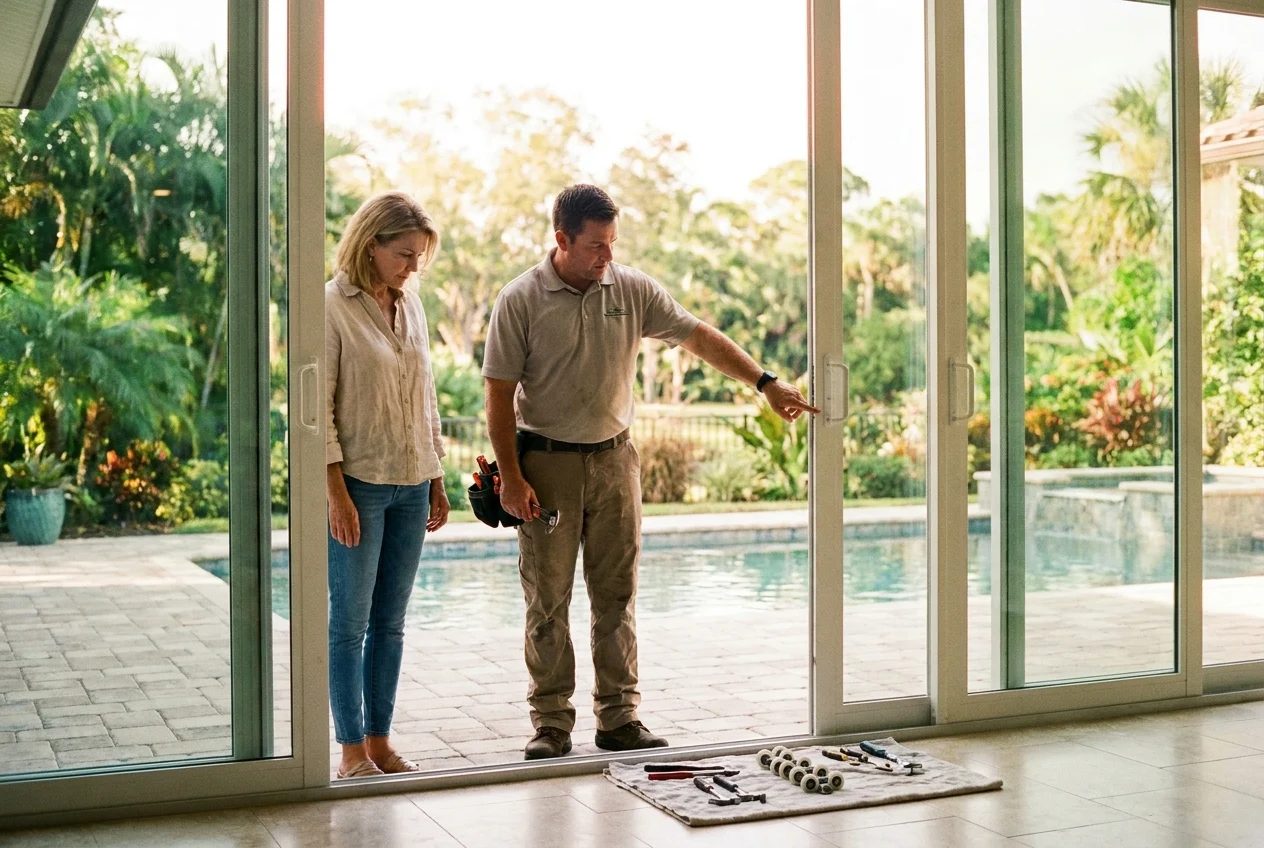
Sliding glass doors are a practical and attractive feature in many Florida homes, especially where patios, lanais, pool decks, and waterfront views are part of daily life. Their wide glass panels bring in natural light, help connect indoor and outdoor spaces, and make entertaining easier. However, Florida’s climate can be demanding on these door systems, and small maintenance issues can quickly become larger problems if they are ignored.
Heat, humidity, salt air, wind driven rain, sand, and frequent use can all affect how smoothly a sliding glass door opens, closes, locks, and seals. With the right care routine, homeowners can extend the life of their doors, reduce costly repairs, and keep their home more comfortable and secure throughout the year.

Why Florida Weather Is Tough on Sliding Door Systems
Florida’s environment creates a unique set of challenges for sliding glass doors. In coastal areas, salt particles in the air can settle on tracks, frames, rollers, locks, and hardware. Over time, this buildup may contribute to corrosion, stiffness, and premature wear. Even homes that are not directly on the beach can experience the effects of salty air, especially when breezes carry moisture inland.
Humidity is another major factor. High moisture levels can encourage mildew growth around tracks and seals, while also causing certain metal components to oxidize faster. When humidity combines with dust, pollen, sand, and outdoor debris, it can form a gritty residue inside the bottom track. This residue makes the rollers work harder every time the door moves.
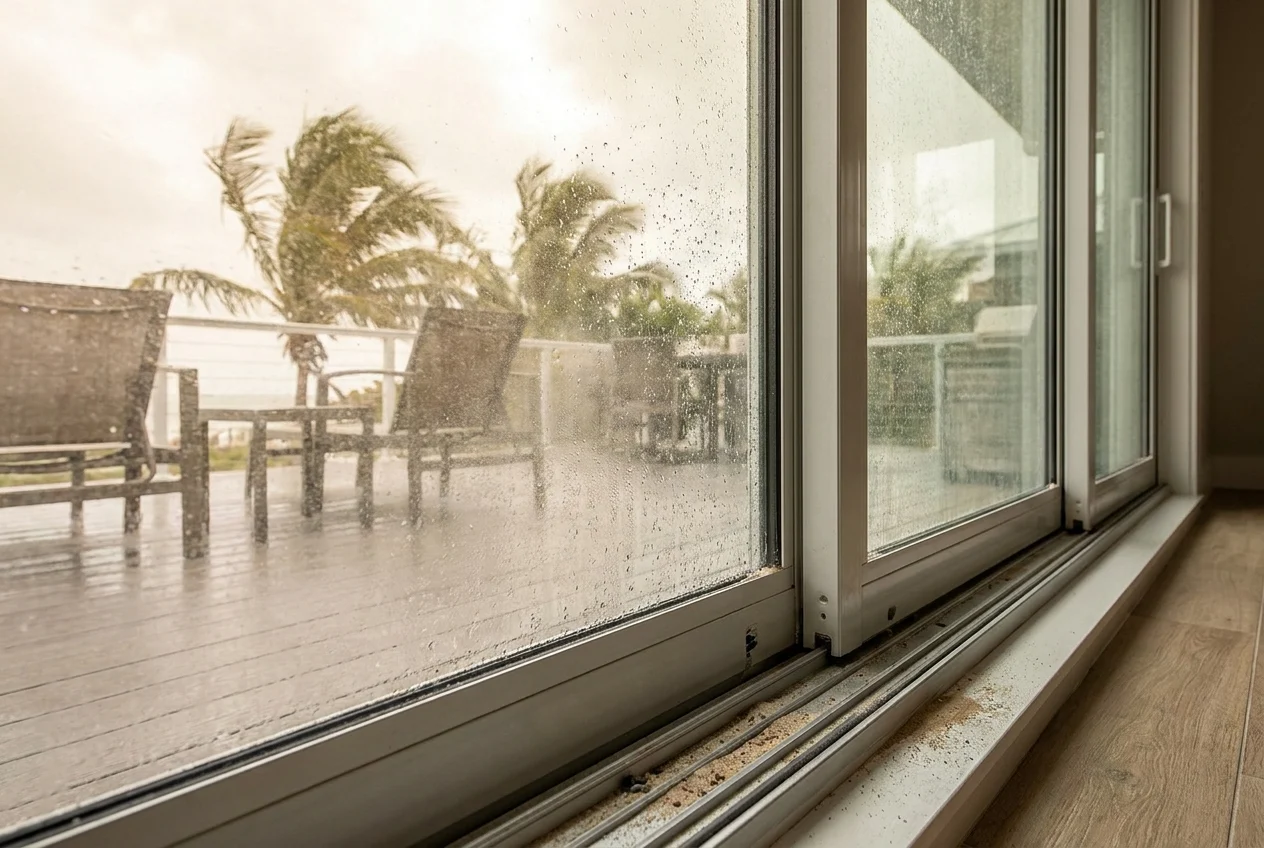
Heat, Expansion, and Daily Wear
Florida’s intense sun can also affect sliding glass doors. Prolonged heat may cause some frame materials, weatherstripping, and seals to expand, contract, dry out, or lose flexibility. If the door is exposed to direct sunlight for much of the day, these changes may become more noticeable over time. A door that once slid easily may begin to drag, stick, or require extra force to open.
Daily use adds to the strain. Sliding glass doors often serve as the main access point to patios, pools, and outdoor living areas, which means they may be opened and closed many times a day. When dirt collects in the track or rollers begin to wear down, this frequent movement can accelerate damage and lead to misalignment, noisy operation, or locking problems.
Routine Cleaning Habits That Protect Tracks, Rollers, and Glass
Regular cleaning is one of the simplest and most effective ways to maintain sliding glass doors in Florida’s climate. The bottom track should be kept free of sand, leaves, pet hair, insects, and other debris. Even a small amount of buildup can interfere with the rollers and make the door harder to slide. When the rollers are forced to move over dirt and grit, they may flatten, crack, or wear unevenly.
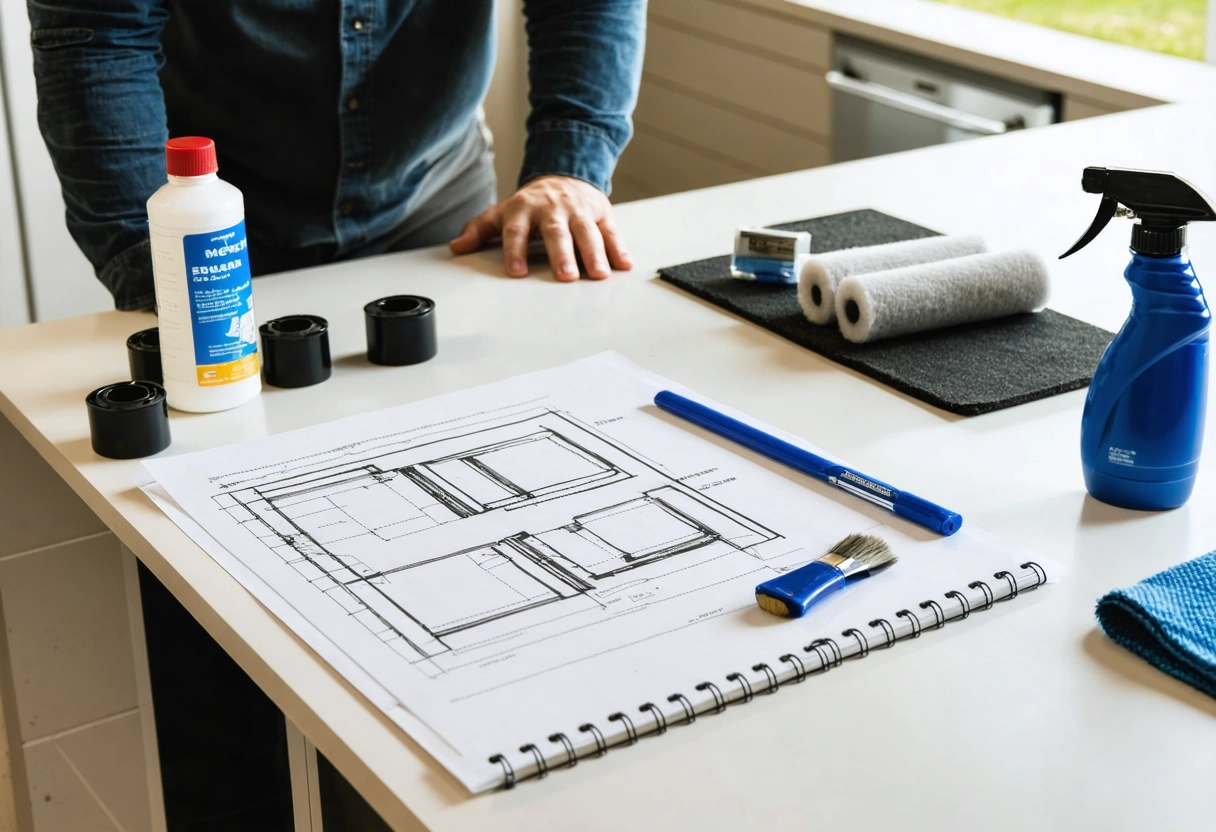
A basic cleaning routine can help prevent these issues before they affect the door’s performance. Homeowners should vacuum the track frequently using a narrow attachment, then wipe it with a damp cloth to remove fine particles. For stubborn grime, a mild soap and water solution can be used, followed by a clean damp wipe to remove residue. Harsh chemicals should generally be avoided because they may damage finishes, seals, or nearby flooring materials.
Cleaning the Track Without Damaging Components
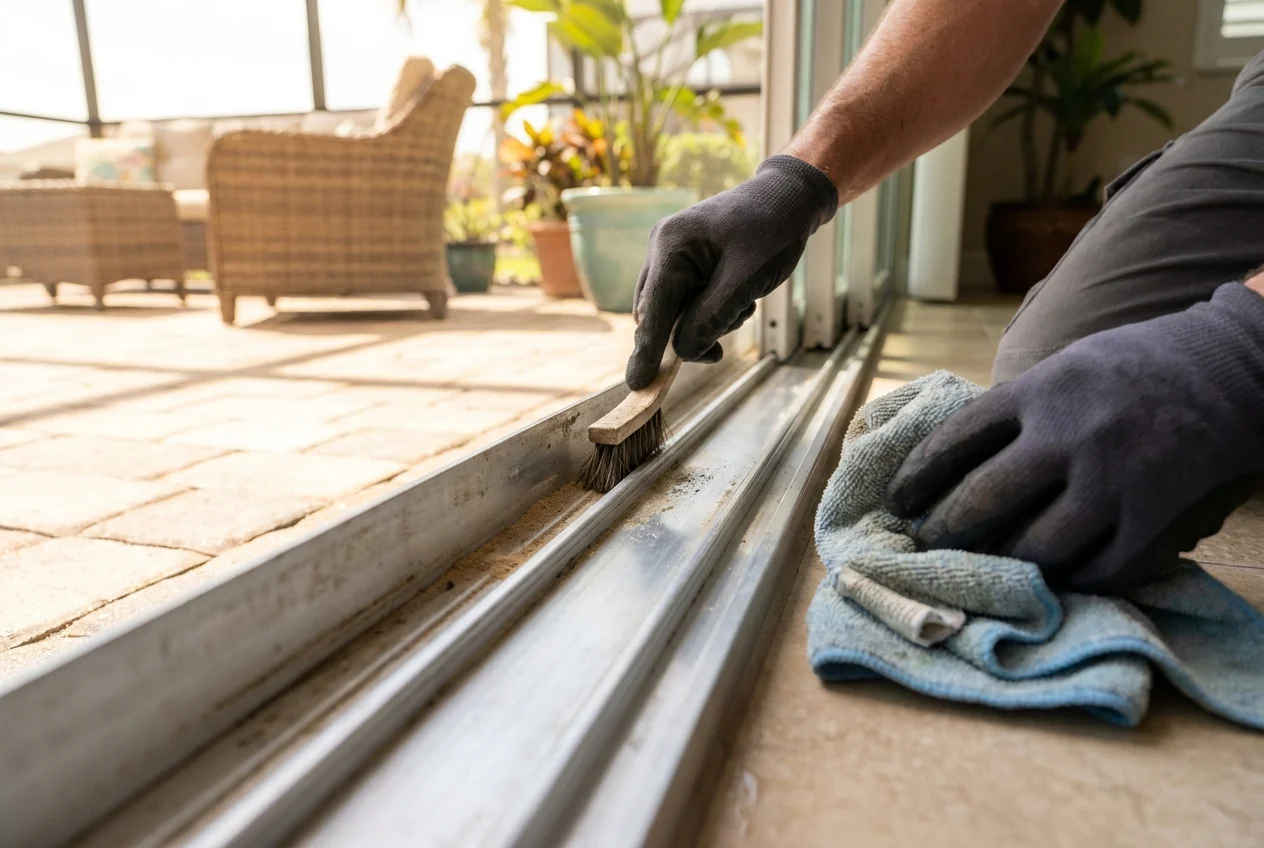
When cleaning the track, it is important to avoid flooding the area with water. Excess moisture can settle into hidden areas and may contribute to corrosion or mildew. Instead, use controlled amounts of water and dry the track afterward. A small brush, such as an old toothbrush, can help loosen debris from corners and narrow grooves where dirt tends to collect.
The visible frame and glass should also be cleaned regularly, especially in coastal environments. Salt residue can leave a cloudy film on glass and may gradually affect metal surfaces. Rinsing exterior glass and frames with fresh water, then cleaning with a non abrasive glass cleaner or mild solution, can help preserve appearance and function. Always use soft cloths or non scratch pads to avoid damaging the surface.
Maintenance Tasks to Add to a Monthly Checklist
A monthly maintenance routine does not need to be complicated. The goal is to keep the moving parts clean, monitor the door’s operation, and catch early signs of wear. If the door starts making grinding sounds, feels unusually heavy, or no longer lines up properly with the lock, those symptoms should not be ignored.
- Vacuum the bottom track to remove sand, dust, and debris.
- Wipe the track with a damp cloth and dry it thoroughly.
- Clean glass panels and frames to remove salt, pollen, and residue.
- Check weatherstripping for cracks, gaps, looseness, or brittleness.
- Test the lock to confirm the latch engages smoothly and securely.
- Listen for scraping, grinding, or squeaking when the door slides.
- Look for signs of corrosion on screws, handles, rollers, and exposed hardware.
<p
Need help with Maintaining Your Sliding Glass Doors: Expert Tips for Longevity in Florida’s Climate?
Contact Home Install Services Today!
</p