





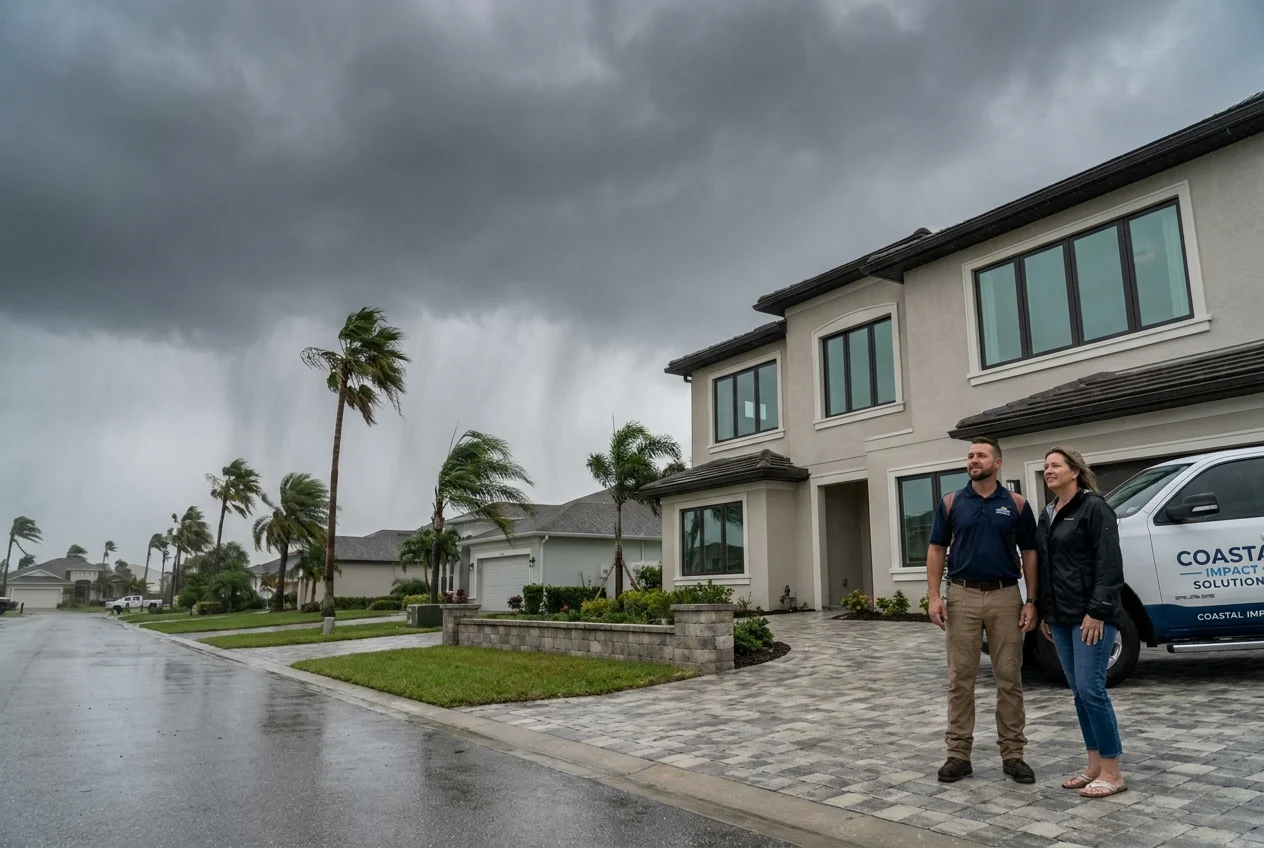
For Florida homeowners, windows are more than a design choice. They influence storm protection, energy performance, insurance conversations, indoor comfort, security, resale value, and the amount of preparation needed when hurricane season arrives.
Traditional windows can work well in many parts of the country, but Florida’s wind, rain, humidity, salt air, and building code environment create a unique set of demands. Understanding how impact windows compare with standard glass windows helps homeowners make a confident decision before the next storm warning is issued.
Why Florida Homes Face a Different Window Decision
Florida sits in one of the most hurricane-exposed regions in the United States. Coastal communities, inland neighborhoods, high-rise condos, and single-family homes can all experience storm conditions that place extreme pressure on windows and doors. Wind is only part of the issue. Wind-driven debris, rapid pressure changes, heavy rain, and repeated tropical systems can all test the weakest parts of a home’s exterior envelope.
Windows are especially important because they are openings in the structure. When a window fails during a severe storm, wind and rain can enter the home, damage belongings, soak drywall, and increase internal pressure. In severe cases, that pressure can contribute to roof or wall failure. The window decision is therefore not just about glass thickness. It is about protecting the structure, the people inside, and the long-term value of the property.
Florida homeowners also face a practical reality: storm preparation takes time. Putting up plywood or installing shutters before every threat can be stressful, especially for elderly homeowners, seasonal residents, families with busy schedules, and people who travel often. Impact windows are popular because they are always in place. Traditional windows usually require an additional protection system to provide comparable storm readiness.

How Traditional Windows Are Built and Where They Fall Short
Traditional residential windows are typically designed for normal weather, daily ventilation, light, and aesthetics. Many are made with single-pane glass or standard insulated glass units, which may include two panes separated by a spacer for improved energy efficiency. The frame may be aluminum, vinyl, wood, fiberglass, or composite. These products can perform well in calm climates, but they are not automatically engineered for hurricane debris impact.
The biggest weakness of traditional glass is breakage. A tree branch, roof tile, patio chair, or airborne object can shatter an unprotected window during a storm. Once the glass is broken, the home is exposed to rain and wind. Even if the frame remains in place, broken glass can create dangerous conditions inside the house and allow water intrusion that may lead to mold, flooring damage, electrical issues, and costly repairs.
Traditional windows can be paired with shutters, panels, or plywood. This can improve storm protection, but it introduces a human factor. Protection only works if it is installed correctly and early enough. Plywood must be properly anchored, not simply nailed into trim. Metal panels need to be stored, labeled, lifted, and attached before storms arrive. Accordion and roll-down shutters are more convenient, but they still require maintenance and operation.
Another limitation is long-term security. Standard glass can usually be broken more easily than impact-resistant laminated glass. While locks and frames matter, the glass itself is a key part of the barrier. Homeowners who choose traditional windows may need to consider additional security devices, films, or shutters if forced entry resistance is a major concern.
What Makes Impact Windows Different
Impact windows are engineered as a complete system, not just a stronger piece of glass. They generally use laminated glass made of two or more layers bonded around a tough interlayer. If the glass cracks from impact, the interlayer is designed to help hold the broken pieces together and keep the opening covered. This is similar in concept to automotive windshield glass, although impact windows are built and tested for building applications.
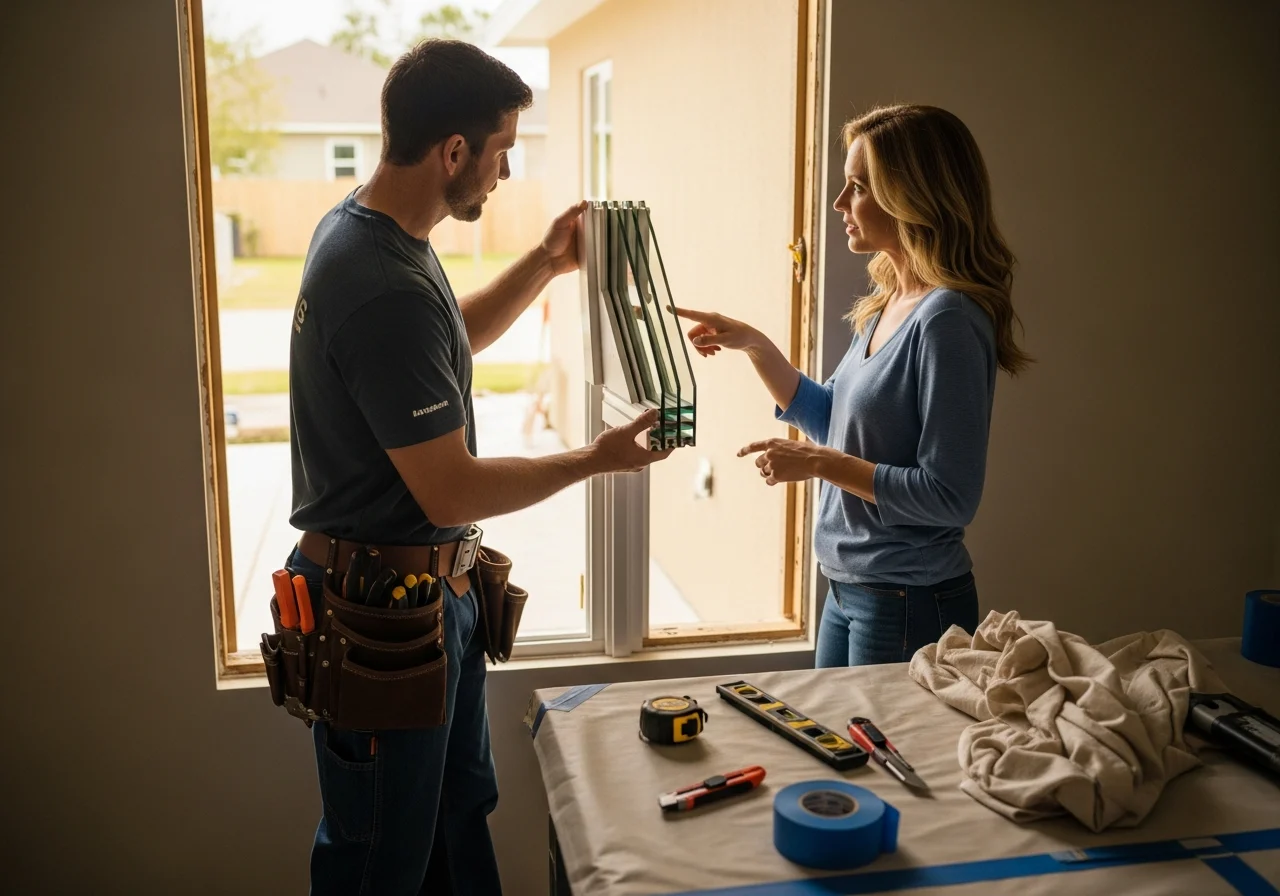
The glass is only one component. The frame, fasteners, glazing method, reinforcement, and installation all matter. A high-quality impact window must be able to resist wind pressure and debris impact according to the rating it carries. If the frame is weak or the window is installed incorrectly, the product may not perform as intended. That is why professional installation and correct product selection are so important in Florida.
Impact windows are tested to specific standards that simulate storm conditions. These tests can involve launching a projectile at the glass and then cycling the unit through positive and negative pressure. The goal is to determine whether the window can remain intact enough to protect the opening after impact. This differs sharply from ordinary windows, which may be rated for wind load but not necessarily for debris impact.
Florida’s most vulnerable areas may have requirements related to wind-borne debris regions and high-velocity hurricane zones. Homeowners can learn more about storm risk from the National Hurricane Center’s guide to hurricane hazards, which explains how wind, rain, storm surge, and tornadoes can affect communities. The key takeaway is that window performance should be matched to local exposure, not chosen by appearance alone.
Storm Protection: The Most Obvious Difference
The main reason Florida homeowners consider impact windows is storm protection. When debris hits a traditional window, the glass can break away and leave the interior open. When debris hits a properly rated impact window, the glass may crack, but the laminated interlayer is designed to help keep the barrier in place. This can significantly reduce the chance of wind and rain entering through that opening.
It is important to understand that impact resistant does not mean unbreakable. A strong enough object can crack the glass. The performance advantage is that the window is designed to remain a protective barrier even after cracking. This distinction matters because many homeowners assume impact glass will look perfect after a major storm. In reality, a damaged impact window may need replacement, but it may still prevent catastrophic interior exposure during the event.
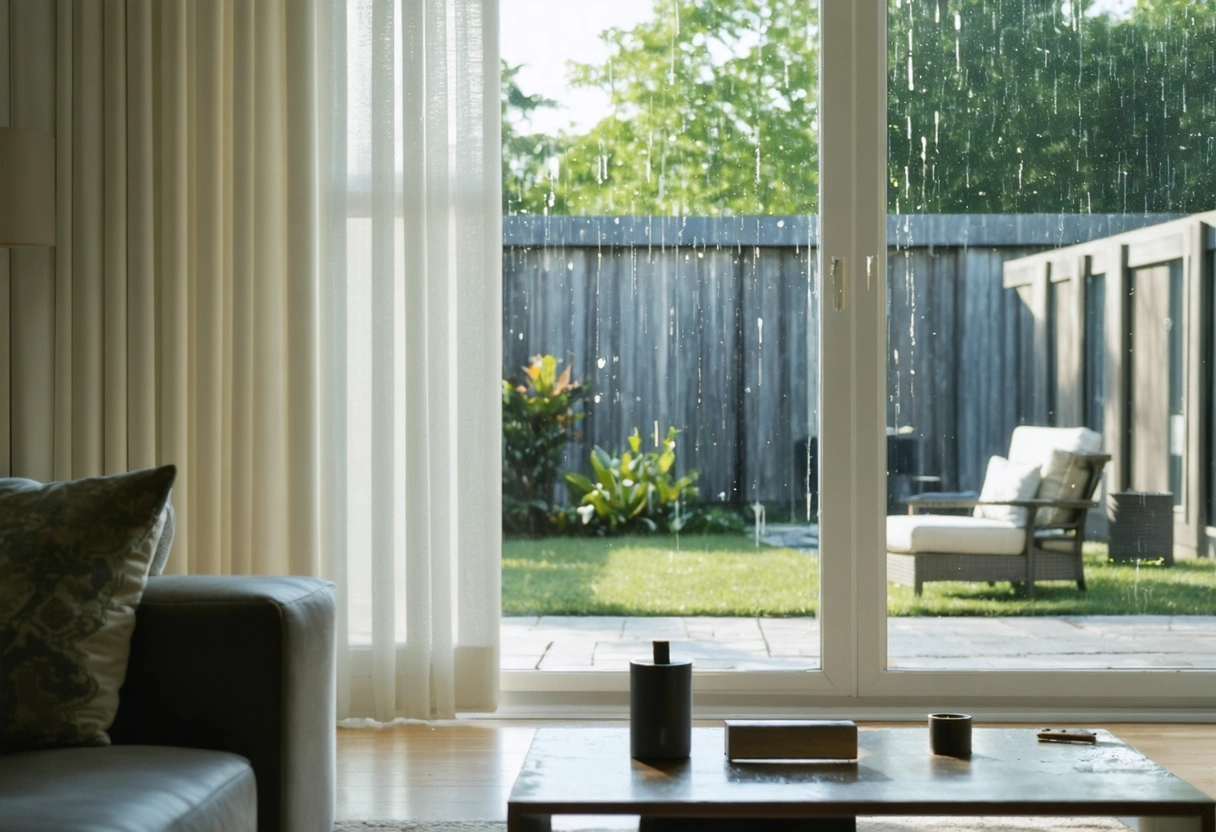
Traditional windows can offer strong protection when paired with properly installed hurricane shutters. In some cases, a standard window plus a code-approved shutter system may provide excellent storm readiness. The difference is convenience and consistency. Impact windows are passive protection. They do not require last-minute installation. Shutters are active protection. Someone must close, deploy, or install them before the storm arrives.
This convenience can be critical. Storms can change direction quickly. Evacuation orders, work schedules, supply shortages, and physical limitations can make last-minute preparation difficult. For homeowners who do not want to climb ladders or lift heavy panels, impact windows provide a major lifestyle benefit in addition to storm performance.
Energy Efficiency, Comfort, and Noise Reduction
Impact windows can also improve everyday comfort. Many products are available with insulated glass, low-emissivity coatings, tinted glass, or other energy-related features. These options can help reduce solar heat gain, which is especially valuable in Florida’s warm climate. Less heat entering the home can reduce strain on the air conditioning system and make rooms feel more comfortable during intense afternoon sun.
Traditional windows vary widely in energy performance. Older single-pane windows often allow significant heat transfer and may feel hot near west-facing rooms. Drafty frames, worn weatherstripping, and poor seals can also make cooling more expensive. Newer traditional insulated windows can be efficient, but they do not necessarily include impact protection unless specifically built and rated for that purpose.
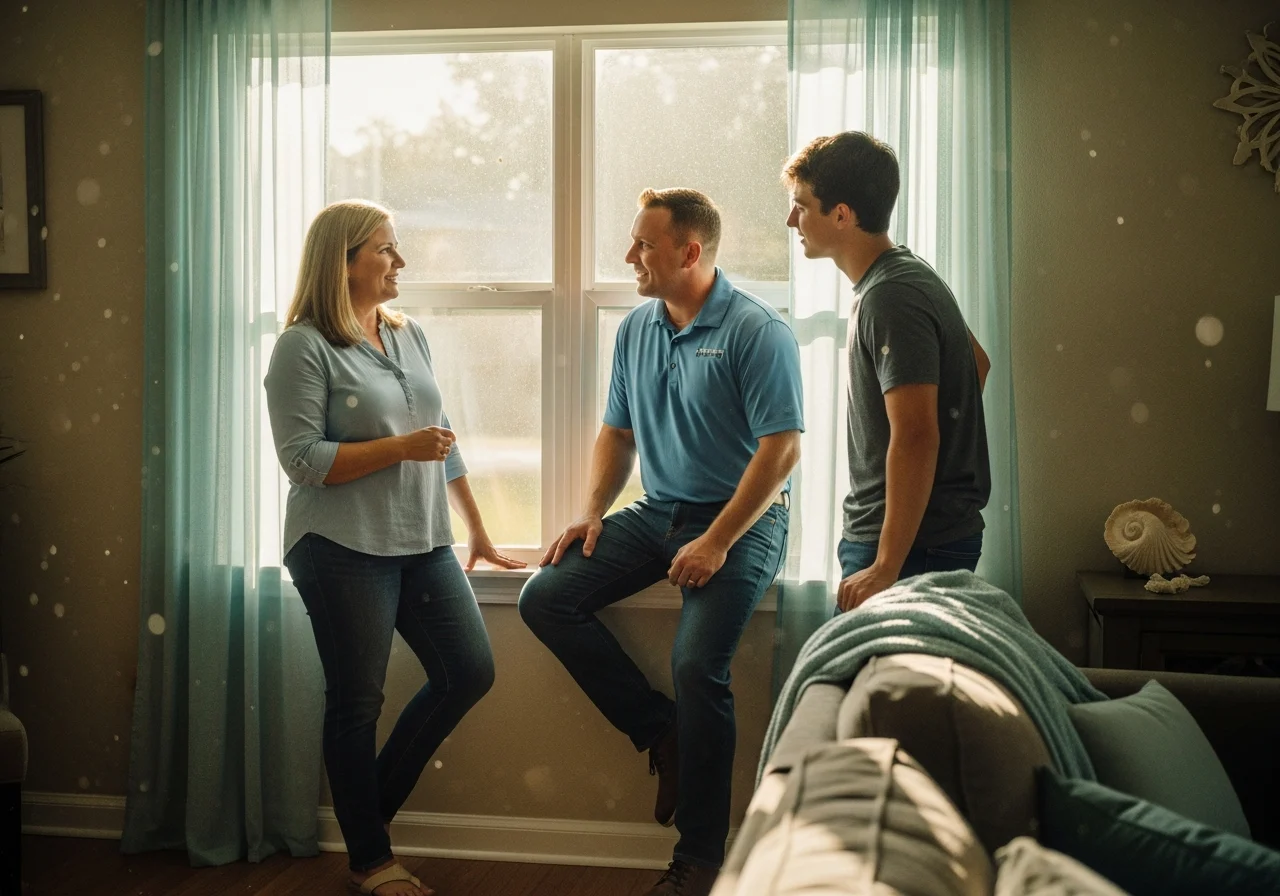
Noise reduction is another often overlooked benefit. The laminated glass used in impact windows can help dampen exterior sound from traffic, lawn equipment, construction, airports, and neighborhood activity. Homeowners near busy roads or coastal tourist areas often notice that rooms feel quieter after installation. While impact windows are not soundproof, the improvement can be meaningful.
Energy performance depends on product specifications. Homeowners should compare U-factor, solar heat gain coefficient, glass type, frame material, and installation quality. A premium traditional window may outperform a basic impact window in certain energy metrics, while a premium impact window can offer both efficiency and storm protection. The best choice comes from comparing complete performance data, not relying on labels alone.
Insurance, Codes, and Long-Term Home Value
Florida’s insurance market has made storm mitigation an important financial topic. Impact windows may help homeowners qualify for wind mitigation credits, although discounts vary by insurer, home location, product rating,
installation documentation, and whether every opening on the home is protected. Many carriers look for a complete opening protection strategy, not just one or two upgraded windows. That means doors, sidelights, garage openings, and large glass sliders may also affect the outcome.
Building code requirements are another major consideration. Florida’s rules are designed around wind speed, exposure, location, and opening protection, and they can vary significantly by municipality. Homeowners planning replacements should review local permitting requirements and the Florida Building Code before assuming that any window labeled “hurricane” is appropriate for their property.
Resale value is also part of the equation. Buyers in Florida often recognize impact windows as a premium upgrade because they reduce storm preparation, improve security, and modernize the home. A documented installation with permits, product approvals, and transferable warranties can make the improvement even more attractive during a sale.

Installation Quality Can Determine Real-World Performance
Even the best impact window can underperform if it is installed poorly. The opening must be measured correctly, the frame must be anchored according to specifications, and the surrounding wall conditions must be addressed. Water management is especially important in Florida, where wind-driven rain can find small weaknesses around poorly sealed openings.
Homeowners should ask about product approvals, design pressures, installer licensing, permits, inspections, and warranty coverage. FEMA’s guidance on protecting property from wind reinforces that openings are a critical part of reducing storm damage. The product and the installation should work together as one protective system.
Final Thoughts for Florida Homeowners
Traditional windows may be a reasonable choice when budget is tight and when they are paired with reliable shutters or panels. However, they require preparation, storage, labor, and consistent maintenance. Impact windows cost more upfront, but they provide continuous protection, better convenience, improved security, potential energy benefits, and a stronger selling point in Florida’s storm-conscious housing market.
The right decision depends on location, budget, insurance goals, home style, and how much storm preparation you are willing to handle. For many Florida homeowners, impact windows are not simply an upgrade.
Need help with Impact Windows vs. Traditional Windows: What Every Florida Homeowner Should Know?