

The Essential Role of Properly Installed Flood Barriers in Hurricane Preparedness
Flood barriers have become a crucial component in protecting properties from the devastating effects of hurricanes. As climate change continues to exacerbate the frequency and intensity of these storms, understanding the role of properly installed flood barriers is essential for property owners seeking to safeguard their investments. By examining the various types of flood barriers, the science behind their effectiveness, and the steps involved in their installation, we can develop a comprehensive understanding of their importance in hurricane preparedness.
Understanding the Threat of Hurricanes
Hurricanes are powerful tropical storms characterized by high winds, heavy rainfall, and storm surges. These natural disasters can cause significant damage to residential and commercial properties, particularly in coastal areas. In recent years, hurricanes have become more frequent and severe, increasing the urgency for effective protective measures.
The aftermath of a hurricane can be catastrophic. Flooding, in particular, poses a significant threat, leading to property damage, loss of personal belongings, and even loss of life. As such, investing in reliable flood barrier systems is not just a precautionary measure but a critical aspect of hurricane preparedness.
Types of Flood Barriers
Various types of flood barriers are available, each designed to address specific needs and scenarios. Some of the most common flood barrier systems include:
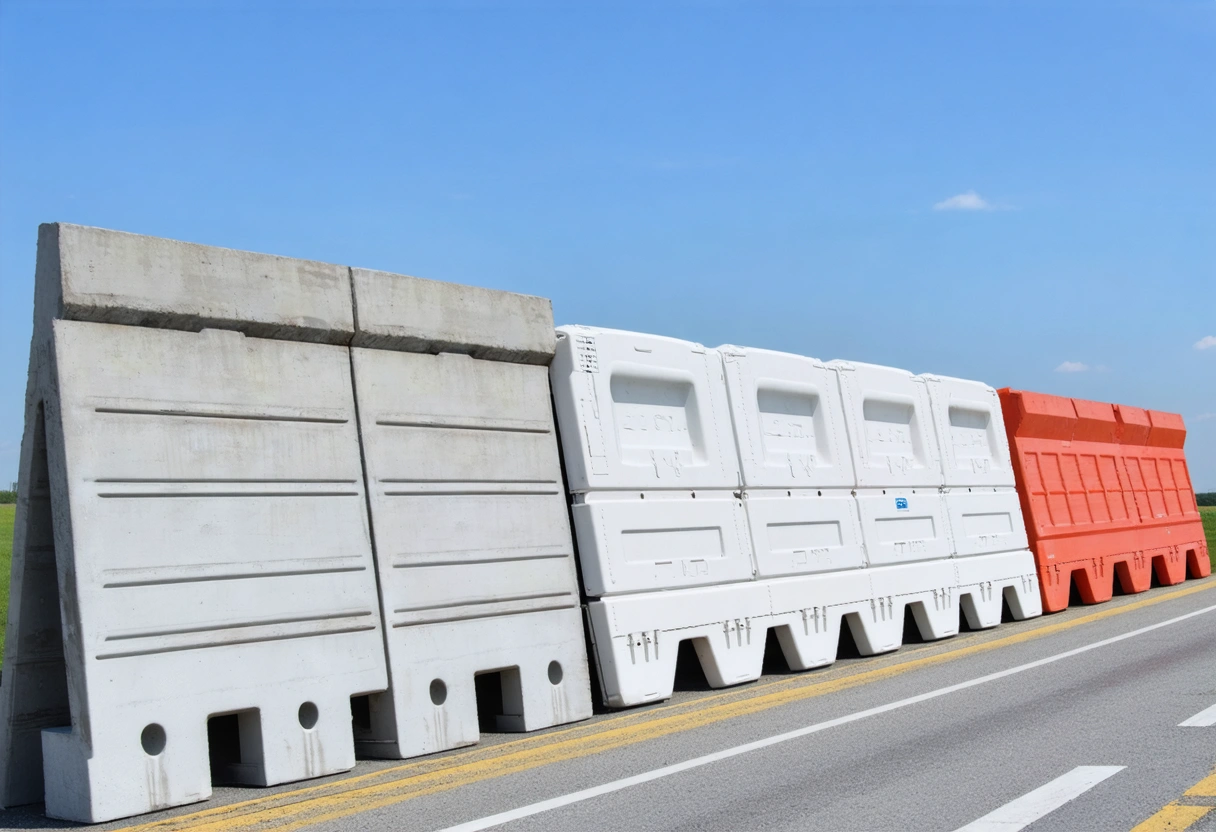
- Permanent Flood Barriers: These are fixed structures, often made of concrete or steel, designed to provide a long-term solution for flood protection. Permanent barriers are ideal for areas with a high risk of flooding and can be integrated into the landscape or built into the infrastructure.
- Temporary Flood Barriers: As the name suggests, these barriers are intended for short-term use. They can be deployed quickly in response to an impending flood threat and removed once the danger has passed. Examples include sandbags, water-filled barriers, and inflatable barriers.
- Deployable Flood Barriers: These are advanced systems that can be deployed rapidly and efficiently. Often used for commercial properties, deployable barriers are stored in a compact form and can be expanded when needed. They offer a flexible solution for properties that require variable levels of protection.
The Science Behind Flood Barriers
Flood barriers work by creating a physical obstruction that prevents water from reaching protected areas. The effectiveness of a flood barrier depends on several factors, including its height, material, and installation method. Properly installed flood barriers are designed to withstand the pressure of rising floodwaters and minimize seepage.
The materials used in flood barriers play a crucial role in their performance. Concrete, steel, and specialized polymers are commonly used due to their durability and resistance to water pressure. Additionally, modern flood barriers are engineered to be adaptable to changing conditions, allowing them to provide reliable protection even as water levels fluctuate.
Importance of Proper Installation
The effectiveness of a flood barrier system hinges on its proper installation. Incorrect installation can lead to gaps, weak points, and structural failures, rendering the barrier ineffective. Professional installation ensures that the barrier is securely anchored and seals are airtight, preventing water from breaching the protected area.
Professional installers have the expertise to assess the unique characteristics of each property and determine the most suitable flood barrier system. They consider factors such as soil composition, elevation, and proximity to water bodies, ensuring that the chosen system offers maximum protection.
Benefits of Flood Barriers in Hurricane Preparedness
Properly installed flood barriers offer numerous benefits in the context of hurricane preparedness. Firstly, they provide peace of mind to property owners, knowing that their investments are protected from flood damage. This assurance is invaluable, particularly in regions prone to frequent hurricanes.

Moreover, flood barriers can significantly reduce the financial burden associated with flood damage. Repairing flood-damaged properties can be costly, involving structural repairs, mold remediation, and replacement of damaged belongings. By preventing floodwaters from entering the property, flood barriers help mitigate these costs.
Case Studies: Successful Implementation of Flood Barriers
Several case studies highlight the effectiveness of flood barriers in mitigating hurricane damage. One notable example is the use of deployable barriers in New Orleans, a city notoriously vulnerable to hurricanes. After Hurricane Katrina, the city invested in a comprehensive flood defense system, including deployable barriers that have since proven instrumental in protecting the city from subsequent storms.
Another example can be found in the Netherlands, where innovative flood barrier systems have been used to protect low-lying areas from sea-level rise and storm surges. The Dutch Delta Works, a series of dams and barriers, is an exemplary model of how engineering and technology can be leveraged to safeguard communities from flooding.
Choosing the Right Flood Barrier for Your Property
Selecting the appropriate flood barrier system depends on several factors, including the property’s location, size, and risk level. Property owners should conduct a thorough assessment of their needs and consult with flood protection experts to determine the best solution.
For properties in high-risk areas, such as coastal regions, permanent flood barriers may offer the most comprehensive protection. In contrast, properties in less vulnerable areas may benefit from temporary or deployable barriers, which provide flexibility and cost-effectiveness.
The Future of Flood Protection
As climate change continues to influence weather patterns, the need for effective flood protection measures will only grow. Properly installed flood barriers are an essential component of hurricane preparedness, offering reliable defense against the destructive forces of nature.

Property owners must remain proactive in their approach to flood protection, investing in systems that offer both immediate and long-term benefits. By doing so, they can minimize the impact of hurricanes on their properties, ensuring safety and security for themselves and their communities.
For more information on the latest advancements in flood protection technology, explore resources on climate change impacts and flood risk management. Additionally, learn about hurricane preparedness tips and coastal resilience strategies to further enhance your understanding of flood barrier systems.
Innovations in Flood Barrier Technology
The field of flood barrier technology has seen significant advancements, driven by the urgent need to protect properties from increasingly severe weather events. Innovations are focused on improving the efficiency, adaptability, and sustainability of flood barriers, making them more effective in a variety of environments.
One such innovation is the development of smart flood barriers, which integrate sensors and IoT technology to monitor water levels and automatically deploy when necessary. These systems provide real-time data to property owners and emergency services, allowing for swift action even in unexpected flooding scenarios. This proactive approach can significantly reduce response times and enhance the overall effectiveness of flood defense systems.
Furthermore, researchers are exploring the use of advanced materials, such as self-healing concrete and eco-friendly composites, to construct flood barriers that are not only robust but also environmentally sustainable. These materials promise enhanced durability and reduced environmental impact, aligning flood protection measures with broader sustainability goals.
Community and Government Involvement in Flood Protection
While individual property owners play a crucial role in flood preparedness, community-wide initiatives and government intervention are equally important. Local authorities can implement zoning laws and building codes that necessitate the inclusion of flood barriers in new developments, thereby ensuring a baseline level of protection across communities.

Governments can also invest in large-scale infrastructure projects, such as levees and sea walls, which offer collective protection for entire regions. These initiatives often require substantial funding and coordination but can dramatically reduce the risk of widespread flood damage. Collaborative efforts involving local governments, community organizations, and private stakeholders can lead to comprehensive flood management plans that benefit everyone.
Cost-Benefit Analysis of Flood Barrier Systems
When considering the installation of flood barriers, property owners often weigh the potential costs against the benefits. While the initial investment can be significant, the long-term savings in terms of avoided damage, lower insurance premiums, and increased property value often justify the expense.
Cost-benefit analyses frequently highlight the economic advantages of flood barriers, particularly for properties in high-risk areas. By preventing water ingress and minimizing damage, flood barriers can lead to substantial financial savings over time. Additionally, properties equipped with flood protection measures are often more attractive to buyers, as they offer an added layer of security.
Insurance companies may also offer reduced premiums to properties that have implemented effective flood barriers, further offsetting the initial costs. This financial incentive encourages more property owners to invest in flood protection, contributing to broader community resilience.
The Psychological Impact of Flood Preparedness
Beyond the tangible benefits, flood barriers offer psychological reassurance to property owners. Knowing that one’s property is protected from potential flooding brings peace of mind, reducing anxiety and stress during hurricane season. This psychological aspect is crucial, as the emotional toll of natural disasters can be profound.
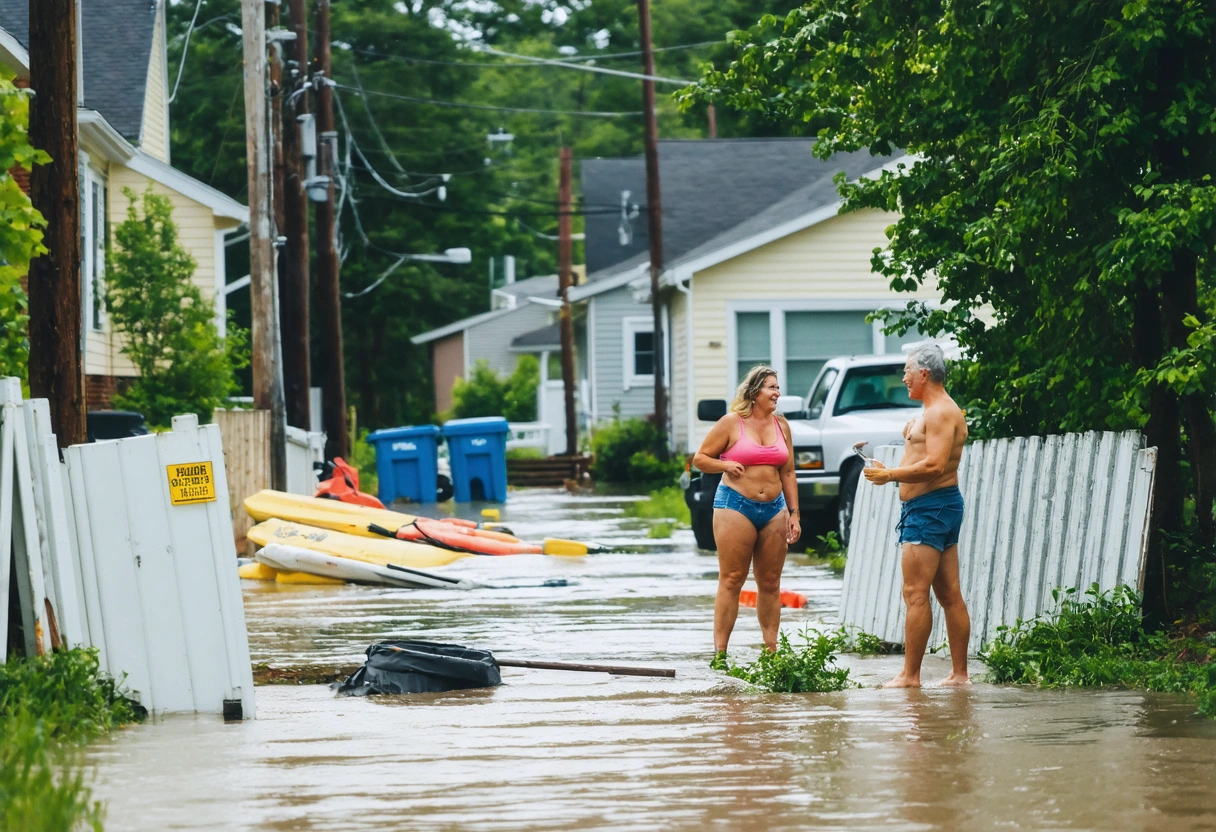
Communities that prioritize flood preparedness often experience a stronger sense of cohesion and confidence. Residents feel more secure in their environment, knowing that collective measures are in place to safeguard their homes and livelihoods. This community resilience strengthens social bonds and fosters a proactive approach to disaster management.
Educating Property Owners on Flood Barrier Maintenance
While installing flood barriers is a critical step, ongoing maintenance is equally important to ensure their continued effectiveness. Property owners must be educated on the proper care and maintenance of their flood barrier systems, including regular inspections, cleaning, and repairs.
Manufacturers and installation professionals can provide guidance on maintenance best practices, ensuring that property owners are equipped with the knowledge needed to keep their systems in optimal condition. Regular maintenance not only prolongs the lifespan of the barriers but also guarantees their reliability in the event of a flood.
Embracing a Resilient Future
In an era of climate uncertainty, the role of properly installed flood barriers in protecting properties from hurricane damage cannot be overstated. These systems are a vital component of disaster preparedness, offering both immediate and long-term benefits to property owners and communities alike.
As technology continues to evolve, so too will the capabilities of flood barriers, providing even greater protection against the forces of nature. By embracing these innovations and fostering a culture of preparedness, we can navigate the challenges posed by hurricanes and build a resilient future for generations to come.
For further reading on how advanced materials are shaping flood protection, explore resources on innovative construction materials and the role of IoT in flood management. Additionally, learn more about coastal adaptation strategies and the importance of hurricane preparedness to further enhance your understanding of flood barrier systems and their role in disaster resilience.
Need help with The Role of Properly Installed Flood Barriers in Protecting Your Property from Hurricane Damage?