





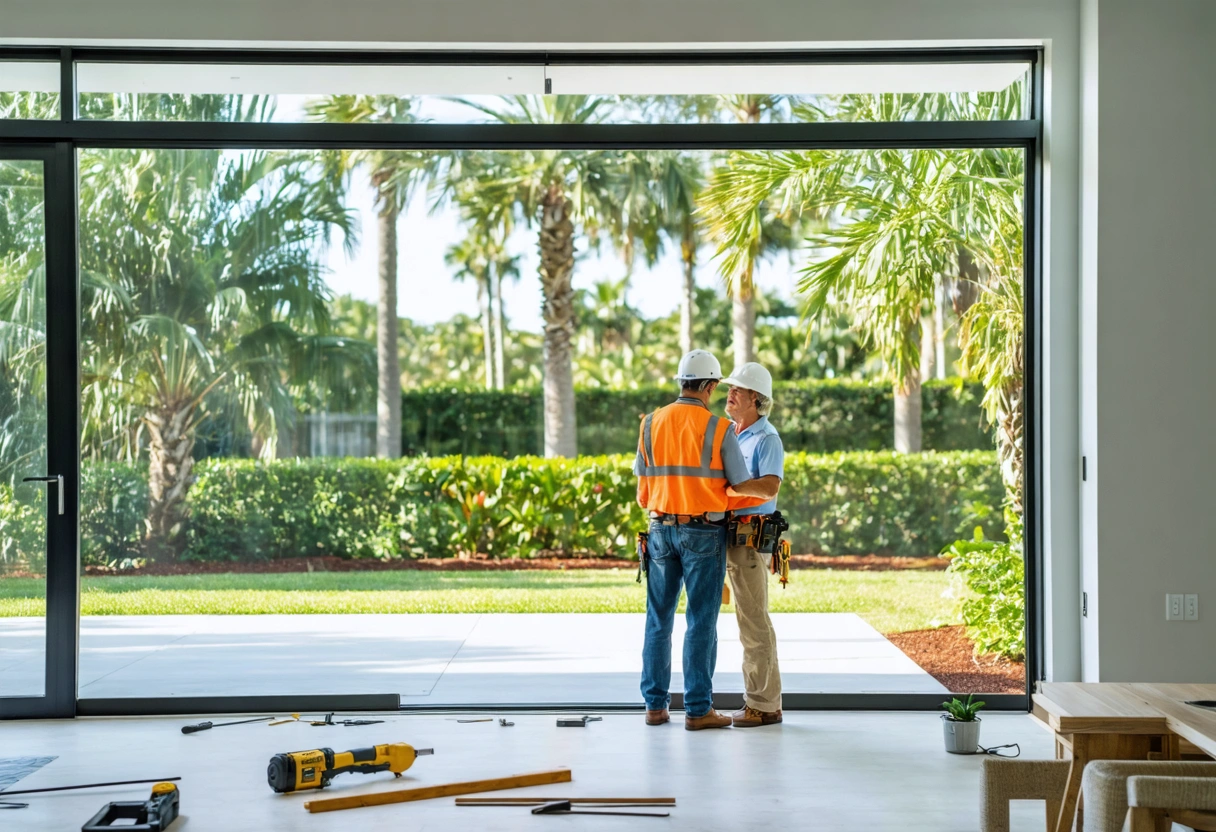
Choosing an energy efficient window in Florida involves more than comparing glass packages. The frame material also affects heat transfer, air leakage, structural strength, maintenance needs, and long term performance. Vinyl, aluminum, and fiberglass frames can all be effective, but each responds differently to intense sunlight, high humidity, wind driven rain, salt air, and hurricane conditions.
For homeowners in Sarasota, Bradenton, Venice, Port Charlotte, Fort Myers, Naples, and surrounding Gulf Coast communities, the best choice depends on the home, location, budget, and installation requirements. Understanding how each frame performs in Florida conditions can help you make a practical decision instead of relying on a single efficiency rating or sales claim.
Why Window Frame Material Matters in Florida
A window frame surrounds the glass and connects the entire window system to the wall opening. Its design influences how much outdoor heat reaches the interior, how securely the window resists wind pressure, and how effectively the assembly keeps out water and humid air. Even high performance insulated glass cannot compensate for a poorly selected or improperly installed frame.
Frame materials expand and contract as temperatures change. Florida windows may be exposed to strong sunlight and high exterior temperatures for much of the year, followed by heavy rain and rapid cooling. Excessive movement can place stress on seals, fasteners, and joints, so material quality and proper installation are essential for dependable performance.
Energy efficiency should also be evaluated as part of the complete window system. Frame construction, glass coatings, spacer technology, weatherstripping, drainage, and installation all work together. Homeowners should compare whole window ratings rather than judging performance based only on whether a frame is vinyl, aluminum, or fiberglass.
How the Three Frame Materials Compare
Vinyl, aluminum, and fiberglass each offer a different balance of insulation, strength, appearance, cost, and maintenance. No frame material is automatically best for every Florida property. Coastal exposure, opening size, architectural style, impact protection requirements, and the quality of the specific product all affect the final choice.
It is also important to distinguish standard windows from products engineered and approved for high wind zones. A frame may have good thermal characteristics but still be unsuitable for a particular opening or required design pressure. Product approval, correct sizing, proper anchoring, and careful water sealing should be considered alongside energy efficiency.
Vinyl Frames
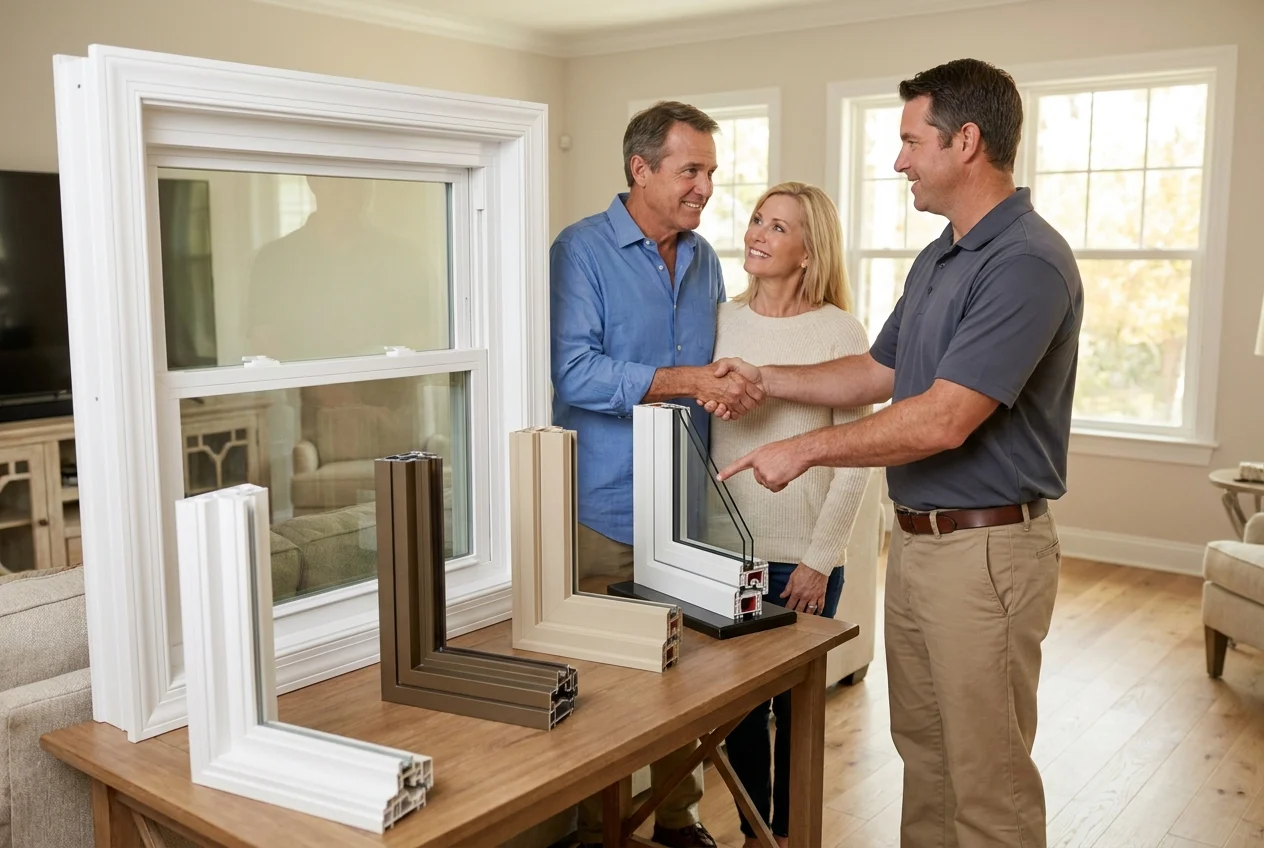
Vinyl is naturally resistant to heat transfer, which makes it a popular choice for energy efficient replacement windows. Quality vinyl frames often contain multiple internal chambers that improve rigidity and reduce thermal movement through the frame. They also resist corrosion and generally require little maintenance beyond routine cleaning.
Not all vinyl frames perform equally in Florida heat. Lower quality formulations may be more vulnerable to warping, discoloration, or excessive expansion when exposed to prolonged sunlight.
Aluminum Frames
Aluminum provides excellent strength with relatively narrow frame profiles. This can allow for larger glass areas and makes aluminum a practical option for wide openings, modern home designs, and demanding wind load requirements.
The primary drawback is that aluminum conducts heat more readily than vinyl or fiberglass. Modern aluminum windows may address this issue with thermal breaks, improved frame designs, and energy efficient glass packages.
Fiberglass Frames
Fiberglass frames offer strong dimensional stability, meaning they expand and contract relatively little as temperatures change. This characteristic can help protect seals and maintain consistent operation during years of exposure to Florida heat.
Fiberglass windows often cost more than comparable vinyl options and may be available in fewer styles or product lines. Their long term value depends on the quality of the complete window system, not the frame material alone.
Thermal Performance and Whole Window Ratings
Frame material affects insulation, but homeowners should compare verified whole window performance ratings before choosing a product. These ratings account for the frame, glass, spacer system, and other components rather than evaluating the center of the glass alone.
U Factor
U factor measures how readily heat moves through the complete window. A lower number indicates better resistance to heat transfer. Vinyl and fiberglass frames typically make it easier to achieve a lower U factor, while aluminum windows usually need an effective thermal break and an appropriate glass package to deliver comparable results.
In Florida, U factor still matters even though heating needs are limited. A well insulated window can reduce unwanted heat entering the home and help maintain more consistent indoor temperatures.
Solar Heat Gain Coefficient
Solar heat gain coefficient indicates how much solar energy passes through the complete window. Lower values generally help reduce cooling demand in Florida, especially on openings that receive strong afternoon sun.
Low emissivity glass selected for a cooling dominated climate can help reflect a portion of the sun’s heat while allowing natural light into the home.
Air Leakage
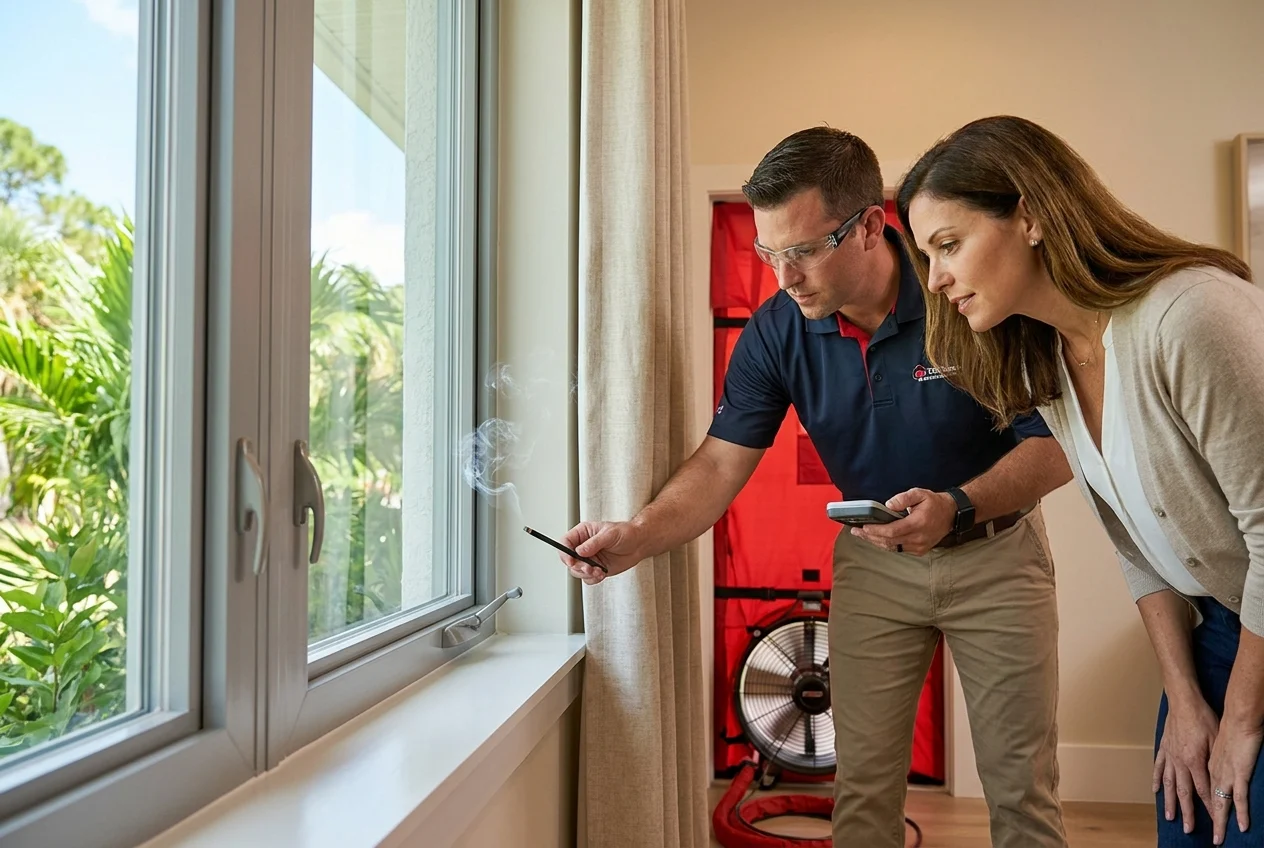
Air leakage measures how much air passes through the window assembly under test conditions. A window with a favorable U factor can still perform poorly if humid outdoor air enters around the sash, frame, or installation perimeter.
Persistent air infiltration can make rooms feel warmer, increase cooling demand, and introduce moisture. Homeowners should therefore look beyond frame insulation and ask how the complete window is designed, tested, and installed to control air movement.
Florida Conditions That Can Change the Best Choice
A frame that performs well in one part of the country may not be the best fit for a Gulf Coast home. Florida properties face a combination of ultraviolet exposure, prolonged heat, wind driven rain, humidity, insects, salt air, and hurricane risks.
Direct Sun and Heat Exposure
South and west facing windows often receive the most intense solar exposure. High quality vinyl can perform well in these locations when its formulation, reinforcement, and color are appropriate for the climate.
Darker frame colors absorb more heat than lighter colors. Product manufacturers may limit certain colors, sizes, or configurations based on expected surface temperatures. Homeowners should confirm that the selected finish is approved for the product and covered by the applicable warranty.
Salt Air and Coastal Exposure
Homes near Siesta Key, Osprey, Nokomis, Placida, Punta Gorda, Cape Coral, Bonita Springs, and Naples may experience airborne salt even when they are not directly on the water.
Vinyl and fiberglass do not rust, but their hardware and reinforcement may still require corrosion resistant materials. Aluminum frames need a durable factory applied finish and routine cleaning to remove salt deposits.
Wind Driven Rain and Drainage
Florida thunderstorms can force water against windows at significant pressure. Effective performance depends on frame joints, glazing seals, weatherstripping, sill design, drainage paths, and the connection between the frame and wall.
Weep openings and drainage channels should remain clear after installation. Sealants must be compatible with the window, substrate, and flashing materials. Blocking a designed drainage path with excessive caulk can create problems rather than improve protection.
Impact Resistance and Structural Strength
An energy efficient frame is not automatically an impact resistant frame. Impact windows are tested as complete assemblies that include the frame, laminated glass, glazing method, hardware, fasteners, and installation details.
Aluminum is frequently used for large impact rated units because of its strength and relatively slim profile. Reinforced vinyl can also meet demanding impact and design pressure requirements when engineered for the opening.
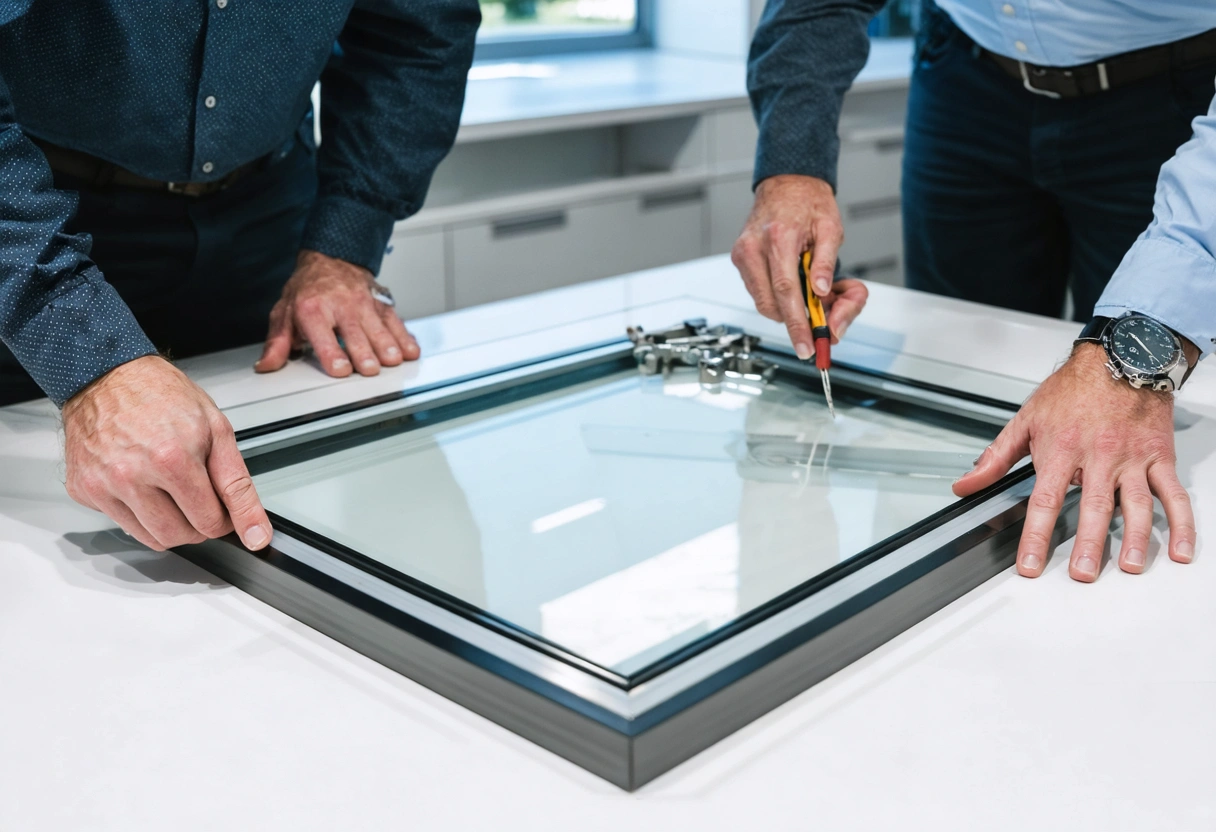
Design pressure requirements can differ from one home to another and even between openings on the same building. Building height, opening location, surrounding terrain, proximity to the coast, and positive or negative pressure zones can affect the required rating.
Large Openings Require Special Attention
Wide picture windows, mulled window combinations, and openings near building corners may experience greater structural demands. A material that works well for a moderate bedroom window may need additional reinforcement in a larger living room opening.
This is one reason broad statements such as vinyl is always best or aluminum is always strongest can be misleading. The specific tested assembly determines whether a window is appropriate for the opening.
Maintenance and Expected Service Life
All three frame materials can provide years of service when the product is well made, properly installed, and maintained for local conditions. Maintenance requirements differ, but no window should be treated as completely maintenance free.
Maintaining Vinyl Windows
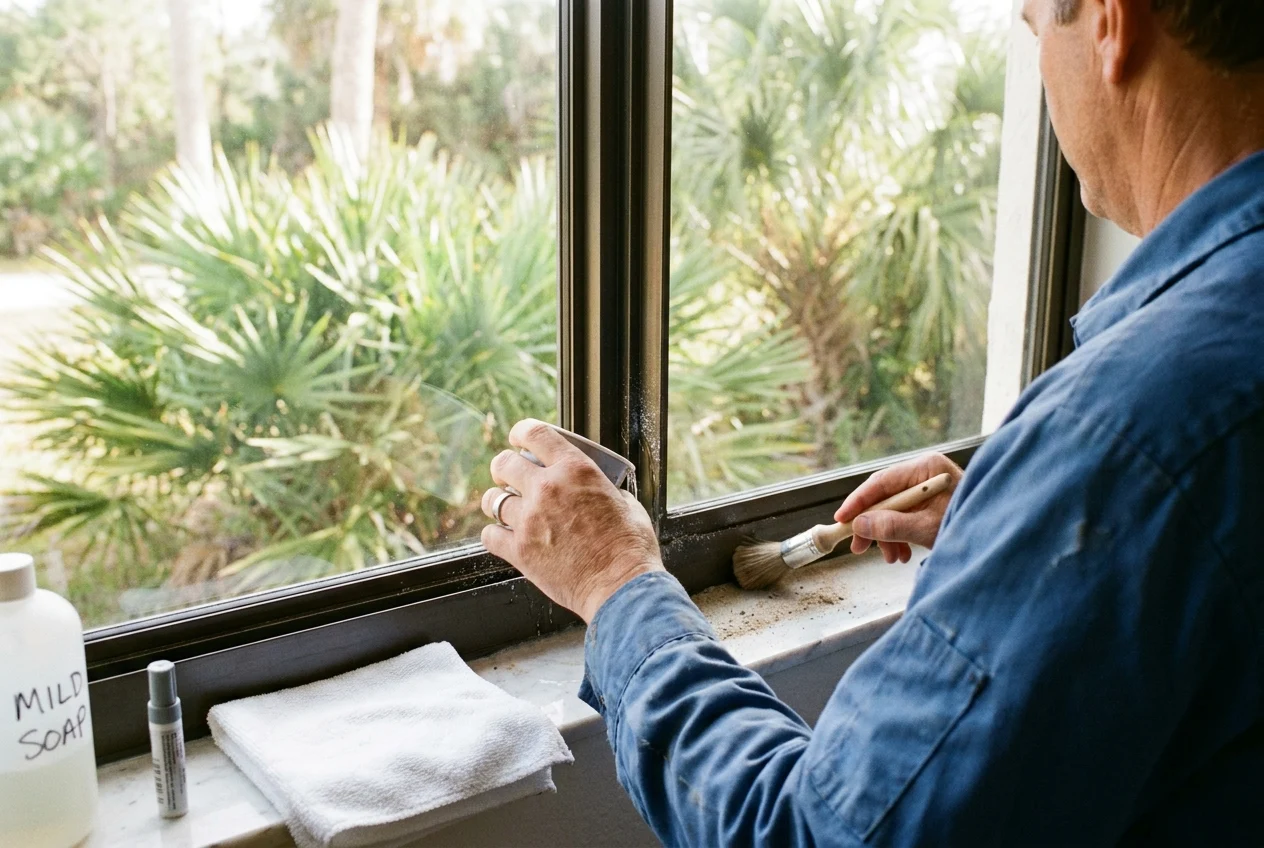
Vinyl frames can usually be cleaned with mild soap, water, and a soft cloth. Harsh solvents and abrasive tools should be avoided because they may damage the surface.
Vinyl typically does not require painting. If a color change is desired, homeowners should consult the manufacturer before applying any coating because an incompatible or dark paint may increase heat absorption, affect movement, and void warranty coverage.
Maintaining Aluminum Windows
Aluminum frames benefit from regular rinsing, particularly near saltwater. Tracks and sill areas should be kept free of sand and debris. Scratches or finish damage should be addressed according to the manufacturer’s recommendations before corrosion develops around exposed areas.
Hardware maintenance is equally important. Locks, operators, rollers, and fasteners should be inspected for stiffness or corrosion. Lubricants must be compatible with the window components and should not attract excessive dirt.
Maintaining Fiberglass Windows
Fiberglass is dimensionally stable and generally straightforward to maintain. Depending on the product, it may have a factory finish or a surface designed to be painted.
As with other materials, perimeter sealant, hardware, weatherstripping, and drainage paths require periodic inspection. The longevity of a fiberglass frame does not eliminate the need to maintain the rest of the assembly.
Cost Versus Long Term Value
Vinyl is often the most budget friendly option, although premium reinforced and impact rated vinyl systems can cost considerably more than basic products. Aluminum pricing varies based on frame design, thermal break, finish, glass package, and impact rating.
The lowest initial price does not always provide the best long term value. Homeowners should consider cooling performance, storm protection, maintenance, warranty coverage, expected service life, and the cost of correcting installation problems.
Questions to Ask When Comparing Quotes
Request the exact manufacturer, product series, frame material, glass package, and performance ratings included in each proposal. Confirm whether the window is impact rated, whether it meets the required design pressure, and whether permits, disposal, interior finishing, and exterior sealants are included.
Warranty terms should also be reviewed carefully. Coverage may differ for frames, insulated glass, finishes, hardware, labor, and coastal installations. Ask who handles warranty service if a problem develops after installation.
Need help with Vinyl, Aluminum, or Fiberglass: Which Energy Efficient Window Frame Performs Best in Florida??