





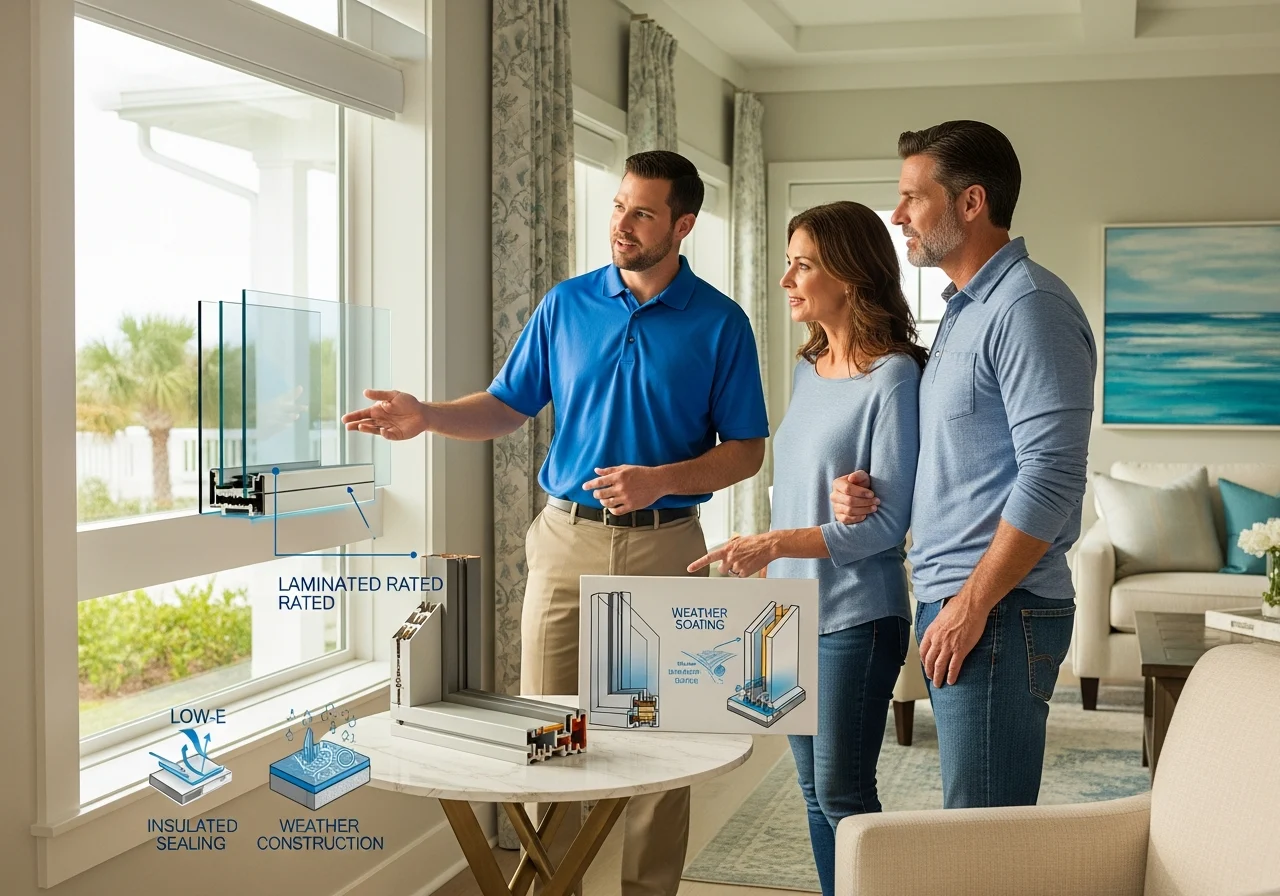
As energy efficiency becomes increasingly important in our daily lives, homeowners are constantly seeking ways to reduce energy consumption and lower utility bills. One significant area of focus is windows. Windows can significantly impact a home’s energy efficiency, and understanding the ratings associated with them can help you choose the best options for your needs.
In this comprehensive guide, we will explore the various factors that contribute to a window’s energy efficiency. We will delve into the ratings that are crucial for evaluating performance and provide insights into selecting windows that offer the best return on investment.
Key Components of Energy Efficient Windows
Energy-efficient windows are designed to minimize the transfer of heat and enhance the comfort of your home. Several components play a crucial role in determining a window’s energy efficiency. Understanding these elements can help you make informed decisions when selecting windows.
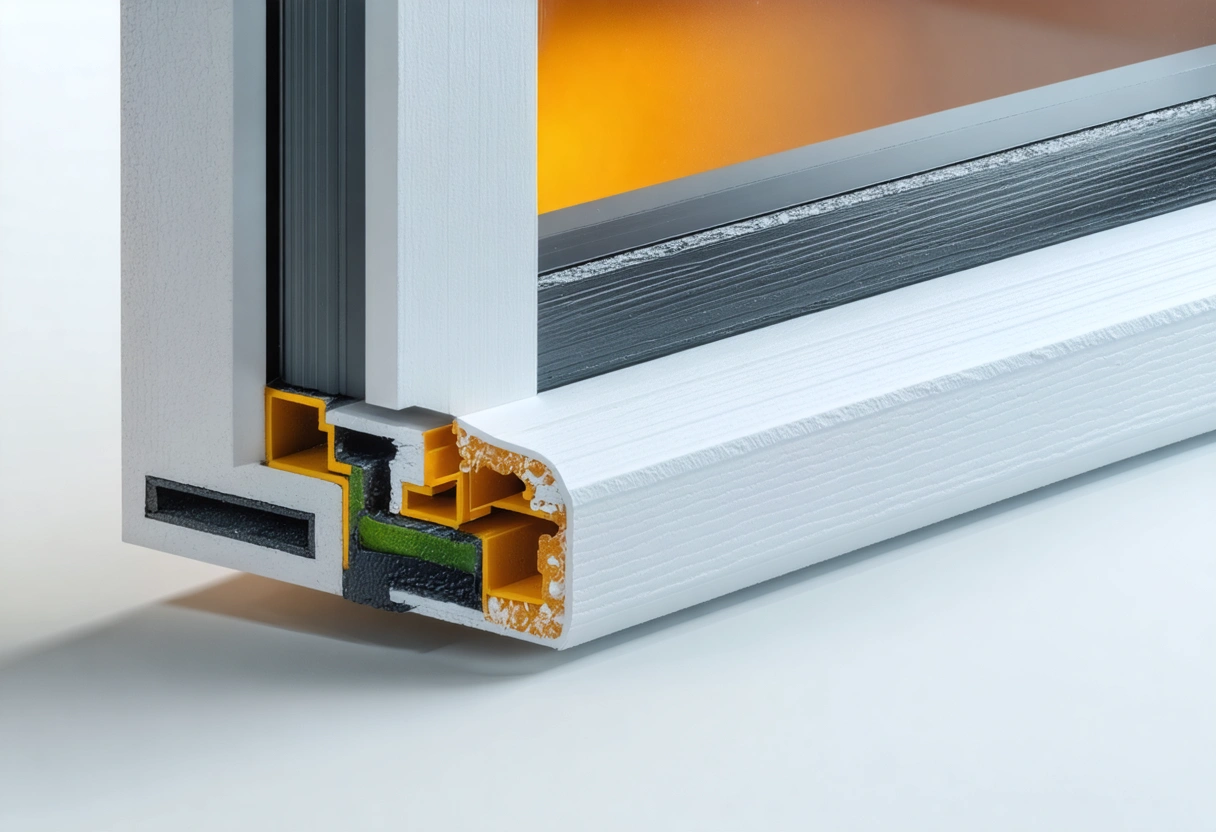
One of the primary components is the frame material. Different materials offer varying levels of insulation and affect the window’s overall thermal performance. Common materials include wood, vinyl, fiberglass, and aluminum. Each material has its advantages and disadvantages in terms of insulation, cost, and maintenance.
Another key component is the glass or glazing used in the window. Double or triple-pane glass with inert gas fills like argon or krypton can significantly reduce heat transfer. The glass coating, often referred to as low-emissivity (Low-E) coating, plays an essential role in reflecting heat back into the room during winter while reducing heat gain in summer.
Understanding Window Ratings
Window ratings are essential in assessing energy efficiency. These ratings are usually provided by organizations such as the National Fenestration Rating Council (NFRC), which offers standardized testing and labeling. Let’s explore some of the most critical ratings you should consider.
U-Factor
The U-Factor measures the rate of heat transfer and indicates how well the window insulates. It’s expressed in Btu/h·ft²·°F, and lower values signify better insulation. A window with a low U-factor is more energy-efficient as it prevents heat from escaping during colder months.
Solar Heat Gain Coefficient (SHGC)
The SHGC measures how much solar radiation passes through a window. It is expressed as a number between 0 and 1, with lower numbers indicating less heat enters the home. A lower SHGC is ideal for hot climates, reducing cooling costs by limiting heat gain.
Visible Transmittance (VT)
VT measures the amount of visible light transmitted through the window. Higher VT values mean more natural light enters the home. Balancing VT with other factors is essential, as too much light can lead to increased heat gain.
Air Leakage (AL)
AL measures the rate of air infiltration through the window. It is expressed in cubic feet per minute per square foot of window area. Lower air leakage indicates a tighter seal, reducing drafts and improving energy efficiency.
Choosing the Right Energy Efficient Windows
When selecting energy-efficient windows, consider the climate in which you live. The ideal window for a cold climate may differ significantly from one suited to a hot, sunny environment. It’s crucial to understand these differences to make the best choice.
For colder climates, windows with a low U-factor are preferable, as they provide better insulation. These windows help retain indoor heat, reducing the demand on heating systems. Alternatively, in warmer climates, focus on windows with a low SHGC to minimize cooling costs.
Additionally, consider the orientation of your windows. South-facing windows in the Northern Hemisphere can maximize passive solar heat gain in winter, while east or west-facing windows may require shading solutions to avoid excessive heat gain during summer.
To further aid your selection process, take advantage of resources such as the U.S. Department of Energy’s guidelines for windows, which provide detailed information on making energy-efficient choices tailored to your specific needs.
Technological Advancements in Window Design
In recent years, technological advancements have significantly improved the energy efficiency of windows. Innovations in materials, coatings, and construction techniques continue to push the boundaries of what’s possible in window design.
Smart windows, for instance, are emerging as a popular choice. These windows can adjust their tint based on the amount of sunlight, optimizing the balance between natural light and thermal comfort. They offer the potential for significant energy savings by reducing the need for artificial lighting and temperature control.
Furthermore, advances in dynamic glazing technology allow windows to change their properties based on external conditions, further enhancing their ability to regulate indoor temperatures efficiently.
Cost vs. Benefits of Energy Efficient Windows
While energy-efficient windows may have a higher initial cost than standard windows, they often offer significant long-term savings. By reducing heating and cooling costs, these windows can pay for themselves over time.
In addition to direct energy savings, energy-efficient windows can increase the overall comfort of your home. They help maintain consistent indoor temperatures, reduce drafts, and minimize noise pollution, contributing to a more pleasant living environment.
Moreover, investing in energy-efficient windows can enhance your home’s resale value. Many homebuyers prioritize energy efficiency, making your property more attractive in the market. The EPA’s ENERGY STAR program provides certification for windows that meet specific criteria, ensuring you make a wise investment.
Takeaways
Understanding the ratings and factors that contribute to a window’s energy efficiency is crucial for homeowners looking to reduce energy consumption and improve comfort. By considering components like frame material, glazing, and key performance ratings, you can make informed decisions when selecting windows for your home.
As technology continues to evolve, the options for energy-efficient windows will expand, offering even greater potential for savings and comfort. By staying informed and considering both the immediate and long-term benefits, you can choose windows that align with your environmental goals and financial considerations.
Ultimately, energy-efficient windows are an investment in your home’s future, offering a path to reduced energy bills, increased comfort, and a smaller carbon footprint. For more information on energy-efficient home improvements, visit the Energy Saver website.
Installation and Maintenance of Energy Efficient Windows
Proper installation is as important as selecting the right energy-efficient windows. Even the best windows will fail to deliver their potential benefits if they are not installed correctly. Poor installation can lead to air and water leaks, ultimately compromising the window’s performance and durability.
Hiring a professional with experience in installing energy-efficient windows is crucial. They will ensure that the windows are sealed correctly and that all components are integrated seamlessly into the building envelope. Proper installation helps in maintaining the optimal performance of the windows, ensuring that the energy savings are realized.
Regular maintenance is also essential to preserve the efficiency and lifespan of your windows. This includes cleaning the glass to maximize light transmittance, checking seals for any wear and tear, and ensuring that the frames remain in good condition. Routine inspections can help identify potential issues early, allowing for timely repairs and preventing more significant problems.
The Environmental Impact of Energy Efficient Windows
Beyond the immediate benefits of cost savings and improved comfort, energy-efficient windows have a significant positive impact on the environment. By reducing energy consumption, these windows help to decrease greenhouse gas emissions associated with heating and cooling homes.
Heating and cooling account for a significant portion of residential energy use, and improving window efficiency can substantially lower this demand. The reduced energy consumption leads to fewer fossil fuels being burned for electricity and heating, contributing to a reduction in carbon emissions.
Moreover, many energy-efficient windows are manufactured using sustainable practices and materials, further supporting environmental conservation efforts. The production process often considers the entire lifecycle of the window, from raw material extraction to manufacturing and eventual disposal or recycling.
Financial Incentives for Energy Efficient Windows
Many governments and organizations recognize the importance of energy-efficient home improvements and offer financial incentives to encourage their adoption. These incentives can help offset the initial cost of purchasing and installing energy-efficient windows, making them more accessible to homeowners.
In the United States, federal tax credits are available for energy-efficient home improvements, including windows that meet specific criteria. These credits can cover a portion of the cost, providing substantial savings. Additionally, many local and state governments, as well as utility companies, offer rebates and incentives for energy-efficient window installations.
To take advantage of these financial incentives, homeowners should research available programs and ensure their chosen windows meet the necessary requirements. Consulting with a professional can also provide guidance on navigating these options and maximizing the financial benefits.
Case Studies: Real-World Benefits of Energy Efficient Windows
Numerous case studies highlight the tangible benefits of installing energy-efficient windows. For instance, a study conducted by the National Renewable Energy Laboratory (NREL) demonstrated significant energy savings in homes that upgraded to energy-efficient windows.
In one example, a family in a cold climate replaced their old single-pane windows with double-pane, Low-E coated windows filled with argon gas. After the upgrade, the family reported a noticeable reduction in their heating bills and an increase in overall home comfort. The improved windows reduced drafts and maintained a more consistent indoor temperature during the harsh winter months.
Another case study from a warmer region showed how energy-efficient windows with a low SHGC reduced cooling costs by limiting solar heat gain. Homeowners experienced lower electricity bills and a more comfortable indoor environment, even during peak summer temperatures.
Future Trends in Energy Efficient Window Technology
The field of energy-efficient windows is constantly evolving, with new technologies and materials being developed to further enhance performance. One exciting trend is the integration of smart technology, allowing windows to adapt to changing weather conditions and user preferences automatically.
Research is ongoing into advanced materials that offer superior insulation and durability. Innovations such as vacuum-insulated glass and advanced aerogel materials hold promise for creating windows with unprecedented energy efficiency. These materials can provide excellent thermal insulation while maintaining a sleek and modern aesthetic.
Furthermore, as sustainable building practices gain momentum, the demand for energy-efficient windows is expected to rise. This increased demand will likely drive further innovation and bring new solutions to market, benefiting consumers and the environment alike.
Taking the Next Steps
Choosing energy-efficient windows is a wise investment that offers numerous benefits, from reducing energy bills to enhancing home comfort and contributing to environmental sustainability. By understanding the ratings, selecting the right windows for your climate, and ensuring proper installation and maintenance, you can maximize these benefits.
As technology continues to advance, the possibilities for energy-efficient windows will expand, providing even greater opportunities for savings and environmental conservation. Whether you’re building a new home or upgrading existing windows, energy-efficient options offer a path to a more sustainable and comfortable future.
For those ready to take the next step, consulting with professionals who specialize in energy-efficient solutions and exploring available financial incentives can help you make the best choices for your home and the environment.
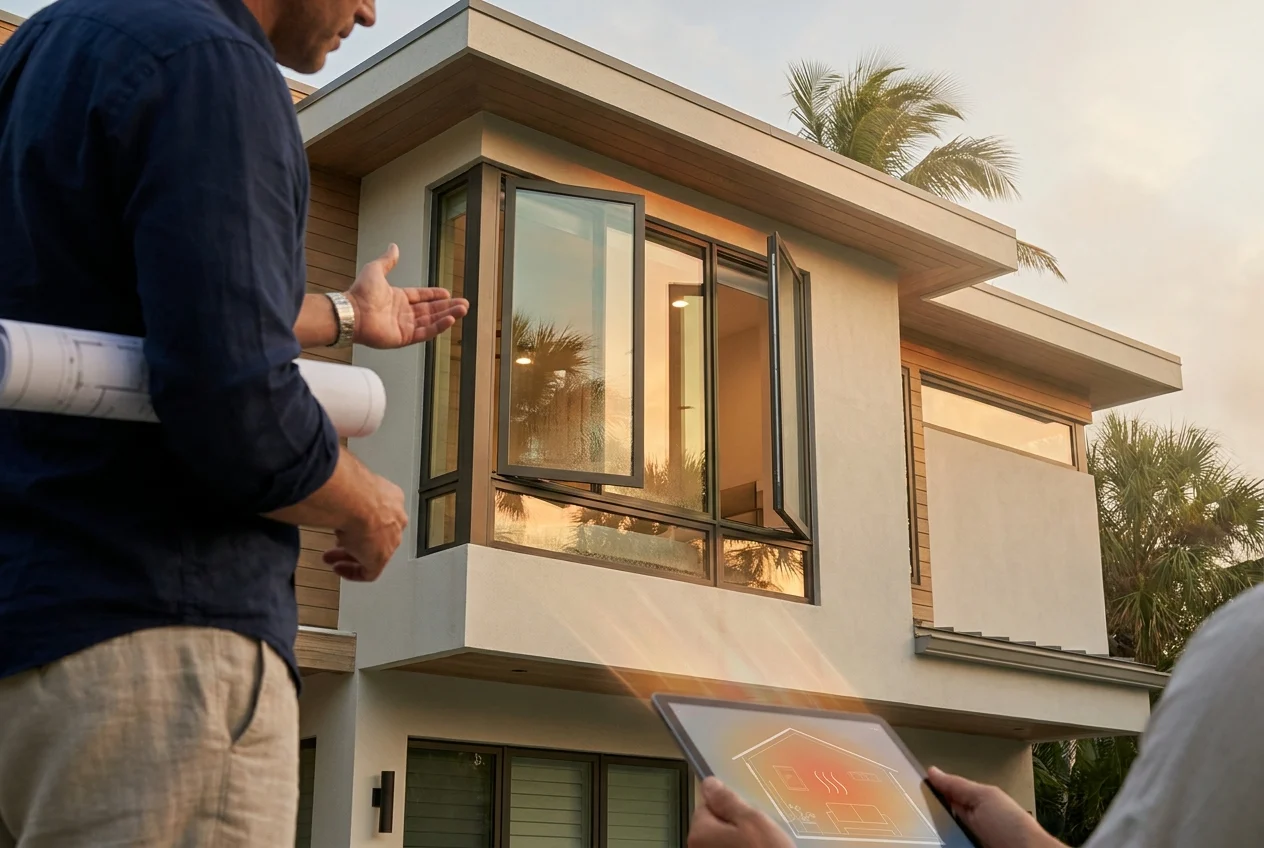
Need help with Understanding the Ratings: What Makes a Window Truly Energy Efficient??