






For homeowners in Sarasota and Charlotte Counties, an entry door is more than a design feature. It is part of the home’s protection system against hurricane-force winds, wind-borne debris, heavy rain, humidity, and salt air. The right impact-rated entry door can help strengthen the building envelope while improving curb appeal, energy performance, and day-to-day comfort.
Because coastal conditions in Southwest Florida are demanding, choosing a front door should involve more than selecting a style from a catalog. Homeowners need to understand impact ratings, material performance, code requirements, installation quality, and long-term maintenance before making a decision.
Why Coastal Conditions Change the Door Selection Process
Homes in Sarasota County and Charlotte County face environmental conditions that are different from many inland areas. Tropical storms, hurricanes, driving rain, intense UV exposure, and salty coastal air can all affect how an entry door performs over time. A door that looks attractive in a showroom may not be the best choice for a home near the Gulf, a canal, a bayfront area, or any location exposed to high winds and moisture.
An impact-rated entry door is designed to resist damage from wind-borne debris and help maintain the integrity of the home during severe weather. When a non-rated door fails during a storm, pressure can build inside the home and increase the risk of damage to the roof, windows, and structural components. This is why door selection is closely tied to both storm protection and proper door installation services in coastal Florida.
Wind, Water, and Salt Air All Matter
High winds are often the first concern when homeowners think about hurricane protection, but water intrusion and corrosion are also major considerations. Entry doors in coastal communities may be exposed to wind-driven rain, standing moisture near thresholds, and airborne salt that can accelerate deterioration of hardware, hinges, fasteners, and finishes.
For this reason, the best door for a coastal home is not only impact-rated. It should also be built with materials, finishes, weatherstripping, sill systems, and hardware that are suitable for a humid, salt-rich environment. Proper installation is equally important because even a high-performance door can underperform if it is not fitted, flashed, sealed, and anchored correctly.

Understanding Impact Ratings and Florida Building Requirements
Impact-rated entry doors are tested to meet specific performance standards for wind resistance and impact protection. In many coastal areas of Florida, doors must be able to withstand both design pressure loads and impacts from debris that may be carried by hurricane-force winds. These ratings help determine whether a door is appropriate for a particular home, exposure level, and location.
In Sarasota and Charlotte Counties, local building requirements are influenced by Florida Building Code provisions, wind zone maps, exposure categories, and whether a property is located in a wind-borne debris region. Homeowners should not assume that every impact door is approved for every coastal home. The correct product must match the specific requirements of the property and opening.
Design Pressure Ratings
Design pressure, often shown as DP, measures how much wind pressure a door system is tested to resist. A door’s DP rating must be appropriate for the size of the opening, the height of the building, the home’s location, and the level of wind exposure. Larger doors, taller structures, and more exposed coastal lots may require higher performance ratings.
It is important to understand that design pressure applies to the complete door system, not just the slab. The frame, glass inserts, sidelites, transoms, hinges, locks, anchors, and installation method all contribute to overall performance. A properly selected door should have documentation showing that the entire assembly has been tested and approved for the needed conditions.
Large Missile Impact Testing
Many coastal entry doors are evaluated through large missile impact testing, which simulates debris striking the door during a severe wind event. This testing helps confirm that the door can resist penetration and remain in place under storm conditions. For homes in wind-borne debris regions, this type of rating is often a key requirement.
Homeowners should ask whether the door has a Florida Product Approval or Miami-Dade Notice of Acceptance when applicable. These documents provide details about approved configurations, glass options, maximum sizes, hardware requirements, and installation methods. Reviewing this information before installation helps avoid mismatched products and potential permitting issues.
Comparing Entry Door Materials for Coastal Performance
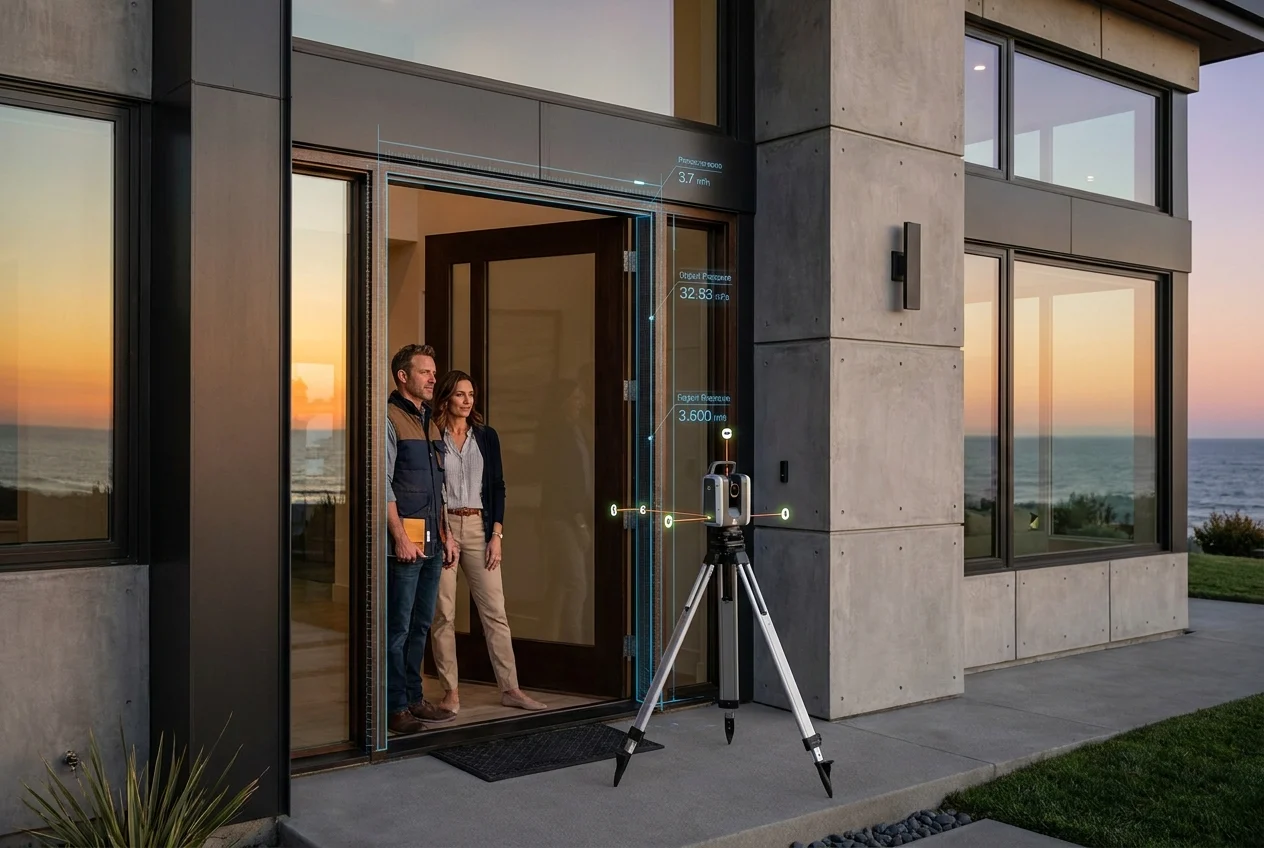
The material of an impact-rated entry door affects durability, appearance, maintenance, energy efficiency, and resistance to coastal wear. In Sarasota and Charlotte Counties, homeowners often compare fiberglass, steel, aluminum, and impact-rated wood or wood-clad systems. Each option has strengths, but coastal exposure can quickly reveal weaknesses if the wrong product is chosen.
The best material depends on the home’s location, architectural style, budget, exposure to direct weather, and maintenance expectations. A protected entry under a deep porch may allow more flexibility, while a west-facing door with little overhang near saltwater may require a tougher, lower-maintenance solution.
Fiberglass Impact Entry Doors
Fiberglass is one of the most popular choices for coastal homes because it offers strong resistance to dents, rot, swelling, and corrosion. Many fiberglass doors are designed to mimic the look of painted or stained wood while requiring significantly less upkeep. They also tend to perform well in humid conditions because the slab is less likely to warp than traditional wood.
For energy performance, fiberglass doors commonly include insulated cores that help reduce heat transfer. This can be valuable in Florida, where cooling costs are a year-round concern. When paired with impact-rated decorative glass, high-quality weatherstripping, and a properly installed threshold, fiberglass can provide a balanced combination of storm protection, beauty, and efficiency.
Steel Impact Entry Doors
Steel impact-rated doors can provide excellent strength and security, but coastal corrosion must be considered carefully. In areas with heavy salt exposure, steel doors require high-quality coatings, proper finishing, and routine inspection to prevent rust, especially along edges, seams, scratches, and hardware penetrations.
A steel door may be a good choice for certain protected openings or homeowners who prioritize security and durability. However, it is important to choose a product specifically designed for coastal use, not a basic steel door with an impact label. Hardware, fasteners, and frames should also be corrosion-resistant to prevent premature failure.
Aluminum and Other Coastal Door Systems
Aluminum is frequently used in impact-rated door frames, storefront-style entries, and modern coastal designs. It is naturally resistant to rust, though it can still experience oxidation and finish deterioration in salt air if not properly coated. High-performance aluminum systems can be excellent for contemporary homes, especially when large glass areas are desired.
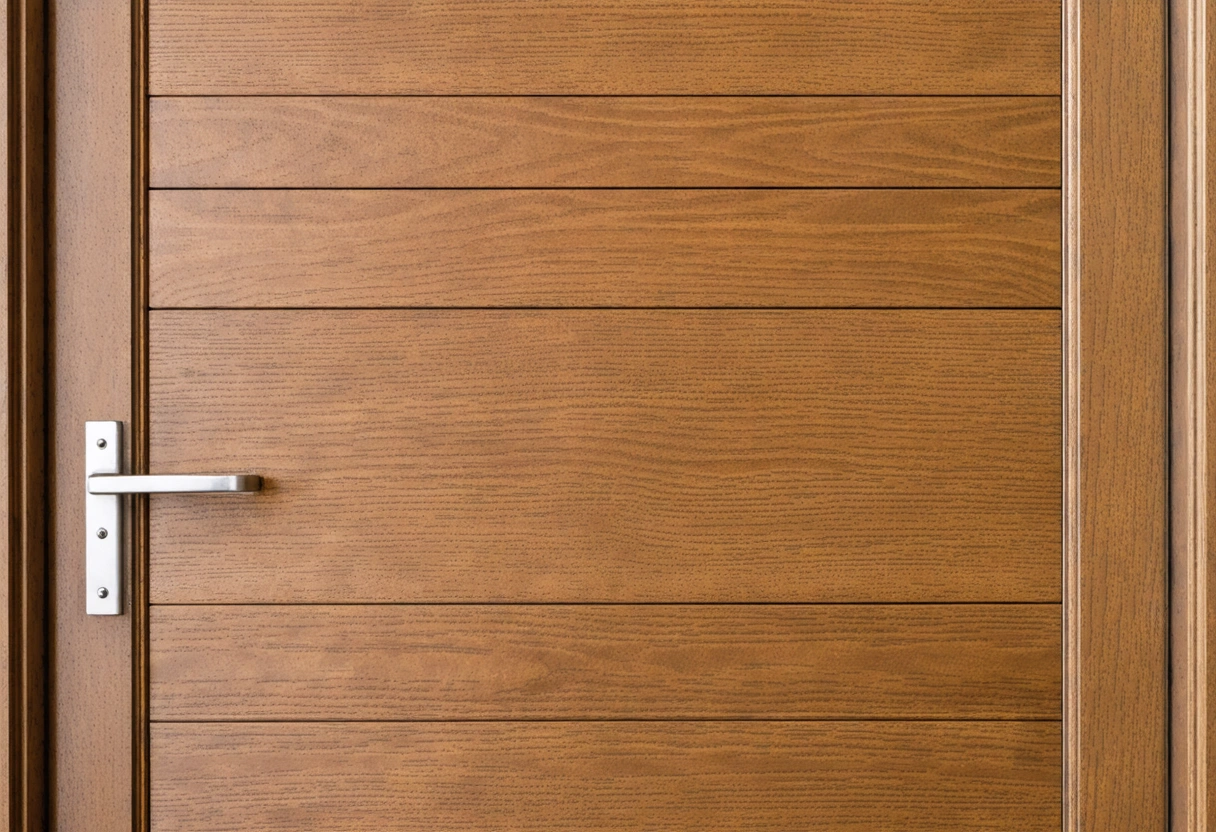
Some homeowners are drawn to wood doors for traditional or luxury aesthetics, but wood can be challenging in coastal climates. Moisture, sun exposure, and temperature changes can cause expansion, contraction, finish breakdown, and rot if maintenance is neglected. If a wood look is desired, many homeowners choose fiberglass with realistic grain patterns for a similar appearance with greater resilience.
Glass, Sidelites, and Decorative Features Without Sacrificing Safety
Many coastal homeowners want an entry door that brings in natural light and enhances the personality of the home. Impact-rated glass inserts, sidelites, and transoms make this possible while maintaining required storm protection. The key is ensuring every glass component is part of an approved impact-rated system.
Impact glass typically uses laminated construction, meaning a durable interlayer helps hold glass fragments together if the pane is struck. This helps preserve the barrier even after impact. Decorative patterns, privacy textures, grids, and tinted options may be available, but each option should be verified for the needed rating and product approval.
Balancing Privacy, Light, and Heat
Florida sunlight is beautiful, but it can also increase indoor heat and fade furnishings. Homeowners should consider glass size, orientation, tint, low-E coatings, and privacy level. A full-lite door facing direct afternoon sun may look impressive, but without the right glass package it can add glare and heat to the entry area.
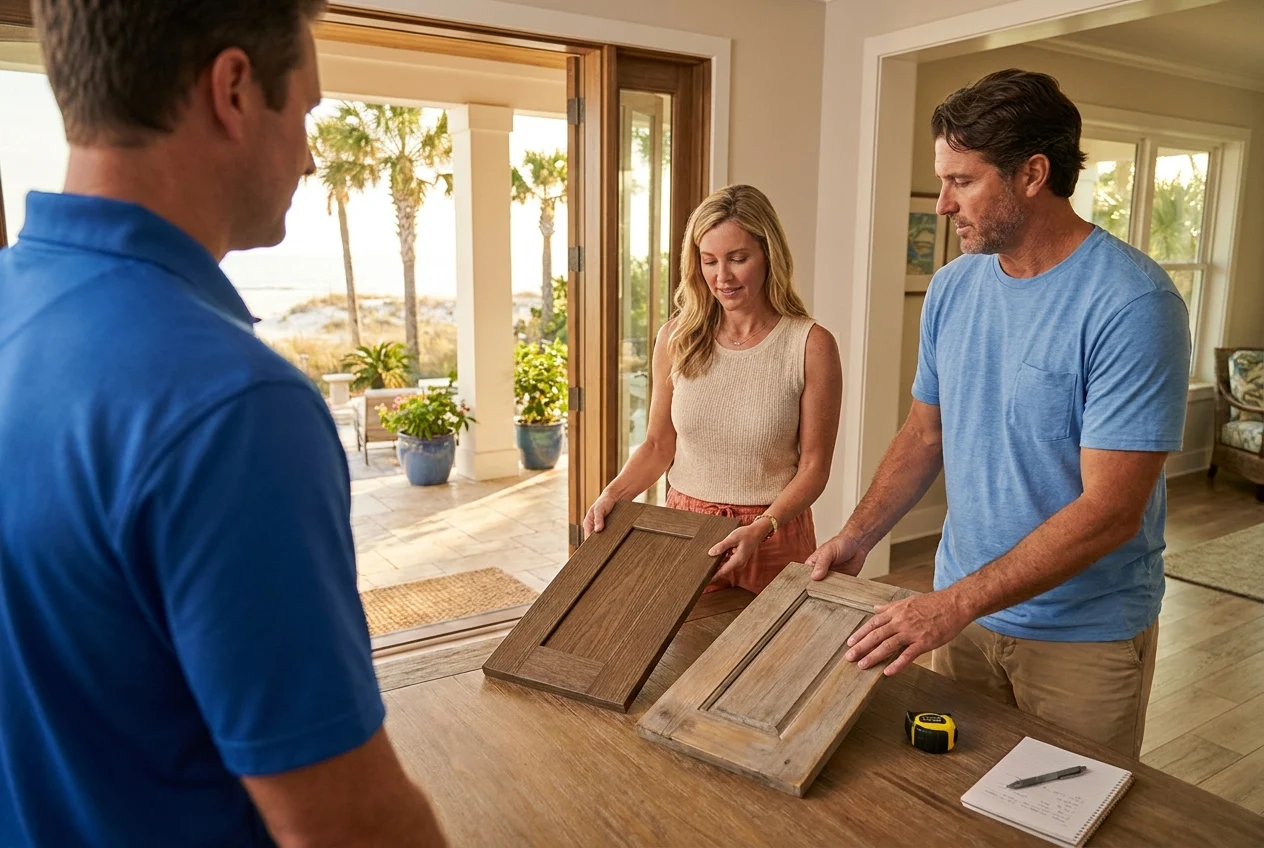
Sidelites and transoms should be chosen with the same care as the main door slab. A strong door paired with non-impact sidelites creates a weak point in the opening.
The Critical Role of Professional Installation
Even the best impact-rated door can fail to perform as intended if installation is poor. Coastal door installation services require careful attention to anchoring, shimming, squaring, flashing, sealing, threshold support, and hardware alignment.
Impact doors are tested as systems, and the installation must follow the approved instructions. This includes using the correct fastener type, size, spacing, embedment depth, and location.
Water Management Around the Opening
In coastal Florida, keeping water out is just as important as resisting wind. Proper sill pan preparation, flashing, sealant selection, and drainage details help prevent water intrusion beneath and around the door.
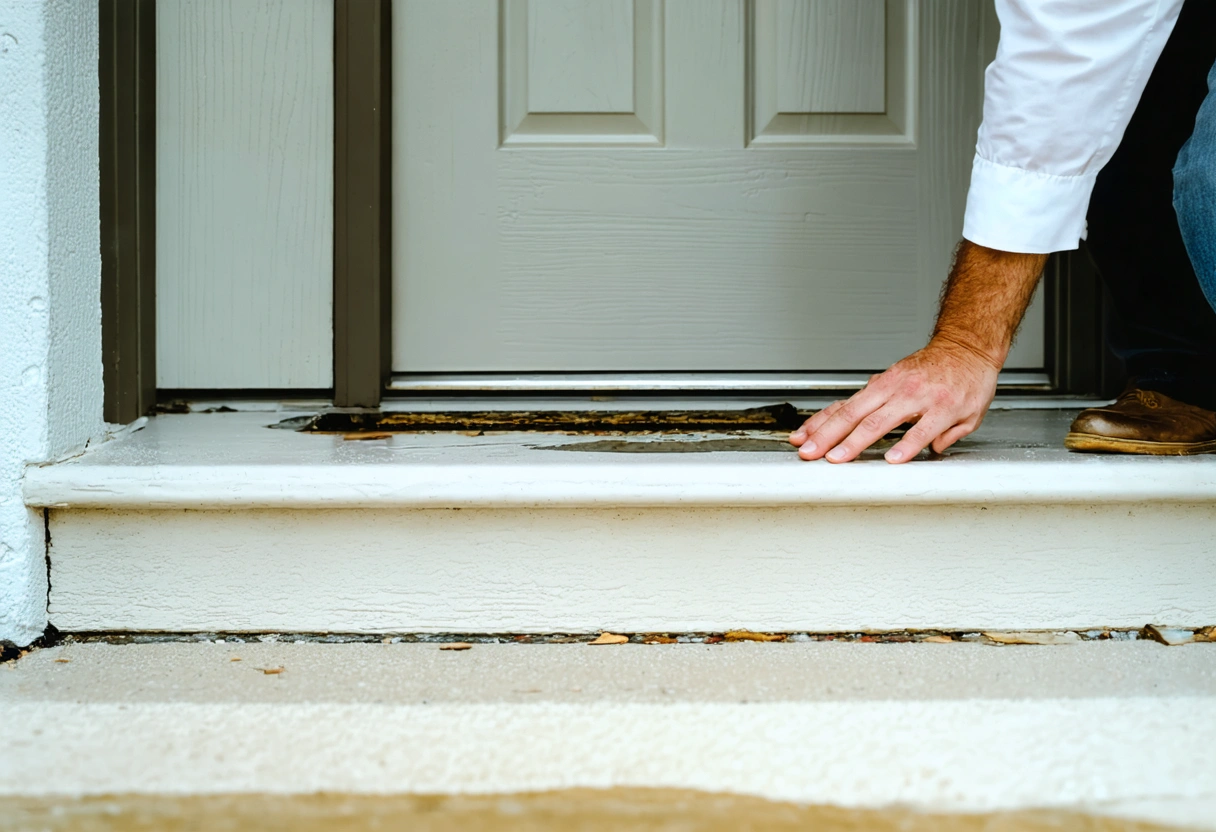
Thresholds must be level, supported, and sealed correctly. Weatherstripping should make consistent contact without making the door difficult to operate. A door that must be slammed to latch or that shows daylight around the frame is not performing properly and should be adjusted before it becomes a bigger problem.
Hardware, Hinges, Locks, and Corrosion Resistance
Door hardware is often selected for style, but in Sarasota and Charlotte Counties it must also withstand coastal conditions. Locksets, deadbolts, hinges, strike plates, screws, and multipoint locking systems should be compatible with the rated door assembly and suited for humid, salt-exposed air.
Stainless steel, high-grade brass, and quality coated hardware are common choices for coastal homes. However, not all finishes perform equally well near saltwater. A beautiful handle set that is not rated for coastal exposure may show pitting or finish breakdown faster than expected, particularly on uncovered entries.
Security and Storm Performance Work Together
Many impact-rated entry doors include reinforced lock areas, heavy-duty hinges, and stronger frames. These features can improve everyday security as well as storm performance. Multipoint locking systems may help distribute pressure along the frame, creating a tighter seal and more secure closure.
Homeowners should make sure any upgraded hardware remains compatible with the door’s approval. Changing locks, hinges, glass inserts, or other components without regard to the tested assembly can affect performance.
Maintenance Planning for Long-Term Door Performance
An impact-rated door is a long-term investment, but it still needs routine care. Coastal maintenance should include rinsing salt residue from exterior surfaces, cleaning hardware, inspecting sealants, checking weatherstripping, and looking for finish damage.
Homeowners should inspect the door after major storms and at least
Need help with Choosing the Right Impact-Rated Entry Door for Coastal Homes in Sarasota and Charlotte Counties?